Showing posts with label Lotus Temple. Show all posts

Lotus Temple in Delhi: A Guide to India's Majestic Baháʼí House of Worship

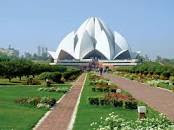
Nestled in the heart of New Delhi, the Lotus Temple stands as an iconic symbol of peace, unity, and spirituality. Known as a Baháʼí House of Worship, this stunning architectural masterpiece is a must-visit for anyone traveling to Delhi. Its unique lotus-shaped design and tranquil ambiance attract millions of visitors each year, making it one of the most remarkable spiritual landmarks in India.


In this guide, we will explore the significance of the Lotus Temple, its architectural wonders, and why it deserves a spot on your Delhi itinerary.


Key Features and Attractions of the Lotus Temple

1. Architectural Beauty

The Lotus Temple is known for its distinctive lotus flower shape, which consists of 27 white marble petals arranged in clusters to form nine sides. The design is inspired by the lotus flower, a symbol of purity, enlightenment, and rebirth. The temple's design combines modern architecture with spiritual symbolism, making it one of the most photographed monuments in Delhi.

Tip: Don't forget your camera as the temple is surrounded by beautiful gardens, which add to its serene environment.

2. Spiritual Hub

As a Baháʼí House of Worship, the Lotus Temple welcomes people from all religions and backgrounds to come together in prayer, meditation, and reflection. There are no rituals or ceremonies here, and the temple is open to all who seek inner peace. The central prayer hall is vast, peaceful, and designed to enhance the experience of spiritual contemplation.

3. Surrounded by Tranquil Gardens

The temple is set amidst lush, well-maintained gardens, providing a serene environment for visitors. The carefully planned gardens and ponds enhance the peaceful atmosphere of the Lotus Temple and offer a perfect setting for a quiet walk or meditation. These gardens are a true reflection of the harmony and unity promoted by the Baháʼí faith.

4. The Importance of the Lotus Temple in the Baháʼí Faith

The Baháʼí Faith emphasizes the oneness of humanity and promotes unity, peace, and harmony across different religions and cultures. The Lotus Temple serves as a global symbol of these ideals, offering a place for people to reflect on spiritual matters and seek a connection with the divine. It holds no specific religious rituals, but instead focuses on universal prayers that can be shared by people of all beliefs.

5. Educational and Cultural Programs

Apart from offering a place for prayer and reflection, the Lotus Temple also hosts various educational and cultural programs to spread the message of the Baháʼí teachings. Visitors can learn more about the Baháʼí Faith through literature available at the temple or attend informational sessions.


Best Time to Visit the Lotus Temple

The best time to visit the Lotus Temple is during the early morning or late afternoon when the weather is more comfortable and the temple is less crowded. Weekdays tend to be quieter than weekends, allowing for a more peaceful visit. Summer months in Delhi can be extremely hot, so it's advisable to plan your visit during the winter months (October to March) when the weather is cooler and more pleasant.


How to Reach the Lotus Temple

The Lotus Temple is located in Kalkaji, South Delhi. It is easily accessible from various parts of the city. You can reach the temple by:

  • Metro: The nearest metro station is Kalkaji Mandir Metro Station (on the Violet Line), which is just a short walk from the temple.

  • Auto-rickshaw/Cabs: You can also take an auto-rickshaw or cab from nearby locations in Delhi.

  • Bus: Several buses pass near the temple, with a bus stop located close by.


Top FAQs about the Lotus Temple

1. Is the Lotus Temple free to visit?

Yes, visiting the Lotus Temple is free of charge. There is no entry fee for tourists or locals.

2. What is the best time to visit the Lotus Temple?

The best time to visit the Lotus Temple is in the early morning or late afternoon, especially during the winter months (October to March) when the weather is pleasant.

3. What is the significance of the Lotus Temple in India?

The Lotus Temple symbolizes the unity of all religions. It is an important spiritual landmark that promotes peace, meditation, and harmony among people of different faiths.

4. Can I pray or meditate at the Lotus Temple?

Yes, the Lotus Temple is open to all who wish to meditate, pray, or reflect in a peaceful environment. Visitors from any religious background are welcome to experience its tranquility.

5. Is there a dress code for visiting the Lotus Temple?

There is no strict dress code, but visitors are requested to dress modestly. Shorts and sleeveless clothes are not recommended.


Conclusion

The Lotus Temple in New Delhi is a true masterpiece of modern architecture and a symbol of peace, unity, and spirituality. Whether you are interested in its stunning design, seeking a quiet place for reflection, or learning about the Baháʼí Faith, this temple offers something for everyone. Its welcoming atmosphere and tranquil surroundings make it one of the most unique and peaceful attractions in Delhi.

If you're planning a visit to Delhi, don't miss the chance to experience the beauty and serenity of the Lotus Temple—a true gem in the heart of India’s bustling capital.

Delhi Sightseeing: Top Places to Visit in India's Historic Capital

Delhi, the vibrant capital of India, is a treasure trove of historical monuments, cultural experiences, and bustling markets. For any India travel enthusiast, Delhi sightseeing is an absolute must. This ultimate guide will take you through the top places to visit in Delhi, ensuring an unforgettable journey through the heart of India. From iconic landmarks to spiritual havens and vibrant marketplaces, discover the must-see attractions in Delhi that make it a premier tourist destination in India.

Historical Grandeur:

Red Fort: A Historical Icon


The Red Fort, also known as Lal Qila, is an architectural marvel that was the residence of Mughal emperors for over 200 years. Built by Shah Jahan in the 17th century, the fort is now a UNESCO World Heritage site. Its intricate red sandstone architecture, museums, and historical significance make it a must-see destination for anyone visiting Delhi.

Humayun’s Tomb: A Mughal Masterpiece


Humayun’s Tomb is one of Delhi’s most stunning architectural treasures. Built in 1569, it is the first garden-tomb in India and a precursor to the Taj Mahal. Surrounded by lush gardens, it offers visitors a peaceful retreat while marveling at the grandeur of Mughal architecture.

Qutab Minar: A Towering Wonder


The Qutab Minar, a towering minaret and another UNESCO World Heritage Site, showcases Indo-Islamic architecture. Marvel at its intricate carvings and historical importance, a key popular place in Delhi.

Purana Quila (Old Fort): A Glimpse into the Past


Purana Quila (Old Fort) is believed to be the site of Indraprastha from the Mahabharata, this ancient fort offers a glimpse into Delhi's long history.

Lodhi Garden: An Oasis of Tranquility


Lodhi Garden is a tranquil oasis amidst the city, housing tombs of Sayyid and Lodhi rulers, perfect for a peaceful stroll and appreciating historical architecture.

Safdarjung Tomb, Delhi: Late Mughal Splendor


Safdarjung Tomb, Delhi, is an impressive late Mughal-era tomb with intricate carvings and beautiful gardens.

Jama Masjid: A Grand Mosque


Jama Masjid is one of the largest mosques in India, with stunning Mughal architecture and a vast courtyard. Experience the grandeur and spiritual atmosphere of this iconic Delhi attraction.

Gurdwara Bangla Sahib: A Sikh Sanctuary


Gurdwara Bangla Sahib is a prominent Sikh gurdwara known for its beautiful sarovar (holy tank) and its historical significance. Witness the community kitchen (langar) and experience Sikh hospitality.

Shri Laxmi Narayan Temple (Birla Mandir): A Modern Temple


Shri Laxmi Narayan Temple (Birla Mandir) is a significant Hindu temple dedicated to Lakshmi and Vishnu, showcasing modern Indian temple architecture.

Dargah Hazrat Nizamuddin Aulia: A Sufi Shrine


Dargah Hazrat Nizamuddin Aulia is the shrine of a revered Sufi saint, attracting devotees of all faiths. Experience the spiritual music (Qawwali) and the vibrant atmosphere.

Lotus Temple: An Architectural Marvel


The Lotus Temple is an architectural marvel in the shape of a lotus flower, open to people of all religions for prayer and meditation. A unique and serene must-see attraction in Delhi.

Akshardham: A Cultural Extravaganza


Akshardham is a sprawling complex showcasing traditional Hindu culture, spirituality, and architecture. A relatively modern yet significant popular place in Delhi.

Dilli Haat - INA: A Cultural Marketplace


Dilli Haat - INA is a vibrant open-air market offering handicrafts, food, and cultural performances from various Indian states. A fantastic place to experience India's diversity.

National Museum, New Delhi: A Treasure Trove of History


The National Museum, New Delhi, is home to a vast collection of artifacts covering Indian history, art, and culture. A great place to delve deeper into India's heritage.

National Rail Museum: A Journey Through Railway History


The National Rail Museum is a unique museum showcasing the history of Indian railways through a fascinating collection of locomotives and railway artifacts.

India Gate: A National Symbol


India Gate is a war memorial and a prominent landmark in Delhi, surrounded by gardens and a popular gathering place. A must-see attraction in Delhi symbolizing national pride.

Rajghat Memorial: A Tribute to the Father of the Nation


Rajghat Memorial is the final resting place of Mahatma Gandhi, a serene and significant site commemorating the Father of the Nation.

Rashtrapati Bhavan: The Presidential Residence

Rashtrapati Bhavan is the official residence of the President of India, an impressive architectural masterpiece (viewing from the outside with prior permission).

Jantar Mantar: An Astronomical Wonder


Jantar Mantar is an astronomical observatory built in the 18th century, showcasing fascinating scientific instruments. A unique historical and scientific place to visit in Delhi.

Top FAQs:

  1. What are the must-see attractions in Delhi? Red Fort, Qutab Minar, Humayun's Tomb, Lotus Temple, India Gate, and Jama Masjid are highly recommended.
  2. How many days are sufficient for Delhi sightseeing? 3-4 days are ideal to cover the major attractions comfortably.
  3. What is the best time to visit Delhi for sightseeing? October to March offers pleasant weather for exploring.
  4. What are some popular historical places in Delhi? Red Fort, Humayun's Tomb, Qutab Minar, Purana Quila, and Lodhi Garden.
  5. Are there any free tourist attractions in Delhi? India Gate, Lodhi Garden, Jama Masjid courtyard (small fee for entry to the minarets), and the outer areas of many monuments.
  6. What are some cultural experiences to enjoy in Delhi? Visiting Dilli Haat, exploring Chandni Chowk, and experiencing Qawwali at Dargah Hazrat Nizamuddin Aulia.
  7. How can I travel around Delhi for sightseeing? Delhi has a well-connected metro system, auto-rickshaws, taxis, and buses.

Conclusion:

Delhi, as the heart of India, offers a captivating blend of history, spirituality, and vibrant culture. This guide to Delhi sightseeing highlights the top places to visit, from majestic historical monuments like the Red Fort and Humayun's Tomb to serene spiritual sites like the Lotus Temple and Jama Masjid, and bustling cultural hubs like Dilli Haat. Whether you are a history buff, a spiritual seeker, or a cultural explorer, Delhi promises an enriching and unforgettable experience. Make sure to include these must-see attractions in Delhi in your India travel itinerary to truly discover the essence of this incredible city.

Lotus Temple Delhi: Ultimate Guide to India's Iconic Landmark

The Lotus Temple in Delhi, India, stands as a breathtaking testament to modern architecture and a beacon of peace and unity. This iconic tourist destination attracts millions of visitors each year, drawn to its unique lotus flower-like structure and serene atmosphere. If you're planning your India travel, the Lotus Temple is an absolute must-see Delhi tourist place. Our ultimate guide provides you with everything you need to know for an unforgettable visit to this remarkable Indian landmark.


Architectural Brilliance: The Lotus Design

The Lotus Temple's architecture is its most striking feature. Designed by Iranian architect Fariborz Sahba, the temple's 27 free-standing marble-clad "petals" are arranged in clusters of three to form the shape of a lotus flower, a symbol of purity and love in many cultures. This stunning design has earned the Lotus Temple international acclaim and makes it a truly unique tourist attraction in Delhi.

A Baháʼí House of Worship: Promoting Unity

The Lotus Temple is a Baháʼí House of Worship, open to people of all religions and backgrounds for prayer and meditation. The Baháʼí Faith emphasizes the oneness of God, the unity of religions, and the oneness of humankind. This message of peace and unity resonates deeply with visitors, creating a tranquil and spiritual ambiance within the temple's central hall.


Experiencing the Serenity: Inside the Temple

Upon entering the Lotus Temple's central prayer hall, visitors are enveloped in a sense of profound silence and tranquility. The hall is devoid of idols, religious symbols, or pulpits, in line with the Baháʼí principle of the equality of all faiths. This open and inclusive space encourages personal reflection and connection, making it a truly unique spiritual destination in India.

Planning Your Visit: Timings, Entry Fee, and More

Planning your trip to the Lotus Temple is straightforward. Here's what you need to know for your Delhi sightseeing itinerary:

  • Timings: The temple is generally open from 8:00 AM to 5:00 PM (check the official website for seasonal variations).
  • Entry Fee: There is no entry fee to visit the Lotus Temple, making it an accessible free tourist attraction in Delhi.
  • Photography: Photography is permitted in the outer areas but is usually restricted inside the prayer hall to maintain the serene atmosphere.
  • Dress Code: Visitors are requested to dress modestly as a sign of respect.
  • Location: The Lotus Temple is located in Bahapur, Kalkaji, South Delhi, and is easily accessible by metro (Kalkaji Mandir station is the nearest).

Nearby Attractions: Exploring More of Delhi

While visiting the Lotus Temple, consider exploring other popular tourist places in Delhi located nearby, such as the ISKCON Temple, Humayun's Tomb, and Qutub Minar, to make the most of your India tour.

Top FAQs:

  1. Where is the Lotus Temple located in India? It is located in Bahapur, Kalkaji, South Delhi, India.
  2. Is there an entry fee to visit the Lotus Temple? No, entry to the Lotus Temple is free for all visitors.
  3. What are the opening and closing timings of the Lotus Temple? Generally 8:00 AM to 5:00 PM (please verify on the official website).
  4. Can I take pictures inside the Lotus Temple? Photography is usually restricted inside the central prayer hall.
  5. What is the Lotus Temple known for? Its unique lotus flower-shaped architecture and its role as a Baháʼí House of Worship promoting unity.
  6. Is the Lotus Temple a religious site for a specific religion? It is a Baháʼí House of Worship open to people of all faiths for prayer and meditation.
  7. How can I reach the Lotus Temple in Delhi? The nearest metro station is Kalkaji Mandir on the Violet and Magenta lines.

Conclusion:

A visit to the Lotus Temple in Delhi offers a unique blend of architectural grandeur and spiritual serenity. This iconic Indian landmark stands as a symbol of unity and peace, welcoming visitors from all walks of life. As you plan your India travel, be sure to include the Lotus Temple in your Delhi sightseeing itinerary for an unforgettable and enriching experience. Its breathtaking design and tranquil atmosphere will undoubtedly leave a lasting impression, making it a highlight of your exploration of unforgettable tourist destinations in India.

Top Tourist Destinations in Delhi: A Complete Guide to Must-See Attractions

India’s capital, Delhi, is not just the political heart of the country but also a treasure trove of cultural and historical wonders. Whether you’re a history enthusiast, architecture lover, or simply someone looking to explore the vibrant mix of old and new, Delhi offers an array of attractions that will captivate any traveler. The city boasts numerous UNESCO World Heritage Sites and offers a glimpse into the rich history and vibrant culture of India. In this ultimate guide, we’ll take you through some of the top tourist destinations in Delhi that you can’t afford to miss.

1. The Red Fort: A Symbol of Mughal Sovereignty


The Red Fort, also known as Lal Qila, is one of the most iconic landmarks in Delhi. Built in 1648 by Emperor Shah Jahan, the fort served as the residence of Mughal emperors until 1857. This majestic structure, made of red sandstone, stands as a symbol of Mughal architecture and power. The fort’s intricate architecture and historical significance draw thousands of visitors each year, making it a must-visit on any Delhi itinerary. Don’t miss the chance to explore its museums, pavilions, and the impressive Diwan-i-Aam (Hall of Public Audience).

2. Qutub Minar: A Tower of Heritage


Standing tall at 73 meters, the Qutub Minar is the tallest brick minaret in the world. Built in the 12th century, it is a UNESCO World Heritage Site and one of Delhi's most celebrated monuments. The tower is an exquisite example of early Islamic architecture, featuring intricate carvings and inscriptions. Visitors can also enjoy panoramic views of the surrounding complex, including the Quwwat-ul-Islam Mosque and the Iron Pillar, which has remained rust-free for over 1,500 years.

3. Humayun’s Tomb: A Masterpiece of Mughal Architecture


Humayun's Tomb is a UNESCO World Heritage Site and the first garden-tomb in the Indian subcontinent. This magnificent tomb, located in the Nizamuddin East area, was built in 1569 by Humayun's widow, Empress Bega Begum. The tomb's architectural style served as the inspiration for the Taj Mahal, making it a significant historical site. Surrounded by beautiful gardens, the peaceful and serene atmosphere makes it a perfect place to unwind while exploring the beauty of Mughal architecture.

4. India Gate: A War Memorial


A visit to Delhi wouldn’t be complete without stopping by India Gate, a war memorial dedicated to Indian soldiers who died during World War I. This imposing structure stands in the heart of Delhi and is especially striking at night when it is beautifully lit. It’s a popular gathering spot for locals and tourists alike, offering a place to relax and enjoy the scenic beauty around it.

5. Lotus Temple: A Unique Baháʼí House of Worship


The Lotus Temple is one of the most stunning architectural feats in Delhi. Known for its lotus flower-shaped design, this Baháʼí House of Worship is a serene place where people of all religions come to pray and meditate. The temple’s unique structure, surrounded by lush gardens, makes it a visual masterpiece and a peaceful escape from the bustle of the city.

6. Jama Masjid: A Magnificent Mosque


Jama Masjid, located in the heart of Old Delhi, is one of the largest mosques in India. Built by the Mughal Emperor Shah Jahan in the 17th century, the mosque is an architectural marvel with grand domes and towering minarets. Visitors can explore the mosque’s expansive courtyards and climb the minaret for a panoramic view of the surrounding area. It’s a place of tranquility amidst the chaotic streets of Delhi.

7. Akshardham Temple: A Modern Hindu Temple


The Akshardham Temple, also known as the Swaminarayan Akshardham Temple, is one of the largest Hindu temples in India. Built in 2005, this temple combines traditional architecture with modern technology. Visitors can enjoy the temple’s exhibitions, a boat ride showcasing India's cultural heritage, and the beautifully landscaped gardens. It’s a must-visit for those seeking a blend of spirituality and modern entertainment.

8. Chandni Chowk: The Heart of Old Delhi


Chandni Chowk is one of the oldest and busiest markets in Delhi, offering a unique glimpse into the city's historic charm. Known for its narrow lanes, vibrant street food, and bustling atmosphere, it’s a place where you can experience the true essence of Delhi. Don’t forget to try some delicious street food, shop for local handicrafts, and visit the famous Paranthe Wali Gali for an authentic culinary experience.


Top FAQs About Tourist Destinations in Delhi

1. What is the best time to visit Delhi?
The best time to visit Delhi is during the winter months, from October to March, when the weather is cool and pleasant.

2. How can I reach the Red Fort?
The Red Fort is well-connected by public transport. You can take the metro to Chandni Chowk or Red Fort Metro Station, or opt for a cab or auto-rickshaw.

3. Are the attractions in Delhi accessible for people with disabilities?
Most major tourist attractions, including the Red Fort and Qutub Minar, offer basic accessibility features. However, it’s advisable to check with individual sites for specific services.

4. Can I visit the Taj Mahal from Delhi in one day?
Yes, the Taj Mahal in Agra is around 3 hours away from Delhi by car or train, making it possible to take a day trip.

5. What should I wear when visiting religious sites in Delhi?
It’s recommended to dress modestly when visiting religious sites like Jama Masjid and Akshardham Temple. For men, long pants and shirts are appropriate; for women, covering the shoulders and wearing long skirts or pants is advisable.


Conclusion:

Delhi is a city that beautifully blends ancient history with modern vibrancy. From the majestic Red Fort to the serene Humayun’s Tomb, the architectural wonders of Delhi are a testament to the grandeur of India’s past. Whether you’re exploring the iconic landmarks or soaking in the lively atmosphere of Chandni Chowk, Delhi promises an unforgettable travel experience. Plan your trip to these top tourist destinations and discover the magic of India’s capital!

About Delhi Tourism And Tourist Attractions

About Delhi Tourism And Tourist Attractions 
Delhi Tourism, a government undertaking facilitating tourism since 1975 will take you to a guided tour of the Delhi through this website which explores the wonders of this city be it its heritage, the art and crafts, the diverse cuisine and culture.

A symbol of the country’s rich past and thriving present, Delhi is a city where ancient and modern blend seamlessly together. It is a place that not only touches your pulse but even fastens it to a frenetic speed. Home to millions of dreams, the city takes on unprecedented responsibilities of realizing dreams bringing people closer and inspiring their thoughts.

Just a century ago, the British moved the seat of their empire from Kolkata to Delhi. And it has been the Capital of India ever since. Now a thriving, cosmopolitan metro, the city has much to celebrate as it has already reached the milestone of completing 100 years as a Capital. With a history that goes back many centuries, Delhi showcases an ancient culture and a rapidly modernising country. Dotted with monuments there is much to discover here. The seat of many powerful empires in the past, its long history can be traced in its many carefully-preserved monuments, ancient forts and tombs.

All this is combined with the best features of a modern city such as a metro system, bustling markets and fabulous eating places. The past and the present meld seamlessly together, making centuries-old monuments a part of the city’s daily life. Delhi is very much a history’s child. The story of the city is as old as the epic Mahabharata, when the town was known as Indraprastha, where Pandavas used to live. Over the centuries, eight more cities came alive adjacent to Indraprastha: Lal Kot, Siri, Dinpanah, Quila Rai Pithora, Ferozabad, Jahanpanah, Tughlakabad and Shahjahanabad. Many empires rose to the heights of their power and were destroyed here. Among the prominent dynasties which made Delhi their capital were the Tughlaqs, the Khiljis and the Mughals.

Even today, one can have a fascinating glimpse into the past in Old Delhi, with its labyrinth of narrow lanes, old havelis, and colourful bazaars. Rickshaws wind their way through this crowded, bustling capital of the Mughals, where life continues, much as it did hundreds of years ago. It is home to three World Heritage monuments—Qutub Minar, Red Fort and Humayun’s Tomb that have survived many centuries, and give an idea of architectural wonders created by emperors in the past. Central Delhi, with its tree-lined avenues, imposing structures and buildings such as the Rashtrapati Bhavan, Parliament House and India Gate, reflect Delhi’s colonial past. A number of museums provide a glimpse into the country’s fascinating history.

But the modern Delhi has a lot more to offer. Delhi has a modern, well-planned and extensive Metro network that connects all corners of Delhi; this network is still growing. New roadways and flyovershave improved connectivity, the latest of which is the Signature Bridge, an ambitious project of Delhi Tourism, which is under construction at Wazirabad – it promises to be a landmark.

New malls and entertainment centres jostle for space with a growing number of brand new hospitals, residential complexes, and sporting facilities. Delhi is now a dream destination for those seeking expert medical attention and superior OPD and IPD facilities. Thanks to the advent of the Commonwealth Games, there are world-class stadia like the revamped Nehru Stadium that can be accessed by one and all, throughout the year. All of this has been developed and sustained while maintaining Delhi’s green cover, a unique feature that distinguishes this truly global metropolis from other cities in the world where the tree line is subdued by skyscrapers.

Besides the Metro, which connects all of Delhi’s landmarks to the city centre as well as most suburbs, the new, a fun way to explore Delhi is by booking a HOHO bus tour. Hop on- Hop off buses, better known as HO – HOs, have been introduced by Delhi Tourism for visitors who wish to tour the city in a single day. With so many transport options, visitors now have the ability to go wherever they want – and there are a lot of places to see and a lot of things to do here. There are the age old-yet-perfectly preserved, sprawling heritage complexes featuring architecture from the Mughal and Tughlaq periods.

The revamped Indira Gandhi International airport, now Terminal 3, provides visitors with their first experience of a modern, world-class city which is keeping pace with the best in the world. Terminal 3, from where international and many domestic carriers operate, has facilities which are on par with the world’s most modern airports. The Airport Metro Express, which takes one to the rail station in the heart of the city, in just 17 minutes, provides easy connectivity for visitors. Whether you are travelling to Old Delhi, to Connaught Place or to Dilli Haat, the metro provides an easy way of getting around the city. The numerous flyovers, wide roads and bus and auto services also ensure that it is easy to explore the city.

New additions to the city, such as Akshardham Temple and also the Lotus Temple are also great places to visit and give an idea of its multi-faceted culture. Delhi is also gaining recognition as a cultural destination. Delhi Tourism’s major festivals—namely, the International Kite Festival, Magic Festival, Itra and Sugandhi Mela, Mango Festival, Dilli ke Pakwaan, and Garden Tourism Festival are becoming an integral part of Delhi’s cultural heritage.

No visit to Delhi is complete without an experience of its famed specialties such as its delicious curries, barbecued tikkas and kebabs. It is also a shoppers’ haven, whether you want to pick up some rich, woven silks, handicrafts, or ethnic cushions for your home. For cuisine of different Indian states and an array of Indian art and craft there are three Dilli Haats in Delhi at INA, Pitampura and the brand new Dilli Haat at Janakpuri.

It is time to celebrate this city which is a symbol of the country’s rich past and thriving present. As a Capital city it is fittingly a window to the country. So come and look out of the window and discover a whole new city of numerous stories and experiences.

Tourist Places and Major Atractions in Delhi

Akshardham Temple
Azad Hind Gram
Lotus Temple
Birla Mandir
Dilli Haat INA
Dilli Haat Pitampura
Dilli Haat Janakpuri
Garden of Five Senses
Humayun's Tomb
India Gate
Iskcon Temple
Jama Masjid
Jantar Mantar
Lodi Tomb
Parliament House
Purana Quila
Qutab Minar
Rashtrapathi Bhavan
Red Fort
Safdarjang Tomb
Gurudawra Bangla Sahib
Guru Tegh Bahadur Memoria

India Gate
The BRITISH BUILT New Delhi,1911 and 1931, to be the showcase of the Emire. on Independence,this grand imperial capital the official and bureaucratic centre of the nation.
   
Lotus Tample
Jaipur offers a chance to see the medieval along side the modern.On its colourful streets camels jostle for space with motorbikes, and turbaned village elders rub shoulders with youngsters in blue jeans.

Chandani chowk
Just behind it is the Mahatma Chandni Chowk Gandhi Park, which was called Begum Bagh in Mughal Further down, and commanding the end of this charming quarter,

Red Fort
RED SANDSTONE BAITIENIENIN give his imperial citadel its name, Red Fort (Lai QiIa). Commissioned by Shah Jahan in 1639, it took nine years to build and was the seat of Mughal power until 1857.

Jantar Mantar
SANGSI JAI SINGH II ONE Jaipur built this observatory in 1724 when commissioned by the then Mughal emperor Muhammad Shah.

Humayun's Tomb
HUMAYUN the second Mughal emperor is buries in this tomb, the first great example of a Mughat garden mb and inspirations for several later monuments, such as the incomparable Taj Mahal.
Read more

Popular Posts