Showing posts with label Delhi Tourism. Show all posts

Delhi Tourism Guide: Must-See Monuments, Nearby Places, Markets & Cultural Gems

Delhi, India’s bustling capital, is a city of stunning contrasts where ancient heritage meets modern vibrancy. Known as one of the world’s oldest continuously inhabited cities, Delhi has roots tracing back to the Mahabharata era when it was called Indraprastha, home of the legendary Pandavas. Today, Delhi offers travelers a unique blend of historical marvels, spiritual sanctuaries, mouth-watering cuisine, bustling markets, and thriving arts scenes.

Iconic Historical Attractions in Delhi

Delhi’s skyline is dotted with magnificent UNESCO World Heritage Sites that narrate tales of empires past. The Red Fort, built by Emperor Shah Jahan, is an architectural masterpiece showcasing Mughal grandeur. Don’t miss its famous evening sound and light show, “Jai Hind,” which vividly recounts its history.

The soaring Qutub Minar, a 12th-century red sandstone tower, and Humayun’s Tomb, the serene 16th-century garden mausoleum, are other must-visit sites representing Delhi’s rich Islamic heritage and Mughal artistry.

Also, pay respects at the India Gate, a tribute to Indian soldiers, and explore the innovative astronomical instruments at Jantar Mantar.

Hidden Gems and Offbeat Attractions

For those looking to explore beyond the usual, Delhi has plenty to offer. Visit the ancient Agrasen Ki Baoli stepwell, wander through Mehrauli Archaeological Park, or uncover the haunting tales of Bhuli Bhatiyari ka Mahal.

Poetry lovers can step into Mirza Ghalib Ki Haveli, while history buffs can roam the historic lanes of old Delhi.

Spiritual Havens in Delhi

Delhi’s spiritual diversity shines through its magnificent temples, mosques, and gurudwaras. Experience the tranquility of Akshardham Temple, the soulful qawwali performances at Nizamuddin Dargah, and the architectural grandeur of Jama Masjid.

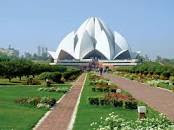
Don’t miss the peaceful ambiance at the Lotus Temple, the oldest Sri Digambar Jain Lal Temple, or the welcoming Gurudwara Bangla Sahib with its community kitchen.

Nearby Places & Attractions Worth Exploring

1. Agra (Approx. 230 km, 3-4 hours drive)
No visit to Delhi is complete without a trip to Agra, home to the world-famous Taj Mahal, a UNESCO World Heritage site and one of the New Seven Wonders of the World. Also explore Agra Fort and the charming city bazaars.

2. Jaipur (Approx. 280 km, 5-6 hours drive)
Known as the Pink City, Jaipur offers majestic palaces like the Hawa Mahal, Amber Fort, and City Palace. It’s part of the famous Golden Triangle tourist circuit along with Delhi and Agra.

3. Mathura & Vrindavan (Approx. 150 km, 3 hours drive)
These twin cities are significant pilgrimage sites for followers of Lord Krishna, featuring vibrant temples and spiritual festivals.

4. Neemrana (Approx. 120 km, 2.5 hours drive)
Visit the spectacular Neemrana Fort Palace, a heritage hotel with stunning views and a rich history, perfect for a day trip or overnight stay.

5. Sultanpur National Park (Approx. 50 km, 1.5 hours drive)
Ideal for nature lovers and bird watchers, this wildlife sanctuary offers a peaceful escape from city life with migratory birds and natural trails.

Food Lover’s Paradise

Delhi is a paradise for food enthusiasts. From lip-smacking street food like chaats, gol gappe, butter chicken, and kebabs to trendy cafes and international cuisine, Delhi caters to every palate.

Explore the bustling food markets of Chandni Chowk, experience global flavors at Connaught Place, and discover chic eateries in Khan Market and Hauz Khas Village.

Shop Till You Drop

Delhi offers an eclectic shopping experience. Whether in sprawling malls or vibrant bazaars like Sarojini Nagar, Lajpat Nagar, and Chandni Chowk, you can find everything from fashion and jewelry to handicrafts and spices. Don’t forget to visit Dilli Haat for authentic regional crafts and Khari Baoli, Asia’s largest spice market.

Museums, Nature, and Arts

Art lovers can visit cultural hubs such as Mandi House and the National Gallery of Modern Art, while history buffs can delve into the National Museum and quirky museums like the Sulabh International Museum of Toilets.

Take a break from the city buzz at green retreats like Lodhi Garden, Sunder Nursery, and Garden of Five Senses or explore wildlife at Asola Bhatti Sanctuary.

Getting Around and Best Time to Visit

Navigate Delhi via the efficient Delhi Metro or enjoy heritage walks and cycle rickshaw rides through narrow lanes. The best time to visit is between October and March when the weather is pleasant for sightseeing and outdoor activities.


Top FAQs About Delhi Tourism

Q1: What are the top tourist attractions in Delhi?
A1: Red Fort, Qutub Minar, Humayun’s Tomb, India Gate, Jama Masjid, and Akshardham Temple are top must-visit places.

Q2: When is the best time to visit Delhi?
A2: October to March offers the most comfortable weather for exploring the city.

Q3: What is famous about Delhi street food?
A3: Delhi is famous for chaats, gol gappe, butter chicken, kebabs, and many more diverse delicacies.

Q4: How can I travel within Delhi?
A4: Delhi Metro, cycle rickshaws, taxis, and auto-rickshaws are popular and convenient modes of transport.

Q5: Are there spiritual places to visit in Delhi?
A5: Yes, Delhi has Akshardham Temple, Nizamuddin Dargah, Lotus Temple, Jama Masjid, and Gurudwara Bangla Sahib, among others.


Conclusion

Delhi is a city that beautifully blends history, culture, spirituality, and modernity into an unforgettable travel experience. Whether you’re exploring ancient forts, indulging in delicious street food, shopping in lively markets, or soaking in spiritual vibes, Delhi promises memories that last a lifetime. Plan your visit to this dynamic metropolis and uncover the diverse layers of India’s capital city.

Discover Delhi’s Iconic Historical Marvels: Red Fort & Qutub Minar

Delhi, India’s vibrant capital, is a treasure trove of history and culture. Among its countless attractions, the Red Fort and Qutub Minar stand out as two of the most iconic and must-visit historical landmarks. These UNESCO World Heritage Sites offer a glimpse into India’s rich Mughal heritage, architecture, and history, making them essential destinations on any traveler’s itinerary.


Red Fort: The Symbol of India’s Mughal Glory

Constructed in the 17th century by Emperor Shah Jahan, the Red Fort (Lal Qila) is a majestic fortress that once served as the main residence of the Mughal emperors. Known for its impressive red sandstone walls, the fort showcases exquisite Mughal architecture blended with Persian, Timurid, and Indian styles. Visitors can explore the Diwan-i-Am (Hall of Public Audience), Diwan-i-Khas (Hall of Private Audience), and beautiful gardens, while also witnessing the evening sound and light show that narrates the fort’s history.

Read more about Agra – Taj Mahal


Qutub Minar: India’s Tallest Brick Minaret

Another architectural marvel in Delhi is the Qutub Minar, a 73-meter tall minaret built in 1193 by Qutb-ud-din Aibak. This towering structure is famed for its intricate carvings, verses from the Quran, and Indo-Islamic architectural style. The Qutub complex also includes the Iron Pillar of Delhi, known for its rust-resistant composition, and several ancient ruins. The site is a must-visit for history buffs and architecture enthusiasts alike.

Read more about Qutub Minar – Delhi


Top FAQs About Red Fort & Qutub Minar

Q1: What are the visiting hours for Red Fort and Qutub Minar?
Red Fort is open from 9:30 AM to 4:30 PM daily, and Qutub Minar is open from sunrise to sunset.

Q2: Is photography allowed inside these monuments?
Photography is allowed but commercial photography requires permission.

Q3: How to reach Red Fort and Qutub Minar in Delhi?
Both sites are accessible via Delhi Metro and local transport. Red Fort is near Chandni Chowk Metro station; Qutub Minar is near Qutub Minar Metro station.

Q4: Are there entry fees?
Yes, there is a nominal entry fee for Indian citizens and a higher fee for foreign tourists.


Conclusion

Delhi’s Red Fort and Qutub Minar are not just historical sites but timeless symbols of India’s glorious past. They offer visitors a chance to experience the grandeur of Mughal architecture and ancient craftsmanship firsthand. Whether you are a history lover, a cultural enthusiast, or a curious traveler, these landmarks promise an unforgettable journey into India’s heritage.

Red Fort Delhi Travel Guide: History, Timings, Entry Fee & Attractions

The Red Fort in Delhi (Lal Qila) is more than just a historical monument—it's a powerful symbol of India’s past glory, struggle for freedom, and rich cultural legacy. Built in the 17th century by Mughal Emperor Shah Jahan, this UNESCO World Heritage Site attracts thousands of travelers, history buffs, and architecture lovers from around the world. If you're planning your next historical getaway, this Red Fort Delhi travel guide is all you need to explore one of the top tourist destinations in India.


πŸ—Ί️ Location and How to Reach Red Fort

  • Location: Netaji Subhash Marg, Chandni Chowk, Old Delhi

  • Nearest Metro Station: Chandni Chowk (Approx. 10 minutes away)

  • From Airport: Around 30–35 minutes by cab or auto

You can reach Red Fort easily via metro, auto-rickshaws, buses, or taxis. The area is well-connected from all parts of Delhi.


πŸ›️ History of the Red Fort

Constructed in 1638–1648 AD, Red Fort served as the residence of Mughal emperors and the political center of Shah Jahan’s new capital, Shahjahanabad. Designed by Ustad Ahmad Lahori, the architect of the Taj Mahal, the fort was originally known as Qila-i-Mubarak (Blessed Fort).

The fort has witnessed the rise and fall of empires—from the mighty Mughals to the Marathas, the Sikhs, and finally the British. Post-independence, it became the place where the Prime Minister of India hoists the national flag every Independence Day.


🌟 Key Attractions Inside Red Fort

πŸ•Œ Diwan-i-Aam (Hall of Public Audience)

Where the emperor addressed the general public and held court sessions.

🌺 Hayat Bakhsh Bagh (Life-Bestowing Garden)

A beautifully landscaped Mughal garden symbolizing paradise on Earth.

πŸ›️ Diwan-i-Khas (Hall of Private Audience)

An ornate chamber where the emperor met dignitaries and special guests.

πŸšͺ Lahore Gate

The iconic gate from where the Prime Minister delivers the Independence Day speech.

πŸ•Œ Moti Masjid (Pearl Mosque)

A charming white marble mosque built by Aurangzeb for private prayers.

🏯 Zenana Quarters

Women’s quarters located in the southern pavilions of the palace.

🏰 Delhi Gate

The southern gate for public entry into the fort complex.

πŸ›️ Chatta Chowk Bazaar

A vaulted arcade selling traditional souvenirs and crafts—perfect for shopaholics.


🎟️ Red Fort Visitor Information

  • Timings: Sunrise to Sunset (Closed on Mondays)

  • Entry Fee:

    • ₹10 for Indian Nationals

    • ₹250 for Foreign Nationals

    • ₹25 extra for video cameras

  • Best Time to Visit: October to March (Pleasant winter season)


πŸŽ† Evening Sound & Light Show

Don’t miss the sound and light show that narrates the history of the Mughals and the Red Fort in a captivating way. The dramatic visuals, voiceovers, and music make the fort come alive with stories from the past.


πŸŽ–️ Significance of Red Fort Today

Red Fort is more than a historical site—it is a living symbol of India’s sovereignty. Managed by the Archaeological Survey of India, it hosts the Independence Day celebrations, features museums like the Indian War Memorial Museum, and is an architectural treasure chest of Indo-Islamic and Mughal design.


❓Top FAQs About Red Fort Delhi

Q1: Why is Red Fort famous?
Red Fort is famous for its historical significance, Mughal architecture, and as the site of India’s annual Independence Day celebration.

Q2: Who built the Red Fort and when?
The fort was built by Mughal Emperor Shah Jahan between 1638 and 1648 AD.

Q3: What is the entry fee for Red Fort?
₹10 for Indian citizens and ₹250 for foreign tourists. ₹25 extra is charged for video recording.

Q4: What are the main attractions inside Red Fort?
Diwan-i-Aam, Diwan-i-Khas, Hayat Bakhsh Bagh, Moti Masjid, Zenana, and the sound & light show.

Q5: When is the best time to visit Red Fort?
Visit between October and March to enjoy pleasant weather.


πŸ“Œ Conclusion

If you're looking to explore Delhi’s historical essence, Red Fort should top your list. It’s more than just a monument—it’s a symbol of India's rich heritage and freedom. Walk through its sprawling gardens, admire its majestic halls, and relive the legacy of the Mughal era. From educational trips to photography tours, Red Fort offers something unforgettable for everyone.

[Interested in knowing more about the top 10 forts in India]

Lotus Temple in Delhi: A Guide to India's Majestic BahΓ‘ΚΌΓ­ House of Worship

Nestled in the heart of New Delhi, the Lotus Temple stands as an iconic symbol of peace, unity, and spirituality. Known as a BahΓ‘ΚΌΓ­ House of Worship, this stunning architectural masterpiece is a must-visit for anyone traveling to Delhi. Its unique lotus-shaped design and tranquil ambiance attract millions of visitors each year, making it one of the most remarkable spiritual landmarks in India.


In this guide, we will explore the significance of the Lotus Temple, its architectural wonders, and why it deserves a spot on your Delhi itinerary.


Key Features and Attractions of the Lotus Temple

1. Architectural Beauty

The Lotus Temple is known for its distinctive lotus flower shape, which consists of 27 white marble petals arranged in clusters to form nine sides. The design is inspired by the lotus flower, a symbol of purity, enlightenment, and rebirth. The temple's design combines modern architecture with spiritual symbolism, making it one of the most photographed monuments in Delhi.

Tip: Don't forget your camera as the temple is surrounded by beautiful gardens, which add to its serene environment.

2. Spiritual Hub

As a BahΓ‘ΚΌΓ­ House of Worship, the Lotus Temple welcomes people from all religions and backgrounds to come together in prayer, meditation, and reflection. There are no rituals or ceremonies here, and the temple is open to all who seek inner peace. The central prayer hall is vast, peaceful, and designed to enhance the experience of spiritual contemplation.

3. Surrounded by Tranquil Gardens

The temple is set amidst lush, well-maintained gardens, providing a serene environment for visitors. The carefully planned gardens and ponds enhance the peaceful atmosphere of the Lotus Temple and offer a perfect setting for a quiet walk or meditation. These gardens are a true reflection of the harmony and unity promoted by the BahΓ‘ΚΌΓ­ faith.

4. The Importance of the Lotus Temple in the BahΓ‘ΚΌΓ­ Faith

The BahΓ‘ΚΌΓ­ Faith emphasizes the oneness of humanity and promotes unity, peace, and harmony across different religions and cultures. The Lotus Temple serves as a global symbol of these ideals, offering a place for people to reflect on spiritual matters and seek a connection with the divine. It holds no specific religious rituals, but instead focuses on universal prayers that can be shared by people of all beliefs.

5. Educational and Cultural Programs

Apart from offering a place for prayer and reflection, the Lotus Temple also hosts various educational and cultural programs to spread the message of the BahΓ‘ΚΌΓ­ teachings. Visitors can learn more about the BahΓ‘ΚΌΓ­ Faith through literature available at the temple or attend informational sessions.


Best Time to Visit the Lotus Temple

The best time to visit the Lotus Temple is during the early morning or late afternoon when the weather is more comfortable and the temple is less crowded. Weekdays tend to be quieter than weekends, allowing for a more peaceful visit. Summer months in Delhi can be extremely hot, so it's advisable to plan your visit during the winter months (October to March) when the weather is cooler and more pleasant.


How to Reach the Lotus Temple

The Lotus Temple is located in Kalkaji, South Delhi. It is easily accessible from various parts of the city. You can reach the temple by:

  • Metro: The nearest metro station is Kalkaji Mandir Metro Station (on the Violet Line), which is just a short walk from the temple.

  • Auto-rickshaw/Cabs: You can also take an auto-rickshaw or cab from nearby locations in Delhi.

  • Bus: Several buses pass near the temple, with a bus stop located close by.


Top FAQs about the Lotus Temple

1. Is the Lotus Temple free to visit?

Yes, visiting the Lotus Temple is free of charge. There is no entry fee for tourists or locals.

2. What is the best time to visit the Lotus Temple?

The best time to visit the Lotus Temple is in the early morning or late afternoon, especially during the winter months (October to March) when the weather is pleasant.

3. What is the significance of the Lotus Temple in India?

The Lotus Temple symbolizes the unity of all religions. It is an important spiritual landmark that promotes peace, meditation, and harmony among people of different faiths.

4. Can I pray or meditate at the Lotus Temple?

Yes, the Lotus Temple is open to all who wish to meditate, pray, or reflect in a peaceful environment. Visitors from any religious background are welcome to experience its tranquility.

5. Is there a dress code for visiting the Lotus Temple?

There is no strict dress code, but visitors are requested to dress modestly. Shorts and sleeveless clothes are not recommended.


Conclusion

The Lotus Temple in New Delhi is a true masterpiece of modern architecture and a symbol of peace, unity, and spirituality. Whether you are interested in its stunning design, seeking a quiet place for reflection, or learning about the BahΓ‘ΚΌΓ­ Faith, this temple offers something for everyone. Its welcoming atmosphere and tranquil surroundings make it one of the most unique and peaceful attractions in Delhi.

If you're planning a visit to Delhi, don't miss the chance to experience the beauty and serenity of the Lotus Temple—a true gem in the heart of India’s bustling capital.

Jantar Mantar Delhi: Exploring India's Ancient Observatory

For those seeking unique and historical tourist destinations in India, the Jantar Mantar in Delhi stands as a fascinating testament to India's scientific heritage. This intriguing complex of astronomical instruments, built in the 18th century by Maharaja Jai Singh II of Jaipur, offers a captivating glimpse into ancient Indian astronomy. If you're planning your Delhi sightseeing, the Jantar Mantar is a must-see attraction in Delhi for history buffs, science enthusiasts, and anyone curious about India's rich past. Our ultimate guide will help you explore the wonders of this remarkable Indian landmark.


A Step Back in Time: The History of Jantar Mantar

The Jantar Mantar in Delhi is one of five astronomical observatories built by Maharaja Jai Singh II. The others are located in Jaipur, Ujjain, Varanasi, and Mathura. The Delhi observatory was constructed in 1724 and was designed to study celestial movements and calculate time. Its name, Jantar Mantar, literally translates to "instruments for calculating the harmonies of the planets." This historical significance makes it a key popular place in Delhi.

Architectural Precision: The Instruments

The Jantar Mantar's architecture is as impressive as its purpose. The observatory houses several unique and large-scale instruments, each designed for specific astronomical observations:

  • Samrat Yantra: The largest instrument, a massive sundial used to calculate time with remarkable accuracy.
  • Jai Prakash Yantra: A hollowed-out hemisphere with markings to map celestial bodies.
  • Mishra Yantra: A combination of five instruments designed to determine the time of noon in different cities.
  • Ram Yantra: A cylindrical structure used to measure the altitude and azimuth of celestial bodies.

Exploring these instruments offers a tangible connection to the advanced astronomical knowledge of 18th-century India, making it a truly unique tourist attraction in Delhi.


Experiencing the Wonder: Your Visit to Jantar Mantar

Visiting the Jantar Mantar is a fascinating experience. While the instruments might seem abstract at first, understanding their purpose and scale offers a sense of awe. Guided tours are often available and highly recommended to fully grasp the significance of each instrument. The site provides a peaceful contrast to the bustling city, allowing for contemplation of India's scientific past. It's an essential addition to any Delhi tourism itinerary.

Planning Your Visit: Timings, Entry Fee, and More

Here's what you need to know to plan your visit to this unique Delhi tourist place:

  • Timings: Generally open from 9:00 AM to 6:00 PM daily (check the official website for any changes).
  • Entry Fee: There is a nominal entry fee for Indian citizens and foreign nationals.
  • Photography: Photography is permitted.
  • Location: Located in Connaught Place, the heart of New Delhi, making it easily accessible by metro (Rajiv Chowk station is the nearest).

Nearby Attractions: Exploring Central Delhi

The Jantar Mantar's central location makes it convenient to visit other popular places in Delhi nearby, such as Connaught Place itself, India Gate, and the National Museum.

Top FAQs:

  1. What is Jantar Mantar in Delhi? It is an 18th-century astronomical observatory built by Maharaja Jai Singh II.
  2. Where is Jantar Mantar located in Delhi? It is situated in Connaught Place, New Delhi.
  3. What are the opening hours of Jantar Mantar? Generally 9:00 AM to 6:00 PM daily (verify on the official website).
  4. Is there an entry fee for Jantar Mantar? Yes, there is a nominal fee for both Indian and foreign visitors.
  5. What are some of the main instruments at Jantar Mantar? Samrat Yantra (sun dial), Jai Prakash Yantra, Mishra Yantra, and Ram Yantra.
  6. Why was Jantar Mantar built? To study celestial movements, calculate time, and advance astronomical knowledge.
  7. Is a guided tour recommended at Jantar Mantar? Yes, a guided tour can greatly enhance your understanding of the instruments and their functions.

Conclusion:

The Jantar Mantar in Delhi offers a unique and enriching experience for travelers interested in history, science, and the wonders of ancient Indian intellect. This remarkable Indian landmark stands as a testament to the advanced astronomical knowledge of its time. As you plan your Delhi sightseeing, make sure to include a visit to the Jantar Mantar to witness firsthand the architectural precision and scientific significance of this fascinating tourist destination. It's a journey back in time and a chance to marvel at the ingenuity of India's past, making it a truly unforgettable stop on your exploration of India.

Lotus Temple Delhi: Ultimate Guide to India's Iconic Landmark

The Lotus Temple in Delhi, India, stands as a breathtaking testament to modern architecture and a beacon of peace and unity. This iconic tourist destination attracts millions of visitors each year, drawn to its unique lotus flower-like structure and serene atmosphere. If you're planning your India travel, the Lotus Temple is an absolute must-see Delhi tourist place. Our ultimate guide provides you with everything you need to know for an unforgettable visit to this remarkable Indian landmark.


Architectural Brilliance: The Lotus Design

The Lotus Temple's architecture is its most striking feature. Designed by Iranian architect Fariborz Sahba, the temple's 27 free-standing marble-clad "petals" are arranged in clusters of three to form the shape of a lotus flower, a symbol of purity and love in many cultures. This stunning design has earned the Lotus Temple international acclaim and makes it a truly unique tourist attraction in Delhi.

A BahΓ‘ΚΌΓ­ House of Worship: Promoting Unity

The Lotus Temple is a BahΓ‘ΚΌΓ­ House of Worship, open to people of all religions and backgrounds for prayer and meditation. The BahΓ‘ΚΌΓ­ Faith emphasizes the oneness of God, the unity of religions, and the oneness of humankind. This message of peace and unity resonates deeply with visitors, creating a tranquil and spiritual ambiance within the temple's central hall.


Experiencing the Serenity: Inside the Temple

Upon entering the Lotus Temple's central prayer hall, visitors are enveloped in a sense of profound silence and tranquility. The hall is devoid of idols, religious symbols, or pulpits, in line with the BahΓ‘ΚΌΓ­ principle of the equality of all faiths. This open and inclusive space encourages personal reflection and connection, making it a truly unique spiritual destination in India.

Planning Your Visit: Timings, Entry Fee, and More

Planning your trip to the Lotus Temple is straightforward. Here's what you need to know for your Delhi sightseeing itinerary:

  • Timings: The temple is generally open from 8:00 AM to 5:00 PM (check the official website for seasonal variations).
  • Entry Fee: There is no entry fee to visit the Lotus Temple, making it an accessible free tourist attraction in Delhi.
  • Photography: Photography is permitted in the outer areas but is usually restricted inside the prayer hall to maintain the serene atmosphere.
  • Dress Code: Visitors are requested to dress modestly as a sign of respect.
  • Location: The Lotus Temple is located in Bahapur, Kalkaji, South Delhi, and is easily accessible by metro (Kalkaji Mandir station is the nearest).

Nearby Attractions: Exploring More of Delhi

While visiting the Lotus Temple, consider exploring other popular tourist places in Delhi located nearby, such as the ISKCON Temple, Humayun's Tomb, and Qutub Minar, to make the most of your India tour.

Top FAQs:

  1. Where is the Lotus Temple located in India? It is located in Bahapur, Kalkaji, South Delhi, India.
  2. Is there an entry fee to visit the Lotus Temple? No, entry to the Lotus Temple is free for all visitors.
  3. What are the opening and closing timings of the Lotus Temple? Generally 8:00 AM to 5:00 PM (please verify on the official website).
  4. Can I take pictures inside the Lotus Temple? Photography is usually restricted inside the central prayer hall.
  5. What is the Lotus Temple known for? Its unique lotus flower-shaped architecture and its role as a BahΓ‘ΚΌΓ­ House of Worship promoting unity.
  6. Is the Lotus Temple a religious site for a specific religion? It is a BahΓ‘ΚΌΓ­ House of Worship open to people of all faiths for prayer and meditation.
  7. How can I reach the Lotus Temple in Delhi? The nearest metro station is Kalkaji Mandir on the Violet and Magenta lines.

Conclusion:

A visit to the Lotus Temple in Delhi offers a unique blend of architectural grandeur and spiritual serenity. This iconic Indian landmark stands as a symbol of unity and peace, welcoming visitors from all walks of life. As you plan your India travel, be sure to include the Lotus Temple in your Delhi sightseeing itinerary for an unforgettable and enriching experience. Its breathtaking design and tranquil atmosphere will undoubtedly leave a lasting impression, making it a highlight of your exploration of unforgettable tourist destinations in India.

Best Tourist Attractions in Delhi: The Ultimate Tourist Destination in India

Delhi: A Blend of Tradition, Culture, and Modernity

Delhi, the capital city of India, is a vibrant and dynamic metropolis that is a perfect blend of rich history, culture, and modern-day wonders. It is a city that attracts tourists from around the world with its diverse experiences, ranging from ancient monuments to contemporary shopping malls, from bustling markets to serene parks. Whether you're a history buff, a culture enthusiast, or a food lover, Delhi has something special for everyone.

Here are some of the top tourist places in Delhi that you cannot miss:

1. Red Fort: A Glimpse into India’s Majestic Past

The Red Fort, a UNESCO World Heritage site, is one of the most iconic landmarks of Delhi. Built in the 17th century by Mughal Emperor Shah Jahan, this grand fort offers a glimpse into India's imperial past. The magnificent red sandstone structure houses several museums, gardens, and historic sites that speak volumes about the Mughal era. The light and sound show in the evening is a must-experience.

2. Qutub Minar: The Tallest Brick Structure in the World

Another UNESCO World Heritage site, the Qutub Minar, stands tall as the world's tallest brick minaret. The Qutub Minar is an architectural marvel, with intricate carvings and inscriptions. It was built by Qutb-ud-din Aibak in the 12th century and is surrounded by ruins of ancient structures, making it a fascinating place to visit for history enthusiasts.

3. India Gate: A Tribute to the Fallen Heroes

India Gate is a national monument dedicated to the soldiers of the Indian Army who lost their lives during World War I. The towering gate, located at the heart of the city, is a symbol of national pride and is especially beautiful when lit up at night. The surrounding lawns are perfect for an evening stroll or a picnic.

4. Humayun’s Tomb: A Mughal Masterpiece

Humayun's Tomb, the tomb of the Mughal Emperor Humayun, is another stunning example of Mughal architecture in Delhi. It was the first garden tomb to be built in India and served as an inspiration for the construction of the Taj Mahal. The well-maintained gardens, fountains, and stunning architecture make it a peaceful and beautiful spot for visitors.

5. Lotus Temple: A Symbol of Peace and Unity

The Lotus Temple is one of the most unique structures in Delhi, shaped like a lotus flower. It is a BahΓ‘'Γ­ House of Worship and welcomes visitors of all religions to pray and meditate in its serene atmosphere. The architecture and landscaping around the temple are breathtaking, and the temple’s peaceful ambiance makes it a must-visit for those seeking tranquility.

6. Jama Masjid: One of the Largest Mosques in India

Jama Masjid, built by Mughal Emperor Shah Jahan, is one of the largest and most impressive mosques in India. With its towering minarets, massive courtyard, and stunning architecture, it’s a sight to behold. Visitors can climb the minarets for a panoramic view of Old Delhi.

7. Akshardham Temple: A Modern Architectural Wonder

Akshardham Temple is one of the most recent additions to Delhi’s list of must-see places. This modern temple is known for its stunning architecture, grand central dome, intricate carvings, and a large water show that tells the story of India’s rich culture and traditions. The temple's grandeur and serenity are awe-inspiring.

8. Chandni Chowk: The Heart of Old Delhi

Chandni Chowk is a bustling, vibrant market that offers a taste of Old Delhi. The narrow lanes are filled with shops selling everything from traditional Indian clothing to spices, jewelry, and sweets. It’s the best place to experience Delhi’s rich history, culture, and mouthwatering street food.

9. Lodi Gardens: A Peaceful Retreat

Lodi Gardens is a perfect blend of nature and history. The park, which houses tombs of the Lodi rulers, is a peaceful retreat away from the hustle and bustle of the city. It’s a great place for a morning jog, picnic, or simply to relax and enjoy the lush greenery.

10. Dilli Haat: A Craft and Food Lover’s Paradise

Dilli Haat is an open-air market where you can experience the vibrant culture of India. It showcases crafts, handlooms, and traditional items from different parts of the country. It’s also a great place to sample authentic Indian food from various regional cuisines.

Conclusion:

Delhi is a melting pot of history, culture, and modernity. Its blend of iconic historical monuments, beautiful gardens, temples, and buzzing markets makes it an unforgettable destination. Whether you are here for a short visit or a longer stay, Delhi offers something for every traveler.


Top FAQs About Delhi Tourism

1. What is the best time to visit Delhi? The best time to visit Delhi is during the cooler months, between October and March, when the weather is pleasant and ideal for sightseeing.

2. How can I travel around Delhi? Delhi has an extensive public transportation system, including the Delhi Metro, buses, and auto-rickshaws. You can also hire taxis or use ride-sharing apps like Uber and Ola.

3. Are there any free tourist spots in Delhi? Yes, many tourist spots in Delhi are free, including India Gate, Lodi Gardens, and the Lotus Temple.

4. How many days should I spend in Delhi? It is recommended to spend at least 3 to 4 days in Delhi to explore the major tourist attractions comfortably.

5. Is Delhi safe for tourists? Delhi is generally safe for tourists, but it’s always best to stay cautious, especially in crowded places. Keep your valuables secure and avoid traveling late at night in less crowded areas.

Explore Delhi: The Ultimate Travel Guide to India’s Capital City

Delhi, the capital city of India, is a dynamic fusion of rich history, vibrant culture, and modern energy. With centuries-old monuments, sprawling markets, world-class shopping malls, and a burgeoning food scene, Delhi is a city that never sleeps and offers something for every type of traveler. From its majestic historical sites to its bustling streets, Delhi is a must-visit destination for anyone exploring India.

In this guide, we’ll take you through everything you need to know about Delhi, from its top attractions and cultural highlights to the best places to eat and shop. Whether you’re a history buff, a food lover, or a shopaholic, Delhi promises an unforgettable experience.


Introduction to Delhi

Located in the northern part of India, Delhi is not only the capital of the country but also one of the most historically significant cities in India. Known for its unique blend of old-world charm and modernity, Delhi is home to ancient ruins, grand palaces, colonial-era architecture, and modern skyscrapers.

The city is divided into two parts: Old Delhi, which is steeped in history and culture, and New Delhi, the capital city that reflects modern India with its wide roads, diplomatic buildings, and shopping centers. Whether you're strolling through the winding lanes of Chandni Chowk or admiring the grandeur of India Gate, Delhi offers a diverse range of experiences that will captivate any traveler.


Top Attractions in Delhi

1. Red Fort

The Red Fort, a UNESCO World Heritage Site, is one of Delhi’s most iconic landmarks. Built by Emperor Shah Jahan in the 17th century, the fort is an architectural masterpiece showcasing Mughal grandeur. The Lahori Gate and the Diwan-i-Aam are just a few of the awe-inspiring sections of this historical site. Don’t miss the nightly sound and light show, which brings the fort’s history to life.

2. India Gate

An essential part of Delhi's skyline, India Gate is a war memorial dedicated to Indian soldiers who died during World War I. The grand structure is set amidst lush lawns, making it a popular spot for evening picnics and boat rides. It’s a great place to witness the blend of Delhi’s heritage and modern-day activity.

3. Qutub Minar

The Qutub Minar, another UNESCO World Heritage Site, is the tallest brick minaret in the world. Standing at a height of 72 meters, it was built in the early 13th century. The monument is a symbol of India’s rich history and Islamic architecture, and its surroundings, including the Iron Pillar of Delhi, are equally mesmerizing.

4. Humayun’s Tomb

One of the finest examples of Mughal architecture, Humayun’s Tomb is the tomb of Emperor Humayun and a precursor to the Taj Mahal in terms of design. The tomb is surrounded by beautiful gardens, making it a peaceful spot for visitors to reflect on the grandeur of the Mughal Empire.

5. Lotus Temple

Known for its unique lotus-shaped design, the Lotus Temple is an architectural marvel and one of the most visited places of worship in the world. It belongs to the BahΓ‘’Γ­ Faith and welcomes people of all religions to meditate in its serene, peaceful atmosphere.

6. Jama Masjid

The Jama Masjid, one of the largest mosques in India, is a stunning example of Mughal architecture. Located in Old Delhi, it offers a glimpse into the city’s religious history. Visitors can also climb the southern minaret for a panoramic view of the old city.


Things to Do in Delhi

1. Take a Rickshaw Ride in Chandni Chowk

To experience the old-world charm of Delhi, take a rickshaw ride through the narrow lanes of Chandni Chowk, one of the oldest and busiest markets in the city. This area is a sensory overload with its bustling crowd, aromatic street food, and vibrant bazaars selling everything from textiles to jewelry.

2. Explore Delhi’s Street Food Scene

Delhi is renowned for its street food, and no visit is complete without indulging in local delicacies. Try the famous chole bhature, parathas, golgappas, and jalebis from the streets of Old Delhi. You can also visit popular food markets like Karol Bagh and Connaught Place for more culinary delights.

3. Visit the National Museum

For history enthusiasts, the National Museum is a treasure trove of India’s rich cultural heritage. With over 200,000 artifacts on display, it covers everything from ancient sculptures and paintings to medieval armor and colonial-era artifacts.

4. Shop at Dilli Haat

If you’re looking to take home souvenirs, head to Dilli Haat, a vibrant open-air market offering handicrafts, clothing, and food from all over India. It’s a great place to shop for unique items and experience India’s cultural diversity in one spot.

5. Go for a Walk at Lodi Gardens

For a more relaxed experience, visit Lodi Gardens, a beautiful park that is home to the tombs of 15th-century rulers. This green space is perfect for a peaceful stroll, a picnic, or even a morning jog.


Best Time to Visit Delhi

The best time to visit Delhi is during the cooler months, from October to March. During this time, the weather is pleasant, making it ideal for sightseeing and outdoor activities. The summer months (April to June) can be extremely hot, with temperatures often exceeding 40°C (104°F), while the monsoon season (July to September) brings heavy rains.


Top FAQs About Delhi

1. How do I get around Delhi? Delhi has an efficient Metro system, which is a great way to travel around the city. You can also use auto-rickshaws, cabs, and ride-sharing services like Uber and Ola to navigate the city. For short distances, rickshaws are a fun and affordable option.

2. What are the must-see places in Delhi? Some of the must-see attractions in Delhi include Red Fort, India Gate, Qutub Minar, Humayun’s Tomb, and the Lotus Temple. Don’t miss out on exploring Chandni Chowk and Dilli Haat for a taste of Delhi’s culture.

3. Is Delhi safe for tourists? Delhi is generally safe for tourists, but it’s important to take the usual precautions. Always be aware of your surroundings, especially in crowded areas. It’s advisable to dress modestly and avoid isolated areas after dark.

4. What is the food like in Delhi? Delhi’s food scene is diverse, with street food stalls serving everything from spicy snacks to rich Mughlai dishes. Some famous dishes to try are chole bhature, parathas, biryani, and kachoris. There are also numerous fine dining restaurants offering international cuisines.

5. What should I pack for a trip to Delhi? Depending on the season, pack accordingly. During the cooler months, you’ll need light woolens or jackets, while in summer, light and breathable clothing is a must. Don't forget comfortable shoes for walking and a good sunscreen.


Conclusion

Delhi is a city that offers a fascinating mix of history, culture, and modernity. Whether you're exploring ancient monuments, enjoying delicious street food, or shopping in bustling markets, Delhi has something to offer every traveler. With its rich heritage and modern vibrancy, Delhi truly stands out as a city that reflects the essence of India. So, pack your bags and get ready to explore this vibrant capital city!

About Delhi Tourism And Tourist Attractions

About Delhi Tourism And Tourist Attractions 
Delhi Tourism, a government undertaking facilitating tourism since 1975 will take you to a guided tour of the Delhi through this website which explores the wonders of this city be it its heritage, the art and crafts, the diverse cuisine and culture.

A symbol of the country’s rich past and thriving present, Delhi is a city where ancient and modern blend seamlessly together. It is a place that not only touches your pulse but even fastens it to a frenetic speed. Home to millions of dreams, the city takes on unprecedented responsibilities of realizing dreams bringing people closer and inspiring their thoughts.

Just a century ago, the British moved the seat of their empire from Kolkata to Delhi. And it has been the Capital of India ever since. Now a thriving, cosmopolitan metro, the city has much to celebrate as it has already reached the milestone of completing 100 years as a Capital. With a history that goes back many centuries, Delhi showcases an ancient culture and a rapidly modernising country. Dotted with monuments there is much to discover here. The seat of many powerful empires in the past, its long history can be traced in its many carefully-preserved monuments, ancient forts and tombs.

All this is combined with the best features of a modern city such as a metro system, bustling markets and fabulous eating places. The past and the present meld seamlessly together, making centuries-old monuments a part of the city’s daily life. Delhi is very much a history’s child. The story of the city is as old as the epic Mahabharata, when the town was known as Indraprastha, where Pandavas used to live. Over the centuries, eight more cities came alive adjacent to Indraprastha: Lal Kot, Siri, Dinpanah, Quila Rai Pithora, Ferozabad, Jahanpanah, Tughlakabad and Shahjahanabad. Many empires rose to the heights of their power and were destroyed here. Among the prominent dynasties which made Delhi their capital were the Tughlaqs, the Khiljis and the Mughals.

Even today, one can have a fascinating glimpse into the past in Old Delhi, with its labyrinth of narrow lanes, old havelis, and colourful bazaars. Rickshaws wind their way through this crowded, bustling capital of the Mughals, where life continues, much as it did hundreds of years ago. It is home to three World Heritage monuments—Qutub Minar, Red Fort and Humayun’s Tomb that have survived many centuries, and give an idea of architectural wonders created by emperors in the past. Central Delhi, with its tree-lined avenues, imposing structures and buildings such as the Rashtrapati Bhavan, Parliament House and India Gate, reflect Delhi’s colonial past. A number of museums provide a glimpse into the country’s fascinating history.

But the modern Delhi has a lot more to offer. Delhi has a modern, well-planned and extensive Metro network that connects all corners of Delhi; this network is still growing. New roadways and flyovershave improved connectivity, the latest of which is the Signature Bridge, an ambitious project of Delhi Tourism, which is under construction at Wazirabad – it promises to be a landmark.

New malls and entertainment centres jostle for space with a growing number of brand new hospitals, residential complexes, and sporting facilities. Delhi is now a dream destination for those seeking expert medical attention and superior OPD and IPD facilities. Thanks to the advent of the Commonwealth Games, there are world-class stadia like the revamped Nehru Stadium that can be accessed by one and all, throughout the year. All of this has been developed and sustained while maintaining Delhi’s green cover, a unique feature that distinguishes this truly global metropolis from other cities in the world where the tree line is subdued by skyscrapers.

Besides the Metro, which connects all of Delhi’s landmarks to the city centre as well as most suburbs, the new, a fun way to explore Delhi is by booking a HOHO bus tour. Hop on- Hop off buses, better known as HO – HOs, have been introduced by Delhi Tourism for visitors who wish to tour the city in a single day. With so many transport options, visitors now have the ability to go wherever they want – and there are a lot of places to see and a lot of things to do here. There are the age old-yet-perfectly preserved, sprawling heritage complexes featuring architecture from the Mughal and Tughlaq periods.

The revamped Indira Gandhi International airport, now Terminal 3, provides visitors with their first experience of a modern, world-class city which is keeping pace with the best in the world. Terminal 3, from where international and many domestic carriers operate, has facilities which are on par with the world’s most modern airports. The Airport Metro Express, which takes one to the rail station in the heart of the city, in just 17 minutes, provides easy connectivity for visitors. Whether you are travelling to Old Delhi, to Connaught Place or to Dilli Haat, the metro provides an easy way of getting around the city. The numerous flyovers, wide roads and bus and auto services also ensure that it is easy to explore the city.

New additions to the city, such as Akshardham Temple and also the Lotus Temple are also great places to visit and give an idea of its multi-faceted culture. Delhi is also gaining recognition as a cultural destination. Delhi Tourism’s major festivals—namely, the International Kite Festival, Magic Festival, Itra and Sugandhi Mela, Mango Festival, Dilli ke Pakwaan, and Garden Tourism Festival are becoming an integral part of Delhi’s cultural heritage.

No visit to Delhi is complete without an experience of its famed specialties such as its delicious curries, barbecued tikkas and kebabs. It is also a shoppers’ haven, whether you want to pick up some rich, woven silks, handicrafts, or ethnic cushions for your home. For cuisine of different Indian states and an array of Indian art and craft there are three Dilli Haats in Delhi at INA, Pitampura and the brand new Dilli Haat at Janakpuri.

It is time to celebrate this city which is a symbol of the country’s rich past and thriving present. As a Capital city it is fittingly a window to the country. So come and look out of the window and discover a whole new city of numerous stories and experiences.

Tourist Places and Major Atractions in Delhi

Akshardham Temple
Azad Hind Gram
Lotus Temple
Birla Mandir
Dilli Haat INA
Dilli Haat Pitampura
Dilli Haat Janakpuri
Garden of Five Senses
Humayun's Tomb
India Gate
Iskcon Temple
Jama Masjid
Jantar Mantar
Lodi Tomb
Parliament House
Purana Quila
Qutab Minar
Rashtrapathi Bhavan
Red Fort
Safdarjang Tomb
Gurudawra Bangla Sahib
Guru Tegh Bahadur Memoria

India Gate
The BRITISH BUILT New Delhi,1911 and 1931, to be the showcase of the Emire. on Independence,this grand imperial capital the official and bureaucratic centre of the nation.
   
Lotus Tample
Jaipur offers a chance to see the medieval along side the modern.On its colourful streets camels jostle for space with motorbikes, and turbaned village elders rub shoulders with youngsters in blue jeans.

Chandani chowk
Just behind it is the Mahatma Chandni Chowk Gandhi Park, which was called Begum Bagh in Mughal Further down, and commanding the end of this charming quarter,

Red Fort
RED SANDSTONE BAITIENIENIN give his imperial citadel its name, Red Fort (Lai QiIa). Commissioned by Shah Jahan in 1639, it took nine years to build and was the seat of Mughal power until 1857.

Jantar Mantar
SANGSI JAI SINGH II ONE Jaipur built this observatory in 1724 when commissioned by the then Mughal emperor Muhammad Shah.

Humayun's Tomb
HUMAYUN the second Mughal emperor is buries in this tomb, the first great example of a Mughat garden mb and inspirations for several later monuments, such as the incomparable Taj Mahal.
Read more

Delhi Travel Guide, Delhi Tourism, Tourist places in Delhi

Delhi Travel Guide 
You have arrived at Delhi. The months of planning and curiosity are over; you are actually in India. Every experience, every sound, every smell shouts that you have arrived somewhere magical. Somewhere Special. It is here that the deep love of one man for one woman created the Taj Mahal; where the King of Kings ruled; where the sacred Ganges flows past holy cities; where the Himalayas stand silent and magnificent; where 5000 years of culture waits to be absorbed. Jama Mazjid Mosque, Delhi

India's capital city, Delhi is the second most widely used entry point into the country, being on the route of most major airlines. It is well linked by rail, air and road to all parts of the country. The remains of seven distinctive capital cities among them Shahjahanabad and Qutab Minar  can be seen. Here, museums, art galleries and cultural centers attract the finest exhibitions and performances from India and abroad. Shopping encompasses virtually everything that can be bought in the country; hotels range from the deluxe to the more modest. Most fascinating of all is the character of Delhi which varies from the 13th century mausoleum of the Lodi kings set in a sprawling park to ultra modern chrome and glass skyscrapers; and from imperial Indias Parliament House and the Presidents Palace to the never ending bustle of the walled city surrounding Jama Masjid. Delhi also makes the ideal base for a series of short excursions to neighbouring places, all connected by road.

The capital of India, Delhi blends an historic past and a vibrant present. The Imperial city planned for the British by Lutyens is set in parks and shaded avenues. Legend has it that Delhi, then called Indraprastha, was originally founded around 1200 B.C. by the Pandavas, the august heroesof the epic Mahabharata. Present day Delhi is built around the ruins of seven ancient cities.

Delhi is above all an historic city, an elegant capital, content to leave to Calcutta and Bombay the roles of commercial and business supremacy. It is in fact really two distinct cities; the energy and colour and the thronged bazaars and Moghul architecture of Old Delhi contrast with the formal splendour of New Delhi, whose wide boulevards offer ever-changing perspectives of LutyenΓ’€™s landscaped city. Delhi has several world-famous luxury hotels, with the comfort and style to ensure relaxation after your journey; from here, set forth to experience the sights and sounds of the city.

Red Fort, Delhi The gracious Red Fort, the Jama Masjid (the largest mosque in India), the Qutab Minar complex with its soaring tower - all are waiting to be explored. Allows some time to wander round the inexpensive modern shops and handicraft centres. Magicians and dancing bears entertain crowds in the marketplaces, while fortune tellers may offer glimpses of the future. The heat of the day gives way to balmy evenings; enjoy a meal in one of the many splendid restaurants, the exotic music of sitars and veenas and the subtle rhythms of the tabla accompanying the delicious cuisines from throughout the country. Flights and trains and buses run from Delhi all over north India, so it is always easy to reach the next destination

Temperature (deg C.): Summer - Max.41.2, Min.21.4; Winter - Max.33.7, Min.6.8.
Languages Spoken : Hindi, English and Punjabi in some parts.
Best Season : September to March.

TRANSPORT AND COMMUNICATION

Air :
Delhi is well connected with major cities by Indian Airlines & 0ther private Airlines.

Rail:
Delhi is the headquarters of the Northern Railway and is the most well connected railhead both on broad guage (New Delhi) and meter guage (Delhi Main) railway line with all of the major places in India.

Road:
Delhi is at the intersection of several national highways and is well connected by regular bus services from Inter State bus terminal (ISBT), Kashmiri Gate to Agra-203 kms, Allahabad-603 kms, Almora-373 kms, Amritsar -447 kms, Bhakra-354 kms, Bharatpur-190 kms, Calcutta-1490 kms, Chandigarh -238 kms, Corbet National Park-297 kms, Jaipur-258 kms, Khajuraho-596 kms, Kulu-502 kms, Mathura-147 kms, Mussoorie-269 kms, Nainital-318 kms, Shimla -343 kms, Shrinagar-376 kms, Udaipur-663 kms, Varanasi-738 kms etc.

PLACES OF INTEREST
Moghul Monuments Purana Quila (Old Fort), Kabuli or Khuni Darwaja, Feroz Shah Kotla,Kutub Minar, Tughlaqabad, Nizamuddin Aulia, Humayun's Tomb, Lodi's Tomb, Safdarjung's Tomb Jama Masjid, Jantar Mantar and Red Fort (Son-et-lumiere show) Timings : Summer 1900 to 2000 hrs (Hindi) 2030 to 2130 hrs (English) Winter 1800 to 1900 hrs (Hindi) 1930 to 2030 hrs (English)
Secretariat Complex, Delhi

British Monuments
India Gate, The Secretariat Complex, Rashtrapati Bhavan & Mughal Gardens, Parliament House, Teen Murti House and Connaught Place (Son-et-lumiere show) Timings : 1800 to 1900 hrs (Hindi) 1930 to 2030 hrs (English) Bahai (Lotus shaped) temple, a marble structure of remarkable beauty

Other Monuments
The Supreme Court, Raj Ghat, Shanti Vana, Vijay Ghat, Ladakh Buddha Vihara, Vigyan Bhavan, Diplomatic Enclave.

EXCURSIONS
Badhkal Lake 32 kms, Ballabgarh 36.8 kms, Karnalake 132 kms, Dabchick 92 kms, Dasna 40 kms, Dhanaa 41 kms, Dharudara 70 kms, Hindon 19.3 kms, Hodal 90 kms, Maur Bund 32 kms, Okhla 11 kms, Sardhana 24 kms, Sohna 56 kms and Suraj Kund 18 kms.

Delhi Travel Guide, Delhi Tourism, Tourist places in Delhi, Tourist Attractions in Delhi, Tourist Destinations in Delhi, What to see in Delhi, Tourist Spots in Delhi, Popular Places in Delhi, Top Attractions in Delhi, Sightseeing In Delhi, Tour to Delhi, Travel to Delhi

Delhi Tourist Places, Tourist Places in Delhi, Delhi Tourism

Delhi Tourist Places

The capital city offers you with many Tourist Destinations, which are worth visiting and form major tourist spots. New Delhi is home to beautiful sites of historical importance that promote Indian heritage, culture and tourism all over the world. Besides this, the city offers some of the best shopping areas like Janpath, Dilli Haat and Chandni Chowk, where you can shop and bargain as much as you want. Major tourist attractions in New Delhi include the Humayun's Tomb, India Gate, Jama Masjid, Jantar Mantar, Lakshmi Narayan Temple, Qutab Minar Complex, Red Fort. On your tour to New Delhi visit the Crafts Museum, National Museum of Natural History, National Rail Museum, Nehru Museum & Planetarium.
Rashtrapati Bhawan
Rashtrapati Bhawan of Delhi is considered to be the best known monument of India next to glorious Taj Mahal and Qutub Minar. Built with a mix of Western and Indian styles, Rashtrapati Bhavan was originally built for the Governor General of India. Inaugurated in 1931 as the Viceregal Lodge, the name was changed in 1950 after India became a republic.

India Gate and Rajpath
Situated along the ceremonial Rajpath avenue in New Delhi, India Gate, popular Delhi attraction is a memorial raised in honour of the Indian soldiers who died during the Afghan wars and World War I. The names of the soldiers who died in these wars are inscribed on the walls.

It is the ceremonial boulevard of the Indian republic that boasts of ornamental parks, pools and gardens alongside. It is here that the much-awaited event of Republic Day Parade takes place on 26th January every year. Rajpath runs through India Gate and Vijay Chowk and has Rashtrapati Bhavan at one end and National Stadium at another. The green lawns at India Gate are a popular evening and holiday rendezvous for young and old alike.

Birla Mandir
Also called Laxminarayan Temple the, the Birla Mandir was built by the Birla family in 1938. Along with the temple itself, the name ‘Laxminarayan Temple’ encompasses a large garden with fountains behind it. The temple attracts thousands of devotees on Janmashtami day, the birthday of Lord Krishna and is popular Tourist attraction in Delhi.

Akshardham Temple
The Akshardham Mandir is situated in The Akshardham Temple Complex in East Delhi one of the major Delhi attraction. The Akshardham temple is spread in the area of nearly 100 acres on the banks of river Yamuna. Akshardham Temple it is the largest Hindu temple in the world. The complex boasts off an IMAX theatre, a food court, a gallery and an open-air theatre.

Qutub Minar
Qutub Minar at Delhi is a 5 storied tower. Each tower of the famous Qutub Minar has unique designs. The Qutub Minar is located in a Mehrauli in South Delhi. The world famous towering Qutub Minar, started in 1192 by Qutub-ud-din Aibak. The Qutub Complex is a fine example of the Indo-Islamic style of architecture.

The balconies in the tower are supported by exquisite stalactite designs. The tapering tower has pointed and circular flutings on the first storey and star-shaped ones on the second and third stories. The Qutub Minar is also significant for what it represents in the history of Indian culture and is one of the main Delhi tourist attractions.

Red Fort
Red Fort another popular Delhi attractions also known as Lal Quila.The Mughal emperor, Shah Jahan, after ruling from Agra for eleven years, decided to shift to Delhi and laid the foundation stone of the Red Fort in 1618. It took nine years to build this mighty citadel and it got completed on 16th April 1648.

The Red Fort Delhi has two main entrances, the Delhi Gate and the Lahori Gate. The main entrance to the Red Fort is through the Lahori Gate. Beyond the gate, there is a roofed passage, flanked by arcaded apartments leading to the palaces, known as Chhatta Chowk. Even today, the Red Fort is an eloquent reminder of the glory of the Mughal Empire.

Chandni Chowk
Chandni Chowk, a main marketplace in Delhi, keeps alive the city’s living legacy of Shahjahanabad and is popular Delhi attraction. It is also one of the Delhi famous places. Created by Shah Jahan the builder of Taj Mahal, the old city, with the Red Fort as its focal point and Jama Masjid as the praying centre, has a fascinating market called Chandni Chowk. Legend has it that Shah Jahan planned Chandni Chowk so that his daughter could shop for all that she wanted. The market was divided by canals. The canals are now closed, but Chandni Chowk remains Asia’s largest wholesale market.

Across the street from the Red Fort lies Chandni Chowk, an area completely dedicated to shopping, trading and eating. While the Red Fort offers tranquillity, Chandni Chowk is its opposite. It is an enormous area, packed with all sorts of shops, bazaars, people of all kinds.

Lotus Temple
Popularly known as the Lotus Temple, Baha’i Temple is a major feature of Delhi and is well known for its appearance and is one of the main Delhi attractions.
Lotus Temple is one of the remarkable architectures of Bahai faith. It is located at Kalkaji in New Delhi. The temple looks like a lotus flower and is made of marble, cement, dolomite and sand. The temple has no restrictions for visitors and is open to people from all religions. The design looks like a half opened Lotus flower with 27 freestanding “petals” made of marble. The architect, while designing the temple took into account the eternal beauty of Lotus flower.

Old Fort (Purana Qila)
The Old Fort (Puran Qila), another Delhi attraction is a good example of medieval military architecture. Built by Humayun, with later-day modifications by Sher Shah Suri, the Purana Qila is a monument of bold design, which is strong, straightforward, and every inch a fortress.The current entrance is a grandiose red sandstone gate on the western wall. This is called as Bara Darwaza or the main gate. It has a double-storeyed faΓ§ade that has chhatris (elevated dome shaped pavilions) and a steep ramp. The Qal’a-I-Kunha Masjid and the Sher are two important monuments inside the fort. It was made by Aqeel in 1853.

Humayun’s Tomb
The famous Humyun’s Tomb of Delhi represents the first of the many monumental Mughal architectural structures. The Humayun’s Tomb is one of the fulgurous landmark in the evolution of regal architecture of the Mughal in India.

Humayun’s Tomb was built by Humayun’s widow, Hamida Banu Begum. Designed by a Persian architect named Mirak Mirza Ghiyas, the structure was begun in 1562 and completed in 1565. The tomb established a standard for all later Mughal monuments, which followed its design, most notably the Taj Mahal. The tomb stands majestically at the center of the enclosure and rises from a platform faced with a series of cells with arched openings. The surrounding of Humayun’s Tomb of Delhi is dotted with fountains. During the tourists season you will find the place is crowded with tourists and the street vendors are busy selling various food items to the cheerful public.
Delhi famous places and Delhi attractions are:

ISKON Temple Delhi
The ISKCON Temple is another popular Delhi tourist attractions and is located at Sant Nagar, near the East of Kailash locality. It is one of the 40 temples in India that belongs to the International Society for Krishna Consciousness, dedicated to Lord Krishna.

Gurdwara Bangla Sahib
One of the many Gurdwaras in Delhi, Gurdwara Bangla Sahib is the most visited one in the Delhi area.

Salimgarh Fort
Salimgarh Fort, which is now part of Red Fort complex, was constructed on an island of the Yamuna River in 1546. But a gate called the Bahadur Shahi Gate for entry into the Fort from the northern side was constructed only in 1854-55 AD by Bahadur Shah Zafar, the last Mogul ruler of India. The gate was built in brick masonry with moderate use of red sandstone.

Jama Masjid
The Masjid-i-Jahan Numa, commonly known as Jama Masjid, is the principal mosque of Old Delhi. Commissioned by the Mughal Emperor Shah Jahan and completed in the year 1656, it is one of the largest and best known mosques in India.

Raj Ghat
On the bank Yamuna River, which flows past Delhi, there is Raj Ghat, the final resting place of Mahatma Gandhi, the father of the nation.

Jantar Mantar
The Jantar Mantar consists of 13 architectural astronomy instruments, built by Maharaja Jai Singh II between 1727 to 1734.

Safdarjung’s Tomb
The Safdarjung’s Tomb is a garden tomb in a marble mausoleum.

National Museum in New Delhi
The National Museum, New Delhi is the largest museum in India. It holds variety of articles ranging from pre-historic era to modern works of art.

Qutab Minar, Delhi Tourism, Qutabminar Delhi, Qutab Minar Tallest Monument in India

Qutab Minar is a soaring, 73 m-high tower of victory, built in 1193 by Qutab-ud-din Aibak immediately after the defeat of Delhi's last Hindu kingdom. The tower has five distinct storeys, each marked by a projecting balcony and tapers from a 15 m diameter at the base to just 2.5 m at the top. The first three storeys are made of red sandstone; the fourth and fifth storeys are of marble and sandstone. At the foot of the tower is the Quwwat-ul-Islam Mosque, the first mosque to be built in India. An inscription over its eastern gate provocatively informs that it was built with material obtained from demolishing '27 Hindu temples'. A 7 m-high iron pillar stands in the courtyard of the mosque. It is said that if you can encircle it with your hands while standing with your back to it your wish will be fulfilled.

The origins of Qutab Minar are shrouded in controversy. Some believe it was erected as a tower of victory to signify the beginning of the Muslim rule in India. Others say it served as a minaret to the muezzins to call the faithful to prayer.

No one can, however, dispute that the tower is not only one of the finest monuments in India, but also in the world. Qutab-ud-din Aibak, the first Muslim ruler of Delhi, commenced the construction of the Qutab Minar in 1200 AD, but could only finish the basement. His successor, Iltutmush, added three more storeys, and in 1368, Firoz Shah Tughlak constructed the fifth and the last storey.

The development of architectural styles from Aibak to Tughlak is quite evident in the minar. The relief work and even the materials used for construction differ. The 238 feet Qutab Minar is 47 feet at the base and tapers to nine feet at the apex. The tower is ornamented by bands of inscriptions and by four projecting balconies supported by elaborately decorated brackets. Even though in ruins, the Quwwat Ui Islam (Light of Islam) Mosque in the Qutab complex is one of the most magnificent structures in the world. Qutab-ud-din Aibak started its construction in 1193 and the mosque was completed in 1197.

Iltutmush in 1230 and Alla-ud-din Khilji in 1315 made additions to the building. The main mosque comprises of an inner and outer courtyard,decorated with shafts and surrounded by piller. Most of these shafts are from the 27 Hindu temples, which were plundered to construct the mosque. It is, therefore, not surprising that the Muslim mosque has typical Hindu ornamentation. Close to the mosque is one of Delhi's most curious antiques, the Iron Pillar.

Qutub Minar opening timing : 10 AM to 5 PM. Monday to Saturday Qutubminar Phone no is 91- 11-2464 7005. 91 is India code, 11 is Delhi code. Qutubminar is in Mehauli Area of Delhi. Qutub Minar address is Qutubminar Aurobindo Marg, Mehrauli, New Delhi - 110030

Location: Mehrauli
Nearest Metro Station: Qutab Minar
Open: All days
Entry Fee: INR 10 (Indians), INR 250 (foreigners)
Days Closed: None
Photography Charges:---

Popular Posts