Showing posts with label Delhi. Show all posts

Jantar Mantar Delhi: Exploring India's Ancient Observatory

For those seeking unique and historical tourist destinations in India, the Jantar Mantar in Delhi stands as a fascinating testament to India's scientific heritage. This intriguing complex of astronomical instruments, built in the 18th century by Maharaja Jai Singh II of Jaipur, offers a captivating glimpse into ancient Indian astronomy. If you're planning your Delhi sightseeing, the Jantar Mantar is a must-see attraction in Delhi for history buffs, science enthusiasts, and anyone curious about India's rich past. Our ultimate guide will help you explore the wonders of this remarkable Indian landmark.


A Step Back in Time: The History of Jantar Mantar

The Jantar Mantar in Delhi is one of five astronomical observatories built by Maharaja Jai Singh II. The others are located in Jaipur, Ujjain, Varanasi, and Mathura. The Delhi observatory was constructed in 1724 and was designed to study celestial movements and calculate time. Its name, Jantar Mantar, literally translates to "instruments for calculating the harmonies of the planets." This historical significance makes it a key popular place in Delhi.

Architectural Precision: The Instruments

The Jantar Mantar's architecture is as impressive as its purpose. The observatory houses several unique and large-scale instruments, each designed for specific astronomical observations:

  • Samrat Yantra: The largest instrument, a massive sundial used to calculate time with remarkable accuracy.
  • Jai Prakash Yantra: A hollowed-out hemisphere with markings to map celestial bodies.
  • Mishra Yantra: A combination of five instruments designed to determine the time of noon in different cities.
  • Ram Yantra: A cylindrical structure used to measure the altitude and azimuth of celestial bodies.

Exploring these instruments offers a tangible connection to the advanced astronomical knowledge of 18th-century India, making it a truly unique tourist attraction in Delhi.


Experiencing the Wonder: Your Visit to Jantar Mantar

Visiting the Jantar Mantar is a fascinating experience. While the instruments might seem abstract at first, understanding their purpose and scale offers a sense of awe. Guided tours are often available and highly recommended to fully grasp the significance of each instrument. The site provides a peaceful contrast to the bustling city, allowing for contemplation of India's scientific past. It's an essential addition to any Delhi tourism itinerary.

Planning Your Visit: Timings, Entry Fee, and More

Here's what you need to know to plan your visit to this unique Delhi tourist place:

  • Timings: Generally open from 9:00 AM to 6:00 PM daily (check the official website for any changes).
  • Entry Fee: There is a nominal entry fee for Indian citizens and foreign nationals.
  • Photography: Photography is permitted.
  • Location: Located in Connaught Place, the heart of New Delhi, making it easily accessible by metro (Rajiv Chowk station is the nearest).

Nearby Attractions: Exploring Central Delhi

The Jantar Mantar's central location makes it convenient to visit other popular places in Delhi nearby, such as Connaught Place itself, India Gate, and the National Museum.

Top FAQs:

  1. What is Jantar Mantar in Delhi? It is an 18th-century astronomical observatory built by Maharaja Jai Singh II.
  2. Where is Jantar Mantar located in Delhi? It is situated in Connaught Place, New Delhi.
  3. What are the opening hours of Jantar Mantar? Generally 9:00 AM to 6:00 PM daily (verify on the official website).
  4. Is there an entry fee for Jantar Mantar? Yes, there is a nominal fee for both Indian and foreign visitors.
  5. What are some of the main instruments at Jantar Mantar? Samrat Yantra (sun dial), Jai Prakash Yantra, Mishra Yantra, and Ram Yantra.
  6. Why was Jantar Mantar built? To study celestial movements, calculate time, and advance astronomical knowledge.
  7. Is a guided tour recommended at Jantar Mantar? Yes, a guided tour can greatly enhance your understanding of the instruments and their functions.

Conclusion:

The Jantar Mantar in Delhi offers a unique and enriching experience for travelers interested in history, science, and the wonders of ancient Indian intellect. This remarkable Indian landmark stands as a testament to the advanced astronomical knowledge of its time. As you plan your Delhi sightseeing, make sure to include a visit to the Jantar Mantar to witness firsthand the architectural precision and scientific significance of this fascinating tourist destination. It's a journey back in time and a chance to marvel at the ingenuity of India's past, making it a truly unforgettable stop on your exploration of India.

Lotus Temple Delhi: Ultimate Guide to India's Iconic Landmark

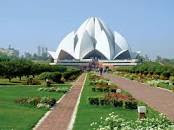
The Lotus Temple in Delhi, India, stands as a breathtaking testament to modern architecture and a beacon of peace and unity. This iconic tourist destination attracts millions of visitors each year, drawn to its unique lotus flower-like structure and serene atmosphere. If you're planning your India travel, the Lotus Temple is an absolute must-see Delhi tourist place. Our ultimate guide provides you with everything you need to know for an unforgettable visit to this remarkable Indian landmark.


Architectural Brilliance: The Lotus Design

The Lotus Temple's architecture is its most striking feature. Designed by Iranian architect Fariborz Sahba, the temple's 27 free-standing marble-clad "petals" are arranged in clusters of three to form the shape of a lotus flower, a symbol of purity and love in many cultures. This stunning design has earned the Lotus Temple international acclaim and makes it a truly unique tourist attraction in Delhi.

A Baháʼí House of Worship: Promoting Unity

The Lotus Temple is a Baháʼí House of Worship, open to people of all religions and backgrounds for prayer and meditation. The Baháʼí Faith emphasizes the oneness of God, the unity of religions, and the oneness of humankind. This message of peace and unity resonates deeply with visitors, creating a tranquil and spiritual ambiance within the temple's central hall.


Experiencing the Serenity: Inside the Temple

Upon entering the Lotus Temple's central prayer hall, visitors are enveloped in a sense of profound silence and tranquility. The hall is devoid of idols, religious symbols, or pulpits, in line with the Baháʼí principle of the equality of all faiths. This open and inclusive space encourages personal reflection and connection, making it a truly unique spiritual destination in India.

Planning Your Visit: Timings, Entry Fee, and More

Planning your trip to the Lotus Temple is straightforward. Here's what you need to know for your Delhi sightseeing itinerary:

  • Timings: The temple is generally open from 8:00 AM to 5:00 PM (check the official website for seasonal variations).
  • Entry Fee: There is no entry fee to visit the Lotus Temple, making it an accessible free tourist attraction in Delhi.
  • Photography: Photography is permitted in the outer areas but is usually restricted inside the prayer hall to maintain the serene atmosphere.
  • Dress Code: Visitors are requested to dress modestly as a sign of respect.
  • Location: The Lotus Temple is located in Bahapur, Kalkaji, South Delhi, and is easily accessible by metro (Kalkaji Mandir station is the nearest).

Nearby Attractions: Exploring More of Delhi

While visiting the Lotus Temple, consider exploring other popular tourist places in Delhi located nearby, such as the ISKCON Temple, Humayun's Tomb, and Qutub Minar, to make the most of your India tour.

Top FAQs:

  1. Where is the Lotus Temple located in India? It is located in Bahapur, Kalkaji, South Delhi, India.
  2. Is there an entry fee to visit the Lotus Temple? No, entry to the Lotus Temple is free for all visitors.
  3. What are the opening and closing timings of the Lotus Temple? Generally 8:00 AM to 5:00 PM (please verify on the official website).
  4. Can I take pictures inside the Lotus Temple? Photography is usually restricted inside the central prayer hall.
  5. What is the Lotus Temple known for? Its unique lotus flower-shaped architecture and its role as a Baháʼí House of Worship promoting unity.
  6. Is the Lotus Temple a religious site for a specific religion? It is a Baháʼí House of Worship open to people of all faiths for prayer and meditation.
  7. How can I reach the Lotus Temple in Delhi? The nearest metro station is Kalkaji Mandir on the Violet and Magenta lines.

Conclusion:

A visit to the Lotus Temple in Delhi offers a unique blend of architectural grandeur and spiritual serenity. This iconic Indian landmark stands as a symbol of unity and peace, welcoming visitors from all walks of life. As you plan your India travel, be sure to include the Lotus Temple in your Delhi sightseeing itinerary for an unforgettable and enriching experience. Its breathtaking design and tranquil atmosphere will undoubtedly leave a lasting impression, making it a highlight of your exploration of unforgettable tourist destinations in India.

Top Tourist Destinations in India You Must Visit

India is a land of breathtaking diversity — a blend of age-old traditions, vibrant cultures, and awe-inspiring landscapes. Whether you're drawn by the serene Himalayan valleys or the sun-kissed beaches, there's a destination for every kind of traveler in this colorful country. Here's a curated list of the top tourist places in India you must visit.


🌄 Leh / Ladakh – Land of High Passes


Explore snow-capped peaks, serene monasteries, and crystal-clear lakes. A dream for adventure seekers, Ladakh offers bike trips, trekking, and stunning views of Pangong Lake and Nubra Valley.


🌿 Gangtok – The Gateway to Sikkim


Nestled in the Himalayas, Gangtok offers stunning views of Mount Kanchenjunga, spiritual vibes from its monasteries, and vibrant local markets.


🍃 Darjeeling – The Queen of Hills


Famous for its tea gardens, toy train rides, and panoramic mountain views, Darjeeling is a peaceful hill station perfect for a romantic or family vacation.


🏰 Agra – The City of the Taj Mahal


A UNESCO World Heritage city, Agra is home to the magnificent Taj Mahal, Agra Fort, and Fatehpur Sikri. A must-visit for history lovers and photographers.


🎨 Jaipur & Udaipur – Royal Cities of Rajasthan


Jaipur’s palaces, forts, and vibrant bazaars are matched by Udaipur’s lakes and regal charm. Explore the Pink City and the City of Lakes for a true Rajasthani experience.


🌊 Kanyakumari – Where Oceans Meet


At the southernmost tip of India, Kanyakumari is famous for its sunrise/sunset points and the meeting point of the Arabian Sea, Bay of Bengal, and Indian Ocean.


🏖️ Goa – The Beach Paradise


Whether you're looking for parties, yoga retreats, or Portuguese heritage sites, Goa offers sandy beaches and a carefree vibe like no other.


🏔️ Kashmir – Heaven on Earth


From Dal Lake’s houseboats to Gulmarg’s snowy slopes, Kashmir is a serene escape into nature and beauty. Ideal for honeymooners and peace-seekers.


🌴 Kerala – God’s Own Country


Explore the backwaters of Alleppey, Ayurvedic treatments, and hill stations like Munnar. Kerala is the perfect mix of wellness and wanderlust.


🕌 Delhi – The Heart of India


From historic landmarks like Qutub Minar and Red Fort to bustling markets and modern cafes, Delhi is a city that never sleeps.


🌸 Mysore – The Cultural Capital of Karnataka


Home to the grand Mysore Palace, this city shines with rich heritage, yoga centers, and vibrant Dasara celebrations.


Top FAQs About Tourist Places in India

Q1: Which is the No.1 tourist place in India?
The Taj Mahal in Agra is considered one of the most visited and iconic tourist places in India.

Q2: What is the best time to visit India?
October to March is ideal for most destinations, offering pleasant weather for sightseeing.

Q3: Which are the best honeymoon destinations in India?
Kashmir, Kerala, Goa, Udaipur, and Darjeeling are popular among honeymooners.

Q4: Are these destinations safe for solo travelers?
Yes, places like Goa, Jaipur, and Kerala are generally safe. Always take standard travel precautions.

Q5: How many days are enough to explore India?
For a full North-South experience, at least 3–4 weeks are recommended. Shorter trips can focus on specific regions.


Conclusion

From snow-covered mountains to tropical coastlines, ancient temples to vibrant cities — India offers a world of experiences in one country. Whether you're a spiritual seeker, a history buff, or a leisure traveler, these top tourist destinations in India promise an unforgettable journey.

Start planning your Indian adventure today — because when it comes to travel in India, the options are endless and the memories, everlasting.

HUMAYUN TOMB, DELHI, TOP HERITAGE DESTINATION IN INDIA

Humayun Tomb
Individuals longing for quintessential Mughal architecture should head to Delhi’s Humayun Tomb – one of the most popular heritage destinations of India. Humayun was son of the first Mughal Emperor of India. Haji Begum, Humayun’s Persian wife, looked after the construction, which began in 1569 (fourteen years after Humayun’s death).

The tomb stands in the centre of a square garden, and causeways (charbagh) separate this Mughal Tomb into four main gardens. Further, there are water-channels in the centre. You can enter this enclosure through two majestic double-storied gateways situated on the west and south.

Inlaid tile work, carvings comprising both Indian and Persian decorative elements, and carved stone screens – are a few highlights making Humayun Tomb wonderful.

General Information
Location: Opp. Dargah Nizamuddin, Mathura Road
Nearest Metro Station: JLN Stadium
Open: Daily
Visiting Hours: Sunrise to sunset
Entry Fee: 10 INR (Indians), 250 INR (foreigners)
Photography Charges: Nil, (25 INR for video filming)

JAMA MASJID, DELHI,TOP HERITAGE DESTINATION IN INDIA

Jama Masjid
A courtyard with a capacity of 25000 devotees, Jama Masjid located in Old Delhi is the largest in India. It was constructed between 1644 and 1658 and is Shah Jahan’s last architectural opus. This extravagant mosque possesses three great gates, four towers and two 40 m-high minarets.

With intricate carvings and verses of the holy Koran etched, the walls add to enhance the beauty of Jama Masjid. The cabinet in the north gate has a collection of Muhammad’s souvenirs – the Koran written on deerskin, a red beard-hair of the prophet, his sandals and his footprints, which are embedded in a marble block.

General Information
Location: Off Netaji Subhash Marg, west of Red Fort
Metro Station: Chawri Bazaar
Open: All days of the week
Visiting Hours: 7am to Noon, 1.30pm to 6.30pm. Tourists not allowed during prayer hours
Entry Fee: Free
Photography: 200 INR

Jama Masjid, Delhi, Major Heritage Tourist Attractions and Must see Place in India

Jama Masjid, Delhi 
A courtyard with a capacity of 25000 devotees, Jama Masjid located in Old Delhi is the largest in India. It was constructed between 1644 and 1658 and is Shah Jahan’s last architectural opus. This extravagant mosque possesses three great gates, four towers and two 40 m-high minarets.

With intricate carvings and verses of the holy Koran etched, the walls add to enhance the beauty of Jama Masjid. The cabinet in the north gate has a collection of Muhammad’s souvenirs – the Koran written on deerskin, a red beard-hair of the prophet, his sandals and his footprints, which are embedded in a marble block.

General Information
Location: Off Netaji Subhash Marg, west of Red Fort
Metro Station: Chawri Bazaar
Open: All days of the week
Visiting Hours: 7am to Noon, 1.30pm to 6.30pm.
Tourists not allowed during prayer hours
Entry Fee: Free
Photography: 200 INR

Humayun Tomb, Delhi, Major Heritage Tourist Attractions and Must see Place in India

Humayun Tomb, Delhi
Individuals longing for quintessential Mughal architecture should head to Delhi’s Humayun Tomb – one of the most popular heritage destinations of India. Humayun was son of the first Mughal Emperor of India. Haji Begum, Humayun’s Persian wife, looked after the construction, which began in 1569 (fourteen years after Humayun’s death).

The tomb stands in the centre of a square garden, and causeways (charbagh) separate this Mughal Tomb into four main gardens. Further, there are water-channels in the centre. You can enter this enclosure through two majestic double-storied gateways situated on the west and south.

Inlaid tile work, carvings comprising both Indian and Persian decorative elements, and carved stone screens – are a few highlights making Humayun Tomb wonderful.

General Information
Location: Opp. Dargah Nizamuddin, Mathura Road
Nearest Metro Station: JLN Stadium
Open: Daily
Visiting Hours: Sunrise to sunset
Entry Fee: 10 INR (Indians), 250 INR (foreigners)
Photography Charges: Nil
(25 INR for video filming)

Popular Posts