Showing posts with label tourist destination. Show all posts

Jantar Mantar Delhi: Exploring India's Ancient Observatory

For those seeking unique and historical tourist destinations in India, the Jantar Mantar in Delhi stands as a fascinating testament to India's scientific heritage. This intriguing complex of astronomical instruments, built in the 18th century by Maharaja Jai Singh II of Jaipur, offers a captivating glimpse into ancient Indian astronomy. If you're planning your Delhi sightseeing, the Jantar Mantar is a must-see attraction in Delhi for history buffs, science enthusiasts, and anyone curious about India's rich past. Our ultimate guide will help you explore the wonders of this remarkable Indian landmark.


A Step Back in Time: The History of Jantar Mantar

The Jantar Mantar in Delhi is one of five astronomical observatories built by Maharaja Jai Singh II. The others are located in Jaipur, Ujjain, Varanasi, and Mathura. The Delhi observatory was constructed in 1724 and was designed to study celestial movements and calculate time. Its name, Jantar Mantar, literally translates to "instruments for calculating the harmonies of the planets." This historical significance makes it a key popular place in Delhi.

Architectural Precision: The Instruments

The Jantar Mantar's architecture is as impressive as its purpose. The observatory houses several unique and large-scale instruments, each designed for specific astronomical observations:

  • Samrat Yantra: The largest instrument, a massive sundial used to calculate time with remarkable accuracy.
  • Jai Prakash Yantra: A hollowed-out hemisphere with markings to map celestial bodies.
  • Mishra Yantra: A combination of five instruments designed to determine the time of noon in different cities.
  • Ram Yantra: A cylindrical structure used to measure the altitude and azimuth of celestial bodies.

Exploring these instruments offers a tangible connection to the advanced astronomical knowledge of 18th-century India, making it a truly unique tourist attraction in Delhi.


Experiencing the Wonder: Your Visit to Jantar Mantar

Visiting the Jantar Mantar is a fascinating experience. While the instruments might seem abstract at first, understanding their purpose and scale offers a sense of awe. Guided tours are often available and highly recommended to fully grasp the significance of each instrument. The site provides a peaceful contrast to the bustling city, allowing for contemplation of India's scientific past. It's an essential addition to any Delhi tourism itinerary.

Planning Your Visit: Timings, Entry Fee, and More

Here's what you need to know to plan your visit to this unique Delhi tourist place:

  • Timings: Generally open from 9:00 AM to 6:00 PM daily (check the official website for any changes).
  • Entry Fee: There is a nominal entry fee for Indian citizens and foreign nationals.
  • Photography: Photography is permitted.
  • Location: Located in Connaught Place, the heart of New Delhi, making it easily accessible by metro (Rajiv Chowk station is the nearest).

Nearby Attractions: Exploring Central Delhi

The Jantar Mantar's central location makes it convenient to visit other popular places in Delhi nearby, such as Connaught Place itself, India Gate, and the National Museum.

Top FAQs:

  1. What is Jantar Mantar in Delhi? It is an 18th-century astronomical observatory built by Maharaja Jai Singh II.
  2. Where is Jantar Mantar located in Delhi? It is situated in Connaught Place, New Delhi.
  3. What are the opening hours of Jantar Mantar? Generally 9:00 AM to 6:00 PM daily (verify on the official website).
  4. Is there an entry fee for Jantar Mantar? Yes, there is a nominal fee for both Indian and foreign visitors.
  5. What are some of the main instruments at Jantar Mantar? Samrat Yantra (sun dial), Jai Prakash Yantra, Mishra Yantra, and Ram Yantra.
  6. Why was Jantar Mantar built? To study celestial movements, calculate time, and advance astronomical knowledge.
  7. Is a guided tour recommended at Jantar Mantar? Yes, a guided tour can greatly enhance your understanding of the instruments and their functions.

Conclusion:

The Jantar Mantar in Delhi offers a unique and enriching experience for travelers interested in history, science, and the wonders of ancient Indian intellect. This remarkable Indian landmark stands as a testament to the advanced astronomical knowledge of its time. As you plan your Delhi sightseeing, make sure to include a visit to the Jantar Mantar to witness firsthand the architectural precision and scientific significance of this fascinating tourist destination. It's a journey back in time and a chance to marvel at the ingenuity of India's past, making it a truly unforgettable stop on your exploration of India.

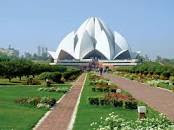
Lotus Temple Delhi: Ultimate Guide to India's Iconic Landmark

The Lotus Temple in Delhi, India, stands as a breathtaking testament to modern architecture and a beacon of peace and unity. This iconic tourist destination attracts millions of visitors each year, drawn to its unique lotus flower-like structure and serene atmosphere. If you're planning your India travel, the Lotus Temple is an absolute must-see Delhi tourist place. Our ultimate guide provides you with everything you need to know for an unforgettable visit to this remarkable Indian landmark.


Architectural Brilliance: The Lotus Design

The Lotus Temple's architecture is its most striking feature. Designed by Iranian architect Fariborz Sahba, the temple's 27 free-standing marble-clad "petals" are arranged in clusters of three to form the shape of a lotus flower, a symbol of purity and love in many cultures. This stunning design has earned the Lotus Temple international acclaim and makes it a truly unique tourist attraction in Delhi.

A Baháʼí House of Worship: Promoting Unity

The Lotus Temple is a Baháʼí House of Worship, open to people of all religions and backgrounds for prayer and meditation. The Baháʼí Faith emphasizes the oneness of God, the unity of religions, and the oneness of humankind. This message of peace and unity resonates deeply with visitors, creating a tranquil and spiritual ambiance within the temple's central hall.


Experiencing the Serenity: Inside the Temple

Upon entering the Lotus Temple's central prayer hall, visitors are enveloped in a sense of profound silence and tranquility. The hall is devoid of idols, religious symbols, or pulpits, in line with the Baháʼí principle of the equality of all faiths. This open and inclusive space encourages personal reflection and connection, making it a truly unique spiritual destination in India.

Planning Your Visit: Timings, Entry Fee, and More

Planning your trip to the Lotus Temple is straightforward. Here's what you need to know for your Delhi sightseeing itinerary:

  • Timings: The temple is generally open from 8:00 AM to 5:00 PM (check the official website for seasonal variations).
  • Entry Fee: There is no entry fee to visit the Lotus Temple, making it an accessible free tourist attraction in Delhi.
  • Photography: Photography is permitted in the outer areas but is usually restricted inside the prayer hall to maintain the serene atmosphere.
  • Dress Code: Visitors are requested to dress modestly as a sign of respect.
  • Location: The Lotus Temple is located in Bahapur, Kalkaji, South Delhi, and is easily accessible by metro (Kalkaji Mandir station is the nearest).

Nearby Attractions: Exploring More of Delhi

While visiting the Lotus Temple, consider exploring other popular tourist places in Delhi located nearby, such as the ISKCON Temple, Humayun's Tomb, and Qutub Minar, to make the most of your India tour.

Top FAQs:

  1. Where is the Lotus Temple located in India? It is located in Bahapur, Kalkaji, South Delhi, India.
  2. Is there an entry fee to visit the Lotus Temple? No, entry to the Lotus Temple is free for all visitors.
  3. What are the opening and closing timings of the Lotus Temple? Generally 8:00 AM to 5:00 PM (please verify on the official website).
  4. Can I take pictures inside the Lotus Temple? Photography is usually restricted inside the central prayer hall.
  5. What is the Lotus Temple known for? Its unique lotus flower-shaped architecture and its role as a Baháʼí House of Worship promoting unity.
  6. Is the Lotus Temple a religious site for a specific religion? It is a Baháʼí House of Worship open to people of all faiths for prayer and meditation.
  7. How can I reach the Lotus Temple in Delhi? The nearest metro station is Kalkaji Mandir on the Violet and Magenta lines.

Conclusion:

A visit to the Lotus Temple in Delhi offers a unique blend of architectural grandeur and spiritual serenity. This iconic Indian landmark stands as a symbol of unity and peace, welcoming visitors from all walks of life. As you plan your India travel, be sure to include the Lotus Temple in your Delhi sightseeing itinerary for an unforgettable and enriching experience. Its breathtaking design and tranquil atmosphere will undoubtedly leave a lasting impression, making it a highlight of your exploration of unforgettable tourist destinations in India.

Wonders of Jodhpur, Rajasthan – The Blue City’s Top Attractions and Western Charms of India

Jodhpur, Rajasthan: The Blue City – Western Charms of India

Jodhpur, often called the "Blue City," is a captivating destination nestled in the heart of Rajasthan, India. Known for its picturesque blue-painted houses, royal palaces, and ancient forts, Jodhpur is a city where history, culture, and architecture come together to form a truly unique experience for travelers. Whether you’re a history enthusiast, a culture lover, or an adventurer, Jodhpur offers a blend of attractions that will make your trip unforgettable.

The Blue City’s Vibrant Culture

Jodhpur’s nickname, the "Blue City," is derived from the striking blue houses that dominate its landscape. These houses were traditionally painted blue by Brahmin families to signify their status and to ward off the heat of the sun. Over time, the color became a symbol of the city’s rich history and cultural significance.

Beyond the blue hue, Jodhpur is a city of fascinating contrasts. From its bustling bazaars and vibrant markets to the majestic forts and palaces, there’s a story behind every corner. The fusion of Rajput and Mughal architectural styles, combined with Rajasthan’s colorful traditions, creates a cultural mosaic that draws tourists from around the world.

Top Attractions in Jodhpur

  1. Mehrangarh Fort: A monumental fortress that rises dramatically above the city, Mehrangarh Fort is a must-visit for any traveler in Jodhpur. With its towering walls, intricate carvings, and panoramic views of the city, the fort tells the story of Jodhpur’s royal past. Inside the fort, you’ll find museums and galleries that showcase artifacts, armor, and artwork that highlight Rajasthan's royal history.

  2. Umaid Bhawan Palace: A symbol of grandeur and luxury, the Umaid Bhawan Palace is one of the largest private residences in the world. Designed in an art deco style, this majestic palace was built during the reign of Maharaja Umaid Singh and is now a hotel and museum. The stunning architecture and sprawling grounds make it a perfect spot for a day of exploration.

  3. Clock Tower & Sardar Market: Situated near the Clock Tower, Sardar Market is an exciting place to experience the heart of Jodhpur's culture. With its vibrant stalls selling spices, textiles, handicrafts, and jewelry, it’s the perfect place to soak in the local atmosphere and pick up souvenirs.

  4. Jaswant Thada: Known as the "Taj Mahal of Marwar," Jaswant Thada is a beautiful marble cenotaph built in memory of Maharaja Jaswant Singh II. Located near Mehrangarh Fort, the site is peaceful and offers a tranquil escape with its picturesque surroundings.

  5. Mandore Gardens: Located just outside Jodhpur, Mandore Gardens is home to a collection of temples, cenotaphs, and a peaceful garden. The historic monuments here offer a glimpse into the royal Marwar era, and the surrounding scenery makes it an ideal place for a relaxing afternoon.

Jodhpur’s Culinary Delights

Jodhpur is also a food lover’s paradise, offering a mix of traditional Rajasthani cuisine and street food. Don’t miss trying the iconic Makhaniya Lassi (a sweet, creamy yogurt drink), Pyaaz Kachori (fried pastry filled with spiced onion), and Mirchi Vada (green chili stuffed with spicy potato filling). For a true Rajasthani dining experience, opt for a traditional thali, a platter of various local delicacies that will tantalize your taste buds.

Best Time to Visit Jodhpur

The best time to visit Jodhpur is during the cooler months, from October to March. The temperatures are more pleasant, making it perfect for sightseeing and outdoor activities. However, Jodhpur’s charm remains timeless throughout the year, and each season brings its own unique character to the city.


Top FAQs About Jodhpur

  1. What is Jodhpur famous for? Jodhpur is famous for its blue-painted houses, Mehrangarh Fort, Umaid Bhawan Palace, and vibrant Rajasthani culture.

  2. Is Jodhpur safe for tourists? Yes, Jodhpur is generally considered a safe destination for tourists. However, like any other tourist spot, it’s always recommended to take standard precautions to ensure your safety.

  3. How many days should I spend in Jodhpur? Two to three days are ideal for exploring Jodhpur’s top attractions, including its forts, palaces, markets, and local cuisine.

  4. What are the must-try foods in Jodhpur? Must-try foods in Jodhpur include Makhaniya Lassi, Pyaaz Kachori, Mirchi Vada, and traditional Rajasthani thali.

  5. How do I get to Jodhpur? Jodhpur is well-connected by air, rail, and road. The city has an airport with domestic flights, a major railway station, and is easily accessible by road from other parts of Rajasthan.

  6. What is the best time to visit Jodhpur? The best time to visit Jodhpur is from October to March when the weather is cooler and ideal for sightseeing.


Conclusion

Jodhpur, the Blue City of Rajasthan, is an enchanting blend of history, culture, and architecture. Whether you’re exploring the monumental Mehrangarh Fort, wandering through vibrant markets, or savoring traditional Rajasthani food, Jodhpur offers an experience unlike any other. With its rich heritage and timeless beauty, Jodhpur is undoubtedly a must-visit destination for travelers seeking to explore the wonders of Western India.

What is Puli Kali, Pulikali, Folk art Pulikali Tiger dance Kerala, Tiger Dance,Pulikali Trichur Kerala, Puli Kali

Folk art Pulikali Tiger dance Kerala
India, with its rich culture, history, and vibrant traditions, offers a plethora of unforgettable tourist destinations. Among the countless cultural gems, Puli Kali, or the Tiger Dance of Kerala, stands out as an iconic and colorful festival that draws tourists from around the world. This folk art form, which is a part of the grand Onam celebrations in Kerala, is an essential experience for travelers seeking to witness the true essence of Kerala's cultural heritage.

What is Puli Kali?

Puli Kali, meaning ‘play of the tigers,’ is a traditional folk art performed predominantly during the Onam festival in the town of Thrissur, Kerala. The performance is a unique blend of cultural history, artistry, and entertainment that highlights the spirit of Kerala. This vibrant and colorful folk dance has been passed down through generations, and it is celebrated on the fourth day of the Onam festival.

At the heart of Puli Kali is the captivating sight of local performers painted like tigers, embodying the playful hunt of these majestic creatures. These performances are not only a feast for the eyes but also an important cultural practice that showcases Kerala's devotion to its traditions. The performers, usually local men, undergo meticulous preparation, with oil paints applied to their bodies to resemble tigers. The faces are painted to resemble feline features, while their bodies display intricate tiger patterns and even lion faces, creating a visually striking appearance.

The Performance

The Puli Kali dance revolves around a playful tiger hunt scenario, where the performers simulate the life of a tiger being hunted by a hunter wielding a gun. The crowd is treated to a high-energy display of hide-and-seek as the painted men dance, prance, and move in circles, making the performance an exhilarating spectacle. The festival is not just about the visual art but also about the excitement and energy that fills the air.

Held at the Swaraj Round in Thrissur, the event attracts thousands of people every year. Locals and tourists alike come to witness this grand celebration, creating an electric atmosphere of joy and enthusiasm. The make-up process alone is a sight to behold, as the laborious painting requires hours of precision.

Getting There

Thrissur is the hub of the Puli Kali celebrations and is easily accessible from other parts of Kerala.

  • Nearest Railway Station: Thrissur, about 1 km from the event venue.
  • Nearest Airport: Cochin International Airport, about 58 km away from Thrissur.

Visitors can easily reach Thrissur by rail or air, making it a convenient destination for those planning to experience the magic of Puli Kali.

Best Time to Visit

Since Puli Kali is an integral part of the Onam festival, it typically takes place in the month of August or September, depending on the Malayalam calendar. However, the dates can vary, so it's always best to check with local authorities for the specific timings.

Top FAQs:

  1. When is the Puli Kali festival celebrated? The Puli Kali festival is held on the fourth day of Onam, which usually falls in August or September. The exact dates can vary according to the Malayalam calendar.

  2. Where is Puli Kali performed? Puli Kali is predominantly performed in Thrissur, Kerala, at the Swaraj Round during the Onam celebrations.

  3. What is the significance of the tiger dance? The tiger dance symbolizes the fun and playful spirit of tiger hunting. It is a cultural performance that showcases Kerala’s folklore and traditions through art and dance.

  4. How do the performers get ready for the festival? The performers, typically local men, undergo an elaborate process where their bodies and faces are painted with oil paints to resemble tigers. The intricate makeup process is a labor of love and takes hours to complete.

  5. How can I reach Thrissur for the Puli Kali festival? Thrissur is easily accessible by train (about 1 km from the venue) and air (Cochin International Airport is about 58 km away).

Conclusion

The Puli Kali Tiger Dance in Kerala is not just a festival; it's a celebration of the state's culture, artistry, and heritage. If you're seeking an unforgettable cultural experience in India, this vibrant folk art during the Onam festival should be at the top of your list. Witnessing the Puli Kali is a great way to immerse yourself in the traditions of Kerala and be part of a joyful, colorful event that has stood the test of time for over two centuries. So, pack your bags, plan your visit to Thrissur, and get ready for an unforgettable experience that will stay with you for a lifetime.

Popular Posts