Showing posts with label Varanasi travel guide. Show all posts

Ganges River in Varanasi – Sacred Ghats, Spiritual Experiences, and Timeless Beauty

The Ganges River in Varanasi, also called the Ganga, is not just a river—it's the spiritual lifeline of India. Flowing gracefully through the ancient city of Varanasi, the Ganges is regarded as one of the holiest rivers in the world. Devotees, travelers, photographers, and spiritual seekers from across the globe visit this timeless destination to experience the mysticism and sacred essence that surround the ghats of Varanasi.

Why Ganges River in Varanasi Is a Must-Visit Destination

The Ganges River holds immense cultural, religious, and ecological significance. In Varanasi (also known as Kashi or Benares), the river takes on a divine form, believed to purify sins and grant liberation (moksha) to those who bathe in its waters.

This makes it a major spiritual destination in India, filled with ancient temples, holy rituals, cremation ceremonies, and colorful aartis that define the rhythm of life in Varanasi.


Top Attractions at the Ganges River, Varanasi

1. Dashashwamedh Ghat

One of the oldest and most vibrant ghats, where the famous Ganga Aarti is performed every evening with lamps, chants, and music—a spectacle that captivates every soul.

2. Manikarnika Ghat

This sacred cremation ground is where Hindus believe liberation from the cycle of rebirth is granted. It reflects the unique philosophy of life and death in Hindu tradition.

3. Assi Ghat

Popular among both locals and tourists, Assi Ghat is a serene spot for yoga at sunrise and sipping chai by the riverside.

4. Boat Ride on the Ganges

A sunrise or sunset boat ride on the Ganges offers breathtaking views of the ghats and temple spires, providing the perfect photo-op and spiritual immersion.

5. Ganga Aarti Ceremony

The Ganga Aarti is a must-experience event in Varanasi, performed with synchronized chants, fire offerings, and conch shell blowing, especially on Dashashwamedh Ghat.


Spiritual and Cultural Significance

  • The river is believed to descend from the heavens and cleanse human sins.

  • People perform rituals, including Pind Daan for their ancestors, and immerse ashes after cremation.

  • The ghats host multiple festivals like Dev Deepawali, Chhath Puja, and Ganga Dussehra.


Tips for Visiting the Ganges River in Varanasi

  • Visit during early morning for peaceful vibes and yoga sessions.

  • Dress modestly, especially if participating in rituals.

  • Respect local customs and avoid photographing cremation ceremonies unless permitted.

  • October to March is the best time for travel due to pleasant weather.


How to Reach Ganges River, Varanasi

  • By Air: Lal Bahadur Shastri International Airport (approx. 25 km from city center).

  • By Train: Varanasi Junction is well connected to all major cities in India.

  • By Road: Regular buses and taxis operate from nearby towns and cities.


Top FAQs about the Ganges River in Varanasi

1. Why is the Ganges River in Varanasi so sacred?
It is believed to have divine origins and the power to cleanse sins and grant moksha.

2. What is the best time to visit the Ganges River?
Between October and March, when the weather is cool and perfect for sightseeing.

3. Can tourists attend the Ganga Aarti?
Yes, tourists are welcome to witness and even participate in the evening Ganga Aarti.

4. Is it safe to take a dip in the Ganges River?
Yes, in designated ghats like Assi and Dashashwamedh. However, take precautions.

5. Are boat rides available throughout the day?
Yes, but early morning and evening are the most scenic and peaceful times.

6. What festivals are celebrated on the Ganges in Varanasi?
Dev Deepawali, Ganga Dussehra, Kartik Purnima, and Chhath Puja.

7. Can I take a spiritual tour in Varanasi?
Yes, guided spiritual and heritage walks are available along the ghats and temples.

8. What kind of accommodations are available near the Ganges?
From guesthouses with river views to luxury hotels and spiritual retreats.

9. Is photography allowed during the Ganga Aarti?
Yes, but from a respectful distance. Avoid flash photography during rituals.

10. What should I wear during a visit to the Ganges?
Modest, comfortable clothing is ideal. A shawl or dupatta is recommended at ghats.


Conclusion

The Ganges River in Varanasi is more than a geographical feature—it’s a living symbol of Indian spirituality, tradition, and devotion. Whether you come for cultural exploration, spiritual awakening, or simply to soak in the ancient ambiance, a visit to the Ganga will leave a lasting imprint on your soul. The tranquil boat rides, echoing chants, and deep-rooted rituals offer a glimpse into the eternal rhythm of life and death—making Varanasi one of the most unforgettable destinations in India.

Top Temples to Visit in Kashi – A Spiritual Journey Through the Holy City of Varanasi

Kashi, also known as Varanasi or Banaras, is considered the spiritual heart of India. This ancient city on the banks of the sacred Ganges River is believed to be one of the oldest living cities in the world. A trip to Kashi is incomplete without visiting its revered temples, each holding mythological, cultural, and spiritual significance. Whether you're a pilgrim seeking divine blessings or a traveler admiring architectural marvels, Kashi's temples offer a journey through time, faith, and devotion.


🌟 Must-Visit Temples in Kashi (Varanasi)

1. Kashi Vishwanath Temple

  • Significance: One of the 12 Jyotirlingas, dedicated to Lord Shiva.

  • Highlight: The most revered temple in Varanasi.

  • Location: Near Dashashwamedh Ghat.

  • Special Note: Recently renovated under the Kashi Vishwanath Corridor project.

2. Annapurna Devi Temple

  • Significance: Goddess Annapurna is believed to be the provider of food and nourishment.

  • Highlight: Located close to the Kashi Vishwanath temple.

  • Mythology: It is said Lord Shiva himself begged food from Goddess Annapurna here.

3. Sankat Mochan Hanuman Temple

  • Significance: Dedicated to Lord Hanuman, known as the remover of obstacles.

  • Highlight: Tuesday and Saturday are major worship days.

  • Special Feature: Large gatherings and chanting of Hanuman Chalisa.

4. Durga Kund Mandir (Durga Temple)

  • Significance: Also known as the Monkey Temple, dedicated to Goddess Durga.

  • Architecture: Constructed in Nagara style, painted red with ochre.

  • Highlight: Adjoining Durga Kund (pond) adds serenity.

5. Tulsi Manas Mandir

  • Significance: Built at the site where Tulsidas composed the Ramcharitmanas.

  • Highlight: Verses from Ramcharitmanas are inscribed on the walls.

  • Architecture: Marble temple with peaceful gardens.

6. Bharat Mata Temple

  • Unique Feature: No deity; instead, it has a relief map of India in marble.

  • Significance: Symbolizes nationalism and unity.

  • Location: Mahatma Gandhi Kashi Vidyapeeth campus.

7. New Vishwanath Temple (Birla Temple)

  • Location: Inside Banaras Hindu University (BHU) campus.

  • Highlight: Towering structure resembling the original Kashi Vishwanath temple.

  • Note: Open to all castes and religions.

8. Kal Bhairav Temple

  • Significance: Lord Kal Bhairav is known as the Kotwal (guardian) of Kashi.

  • Tradition: Pilgrims often visit this temple before Kashi Vishwanath.

  • Ritual: Devotees buy and offer a sacred thread, “Bhairav dhaga”.


✨ Why Visit Temples in Kashi?

  • Spiritual awakening: Kashi is believed to liberate souls from the cycle of rebirth.

  • Architectural beauty: From ancient designs to modern creations, each temple is a visual marvel.

  • Cultural experience: Witness rituals, aartis, and festivals in their most authentic forms.


🌺 Best Time to Visit Kashi Temples

  • Winter (October to March): Pleasant weather for temple visits.

  • Festivals: Shivratri, Diwali, and Dev Deepawali are celebrated grandly.


✅ Travel Tips for Visiting Temples in Varanasi

  • Footwear: Leave shoes outside temple premises.

  • Dress Code: Wear modest, traditional attire.

  • Crowds: Start early in the morning to avoid rush.

  • Guides: Hire local guides for cultural insights and mythology.


🙋‍♀️ Top FAQs on Temples to Visit in Kashi

Q1. Which is the most famous temple in Varanasi?
A1. Kashi Vishwanath Temple is the most famous and revered temple in Varanasi.

Q2. Are non-Hindus allowed inside all temples in Kashi?
A2. Some temples like the New Vishwanath Temple allow all visitors, but others like the Kashi Vishwanath Temple may have restrictions.

Q3. What is the best time to visit Kashi temples?
A3. October to March is ideal, especially during major Hindu festivals.

Q4. Is photography allowed inside the temples?
A4. Most temples do not allow photography inside the sanctum. Always ask permission beforehand.

Q5. How many temples are there in Varanasi?
A5. There are hundreds of temples; many believe there’s a shrine or deity in every lane of the city.

Q6. Can we attend Ganga Aarti after temple visits?
A6. Yes, you can witness the famous Ganga Aarti at Dashashwamedh Ghat after temple visits.

Q7. Are there any guided temple tours in Varanasi?
A7. Yes, many local guides and tour operators offer half-day or full-day temple tours.

Q8. Is the Kashi Vishwanath Corridor worth visiting?
A8. Absolutely! The corridor has enhanced the accessibility and spiritual experience for devotees.

Q9. Are temple visits safe for solo female travelers?
A9. Yes, but it's best to travel during daylight and in popular areas.

Q10. Is prior booking required for temple darshan?
A10. For regular darshan, booking isn’t needed, but special VIP darshans might require advance registration.


🧘‍♂️ Conclusion

Kashi, the eternal city, is more than just a pilgrimage site—it is a transformative experience that offers peace, purpose, and a deeper connection with the divine. Each temple in Varanasi has a story to tell, a tradition to preserve, and a blessing to offer. Whether you're on a spiritual journey or simply exploring India's rich cultural heritage, the temples of Kashi promise an unforgettable encounter with the sacred. Plan your trip, respect the local customs, and immerse yourself in the soulful rhythms of this holy city

Varanasi Tourism Guide: Explore The Oldest Living City & Spiritual Hub of India

Varanasi, also known as Kashi, stands as one of the oldest living cities in the world and a sacred pilgrimage site for millions of Hindus. Situated on the banks of the holy River Ganges, Varanasi holds unparalleled spiritual significance. According to Hindu beliefs, dying in Varanasi grants moksha — liberation from the cycle of birth and death — making it a prime destination for devotees and tourists alike.

The city is a rich tapestry of Indian culture, mysticism, philosophy, and tradition. Varanasi is not only the spiritual heart of Hinduism but also holds historical importance in Buddhism and Jainism. It was here in nearby Sarnath that Lord Buddha delivered his first sermon after enlightenment, and the city also marks the birthplace of Parsvanath, a revered Jain Tirthankara.

Famous Attractions in Varanasi

  • Dasaswamedh Ghat: One of the oldest and most vibrant ghats, famous for the spectacular Ganga Aarti ceremony held every evening.

  • Man Mandir Ghat: Built in the 18th century by the Maharaja of Jaipur, known for its architectural beauty and historic significance.

  • Asi Ghat: The southernmost ghat of Varanasi, popular for ritual bathing and the Asi Sangameshwar temple.

  • Lalitha Ghat: Home to the Ganga Keshava shrine, this ghat features a wooden temple built in the Nepalese architectural style.

  • Manikarnika Ghat: The most sacred cremation ghat where, according to Hindu beliefs, souls attain liberation after cremation.

Cultural and Educational Significance

Varanasi is known as the educational capital of India. It houses the renowned Banaras Hindu University (BHU), one of Asia’s largest and most prestigious institutions. The city has long been a center for Sanskrit learning, Ayurveda, and traditional Indian arts.

Shopping and Local Specialties

Varanasi is famous for its exquisite silk sarees, gold and silver brocade work, and handicrafts. Tourists can shop for premium textiles and traditional artifacts as memorable souvenirs.

How to Reach Varanasi

  • By Air: Varanasi’s Lal Bahadur Shastri International Airport is well-connected with major Indian cities like Delhi, Mumbai, and Kolkata with frequent flights.

  • By Rail: Varanasi is served by two major railway stations — Kashi Junction and Varanasi Junction — connecting it to all parts of India.

  • By Road: Well-maintained highways link Varanasi to neighboring states and cities, with ample bus and taxi services available.


Top FAQs About Varanasi Tourism

Q1: Why is Varanasi considered the oldest living city?
A1: Varanasi’s continuous habitation for over 3000 years and its mention in ancient texts makes it one of the oldest continuously inhabited cities globally.

Q2: What is the significance of the ghats in Varanasi?
A2: Ghats are steps leading to the river, used for religious rituals, bathing, cremation, and cultural events, reflecting Varanasi’s spiritual heritage.

Q3: Can tourists witness the Ganga Aarti in Varanasi?
A3: Yes, the evening Ganga Aarti at Dasaswamedh Ghat is a spectacular and highly recommended spiritual experience.

Q4: Is Varanasi safe for tourists?
A4: Yes, Varanasi is generally safe for tourists with vibrant cultural experiences and religious activities throughout the year.

Q5: What is the best time to visit Varanasi?
A5: The ideal time is from October to March when the weather is pleasant and festivals are celebrated with fervor.


Conclusion

Varanasi is a living testament to India’s ancient spiritual traditions and cultural richness. From its sacred ghats and timeless temples to vibrant festivals and educational heritage, this city offers an unforgettable experience for travelers seeking spirituality, history, and culture. Plan your visit to Varanasi to immerse yourself in the divine aura and timeless charm of this extraordinary city.

Varanasi: Best Tourist Destinations and Things to Do in the Spiritual Capital of India

Nestled along the sacred Ganges River, Varanasi, often referred to as the spiritual heart of India, is a city steeped in history, culture, and spirituality. As one of the oldest continuously inhabited cities in the world, Varanasi offers a unique glimpse into India’s rich religious traditions and historical significance. Whether you're visiting for spiritual reasons, to witness its centuries-old traditions, or simply to explore its vibrant streets, Varanasi has something for everyone. Here's a comprehensive guide to the top tourist destinations and things to do in Varanasi that will make your visit truly unforgettable.


1. Dashashwamedh Ghat: The Most Famous Ghat in Varanasi

One of the most iconic places to visit in Varanasi is the Dashashwamedh Ghat, a riverfront ghat located along the Ganges River. It is renowned for its evening Ganga Aarti, a mesmerizing ceremony performed every evening to honor the river goddess. The ritual involves chants, fire offerings, and the waving of lamps, which creates a magical atmosphere. Witnessing the Ganga Aarti is a must-do experience in Varanasi and will leave you with memories to last a lifetime.

2. Kashi Vishwanath Temple: A Sacred Abode of Lord Shiva

A visit to Kashi Vishwanath Temple, one of the most revered temples in India, is a spiritual journey you cannot miss. Dedicated to Lord Shiva, this temple is an essential part of the Char Dham pilgrimage and holds immense significance for Hindus. The temple's golden spire and intricate architecture add to its mystique. Pilgrims come here to offer their prayers, and visitors can experience the peaceful yet lively atmosphere that surrounds the temple.

3. Manikarnika Ghat: The Most Sacred Cremation Ghat

Manikarnika Ghat is one of the holiest and most significant ghats in Varanasi. It is famously known as the cremation ghat where Hindu cremations take place. This sacred ghat holds great spiritual importance, and many believe that those cremated here attain moksha or liberation from the cycle of birth and death. While this may sound somber, it is an essential part of Varanasi’s cultural and spiritual landscape, offering deep insights into the traditions of life and death in Hinduism.

4. Sarnath: A Historical and Spiritual Hub

Just a short distance from Varanasi, Sarnath is an important Buddhist site. It is here that Lord Buddha gave his first sermon after attaining enlightenment. Sarnath is home to several important Buddhist monuments, including the Dhamek Stupa, the Chaukhandi Stupa, and the Sarnath Archaeological Museum. For history and spirituality enthusiasts, a visit to Sarnath provides an incredible opportunity to explore the roots of Buddhism and the teachings of Buddha.

5. Assi Ghat: A Tranquil Spot for Spiritual Activities

Unlike the bustling Dashashwamedh Ghat, Assi Ghat offers a more tranquil and peaceful environment. Located at the southern end of the city, Assi Ghat is known for its serene beauty, yoga sessions, and daily rituals. It is also the place where Lord Shiva is believed to have rested after defeating the demon Tripurasura. Many tourists and locals visit Assi Ghat to take part in early morning yoga sessions, enjoy a peaceful boat ride, or simply sit by the river in contemplation.

6. Ramnagar Fort: A Glimpse Into Varanasi’s Royal History

Located across the Ganges from the main city, Ramnagar Fort is an impressive historical structure that offers a peek into the royal heritage of Varanasi. The fort, built in the 18th century by the Maharaja of Varanasi, houses a museum with royal artifacts, vintage cars, and weaponry. The fort also serves as the residence of the royal family of Varanasi. You can visit the fort to enjoy its architecture and explore the historical exhibits on display.

7. Banaras Hindu University (BHU): A Center of Learning

Banaras Hindu University (BHU) is one of the most prestigious universities in India, located on the banks of the Ganges. Established in 1916 by Pandit Madan Mohan Malaviya, BHU is known for its stunning campus, rich cultural heritage, and academic excellence. Visitors can explore the Vishwanath Temple on the university campus and learn more about its history and contributions to education in India.

8. Tulsi Manas Mandir: A Temple Dedicated to Lord Rama

The Tulsi Manas Mandir is a beautiful temple dedicated to Lord Rama and commemorates the place where the Tulsi Ramayana was written by the saint Tulsidas. The temple’s walls are adorned with beautiful depictions from the Ramayana. It is a serene and peaceful place for devotees and tourists alike, and it holds cultural and spiritual significance for Hindus.

9. Varanasi Silk Weaving Industry: Shop for Authentic Silk Sarees

Varanasi is famous for its exquisite silk weaving industry and is known for producing some of the finest Banarasi sarees in India. A visit to the weaving centers in Varanasi allows tourists to witness the intricate process of weaving these beautiful sarees. You can also shop for authentic Banarasi silk sarees and other textiles, making for a great souvenir from this spiritual city.

10. Rishikesh Ghat: A Place of Peace and Reflection

Rishikesh Ghat, located near Assi Ghat, is known for its tranquil and peaceful environment. It is often visited by pilgrims and travelers looking for spiritual experiences and reflection. The ghat offers a calm atmosphere ideal for introspection, meditation, and quiet moments by the river.


Top FAQs About Varanasi:

1. What is the best time to visit Varanasi?
The best time to visit Varanasi is during the winter months (October to March), when the weather is cool and pleasant. Avoid visiting during the summer months (April to June) due to the scorching heat.

2. How can I reach Varanasi?
Varanasi is well-connected by air, rail, and road. The Lal Bahadur Shastri International Airport serves domestic and international flights. Varanasi Junction is the main railway station, offering easy access to the city by train.

3. Is Varanasi safe for tourists?
Yes, Varanasi is generally safe for tourists. However, like any busy tourist destination, it is advisable to stay alert, especially in crowded areas. It’s always a good idea to hire a local guide for a better experience.

4. What are the top things to do in Varanasi?
The top things to do include visiting ghats, attending Ganga Aarti, exploring historical temples like Kashi Vishwanath, and visiting Sarnath for a spiritual retreat. You can also shop for Banarasi silk and enjoy boat rides on the Ganges.

5. Can I take a boat ride in Varanasi?
Yes, boat rides on the Ganges River are a popular activity in Varanasi. Early morning boat rides offer a peaceful experience and a unique view of the ghats and temples.


Conclusion: Why Varanasi is a Must-Visit Destination

Varanasi is more than just a city; it is a journey into India’s ancient spiritual traditions, rich culture, and timeless beauty. Whether you are seeking spiritual solace, historical insight, or simply want to immerse yourself in the vibrant local culture, Varanasi offers an unparalleled experience. From its sacred ghats to its magnificent temples and bustling markets, every corner of Varanasi has a story to tell. Make sure to explore the top tourist destinations in Varanasi for an unforgettable trip that will stay with you forever.

Maha Shivaratri in Varanasi: A Spiritual and Cultural Festival in India

Maha Shivaratri in Varanasi: A Spiritual and Cultural Extravaganza

India is home to a vast array of cultural and spiritual festivals, but none is as mesmerizing as Maha Shivaratri in Varanasi. Known as the spiritual capital of India, Varanasi becomes the center of devotion, rituals, and celebrations during this significant festival dedicated to Lord Shiva. If you’ve ever dreamt of immersing yourself in an authentic cultural experience, visiting Varanasi during Maha Shivaratri should definitely be on your list.

In this article, we will walk you through the best time to visit, how to reach Varanasi, and answer some of the most frequently asked questions about this awe-inspiring celebration.


Best Time to Visit Varanasi for Maha Shivaratri

The best time to visit Varanasi for Maha Shivaratri is typically in February or March. This is when the festival usually takes place, based on the Hindu lunar calendar. The festival falls on the 14th night of the new moon during the month of Phalguna. The weather during this time is mild and pleasant, making it an ideal period for sightseeing and participating in the festive activities.

It’s important to note that Maha Shivaratri attracts thousands of pilgrims, so if you plan to visit during this period, it’s recommended to book accommodations in advance.


How to Reach Varanasi

Varanasi is well-connected by air, rail, and road, making it easy to travel from major cities in India and internationally.

  1. By Air:

    • Lal Bahadur Shastri International Airport (VNS) serves as the main airport for Varanasi, with direct flights from cities like Delhi, Mumbai, Kolkata, and even international destinations like Bangkok.
    • From the airport, you can take a taxi or pre-arranged transport to your hotel.
  2. By Train:

    • Varanasi Junction (BSB) is one of the busiest railway stations in India, with direct trains connecting it to cities across the country, including Delhi, Kolkata, and Mumbai. The train journey provides a great opportunity to enjoy scenic views of the Indian countryside.
  3. By Road:

    • Varanasi is well-connected by buses and highways to major cities in Uttar Pradesh and neighboring states. You can also hire a private car or taxi from nearby cities for more comfort.

Maha Shivaratri Celebrations in Varanasi: What to Expect

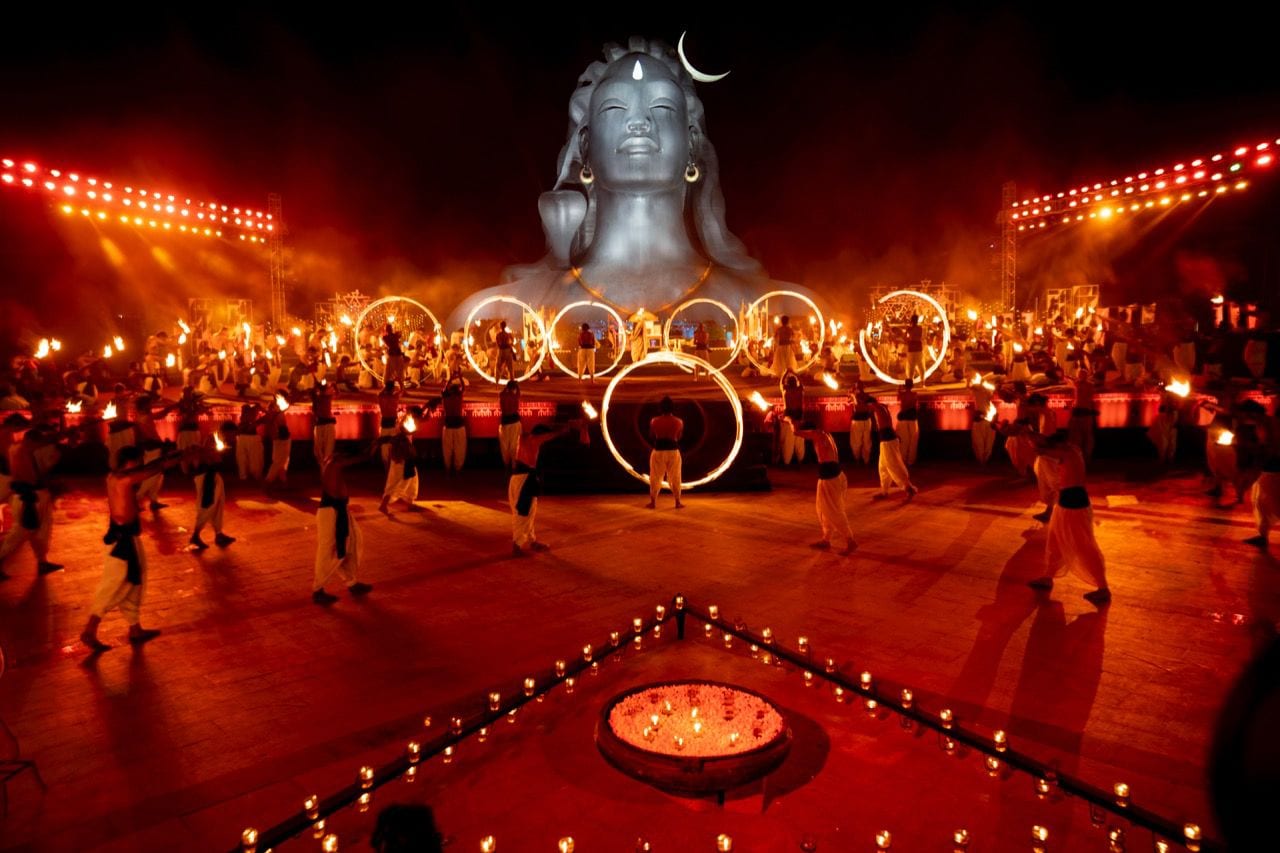
The city of Varanasi is steeped in spiritual significance and comes alive with rituals and celebrations during Maha Shivaratri. The festival is dedicated to Lord Shiva, and locals believe that the night of Shivaratri is when Lord Shiva performed the cosmic dance of creation, preservation, and destruction. Devotees gather at temples, particularly the famous Kashi Vishwanath Temple, to offer prayers and perform Shiva Abhishekam (ritualistic bathing of the idol).

Throughout the night, people observe fasting, chant mantras, and light oil lamps. The Ghats of Varanasi—especially Dashashwamedh Ghat—are adorned with thousands of lamps, creating a magical, spiritual ambiance. Pilgrims also participate in Ganga Aarti, a mesmerizing ceremony at sunset, offering prayers to the sacred river.

You can expect:

  • Traditional Music and Dance: Cultural performances, including devotional music and classical dance, take place throughout the city.
  • Processions: Various processions are organized, often featuring devotees chanting the name of Lord Shiva, playing traditional drums, and dancing in reverence.

Top FAQs About Maha Shivaratri in Varanasi

1. What is the significance of Maha Shivaratri? Maha Shivaratri, or the "Great Night of Shiva," is a Hindu festival celebrated in honor of Lord Shiva. It is believed that on this night, Lord Shiva performed the cosmic dance, and devotees pray for prosperity, protection, and spiritual enlightenment.

2. What can I do during Maha Shivaratri in Varanasi? You can visit the Kashi Vishwanath Temple, take part in the Ganga Aarti, join the night-long vigils, and witness various cultural performances and processions around the city.

3. Is it necessary to fast during Maha Shivaratri? Fasting is a common practice during Maha Shivaratri. Many devotees observe a strict fast, which includes abstaining from food and water, while others follow a less intense fasting routine. It’s completely voluntary.

4. What is the best way to witness the cultural events in Varanasi? The best way to experience the cultural celebrations is to visit the Ghats, particularly Dashashwamedh Ghat, where the most prominent events are held. Arriving early ensures a good spot to witness the Ganga Aarti and other festivities.

5. How crowded does Varanasi get during Maha Shivaratri? Varanasi becomes very crowded during Maha Shivaratri as thousands of pilgrims and tourists gather to take part in the festivities. Make sure to book accommodations and transport well in advance to avoid last-minute hassles.

6. Are there any special rituals during the night of Maha Shivaratri? Yes, the night is filled with several important rituals, including night-long prayers, Shiva Abhishekam, and chanting of mantras. Some temples also organize special rituals where devotees can participate in the worship of Lord Shiva.


Conclusion

Maha Shivaratri in Varanasi is an unforgettable experience for any traveler looking to immerse themselves in India’s spiritual culture. The city’s unique energy, combined with its historical and religious significance, creates a magical atmosphere that attracts visitors from all over the world. Whether you're there for the rituals, the cultural festivities, or simply to witness the spectacle, Varanasi during Maha Shivaratri is something you’ll cherish for a lifetime.

Make sure to plan your trip during the festival season, and don’t miss the chance to witness the spiritual rituals and cultural celebrations that make Varanasi one of the most iconic destinations in India.

Popular Posts