Showing posts with label Cultural festivals in India. Show all posts

Makar Sankranti in India: A Complete Travel Guide to India’s Vibrant Cultural Festival

Makar Sankranti (Nationwide): Cultural Festivals in India

India is a land of diversity, and its festivals are an embodiment of its rich culture, traditions, and heritage. One of the most anticipated festivals is Makar Sankranti, a joyous occasion celebrated across the country with regional variations. Makar Sankranti marks the transition of the sun into Capricorn (Makar Rashi), bringing with it the onset of longer days and the beginning of the harvest season. This festival holds a special place in the hearts of millions, offering an array of celebrations, rituals, and events, making it a fantastic time to explore various parts of India. Let’s dive into everything you need to know about Makar Sankranti, from the best destinations to visit to how you can be part of this cultural extravaganza.

Best Time to Visit for Makar Sankranti Celebrations

The best time to visit India for Makar Sankranti is in January, as the festival is traditionally celebrated on January 14th every year. The date may vary slightly based on the solar calendar, but it generally falls around this time. For those wanting to experience the festival in full swing, plan your trip for the days leading up to Makar Sankranti to witness the vibrant cultural activities, kite-flying festivals, bonfires, and feasts that are an integral part of this celebration. The weather across India in January is generally pleasant, making it an ideal time for travel.

How to Reach Makar Sankranti Festival Locations

Makar Sankranti is celebrated nationwide, and each region has its unique way of commemorating the occasion. Whether you plan to experience the festival in the vibrant state of Gujarat, the kites of Jaipur, or the colorful celebrations of Maharashtra, you can easily access these locations by:

  1. Air Travel: Most major cities in India such as Delhi, Mumbai, Ahmedabad, Jaipur, and Chennai have international and domestic airports. You can book flights to these cities and then travel by local transportation to the nearby towns or rural areas where the festival is celebrated.

  2. Train Travel: Indian Railways connects every corner of the country, making it convenient to travel to any of the famous Makar Sankranti destinations. Trains are an affordable and immersive way to travel across India.

  3. Bus/Car Travel: If you're traveling within the region, buses and private car rentals can take you directly to your festival destination. Road trips are also an excellent way to enjoy the scenic beauty of India as you make your way to your chosen festival.

Top Destinations to Celebrate Makar Sankranti in India

  1. Gujarat – The Kite Festival (Uttarayan) Gujarat is known for its grand celebrations of Makar Sankranti, especially the famous Uttarayan festival. People flock to Ahmedabad to witness one of the world's largest kite festivals, where skies are filled with colorful kites. It’s a sight to behold!

  2. Jaipur, Rajasthan – The Kite Festival Jaipur, the capital of Rajasthan, also holds a vibrant Kite Festival during Makar Sankranti. Apart from kite flying, you can also experience traditional dance, music, and local delicacies, making it a cultural delight.

  3. Maharashtra – Sankranti with Tilgul In Maharashtra, the festival is celebrated with the exchange of tilgul (sesame and jaggery), symbolizing sweetness in relationships. You can experience the celebrations in Pune and Mumbai, where people come together for community bonfires and family gatherings.

  4. Punjab – Lohri and Makar Sankranti In Punjab, Makar Sankranti coincides with the festival of Lohri. Bonfires are lit, and traditional dances like Bhangra and Gidda fill the air with energy. If you are looking for an immersive cultural experience, Punjab is a fantastic destination.

  5. Uttar Pradesh – Kumbh Mela in Prayagraj While Kumbh Mela is a massive event that happens every 12 years, Makar Sankranti is the time when millions of devotees gather for a holy dip in the Ganga at Prayagraj. It’s a significant pilgrimage site that attracts pilgrims and visitors from across the world.

  6. Tamil Nadu – Pongal Celebrations In the southern part of India, especially in Tamil Nadu, Makar Sankranti is celebrated as Pongal, a harvest festival. The festivities include the preparation of traditional foods, decorated homes, and outdoor feasts.

Top FAQs About Makar Sankranti in India

1. When is Makar Sankranti celebrated? Makar Sankranti is usually celebrated on January 14th, but the date can slightly vary based on the solar calendar.

2. What are the major activities during Makar Sankranti? The key activities include kite flying, bonfires, community feasts, traditional dances, and the exchange of sweets like tilgul (sesame and jaggery).

3. Where can I go to experience the best Makar Sankranti celebrations? Popular destinations for Makar Sankranti celebrations include Gujarat, Rajasthan, Maharashtra, Punjab, Uttar Pradesh, and Tamil Nadu.

4. How can I reach the locations of Makar Sankranti celebrations? You can reach the festival locations by air, train, or road. Major cities have domestic and international airports, and Indian Railways connects the entire country.

5. What is the significance of Makar Sankranti in Indian culture? Makar Sankranti marks the transition of the sun into Capricorn and signifies the beginning of the harvest season. It’s a festival of new beginnings, renewal, and joy.

6. Is Makar Sankranti celebrated differently in different regions? Yes, Makar Sankranti has regional variations. For instance, it’s known as Uttarayan in Gujarat, Pongal in Tamil Nadu, and Lohri in Punjab.

Conclusion

Makar Sankranti is a time of joy, celebration, and cultural unity across India. From the soaring kites of Gujarat to the festive bonfires of Punjab, the vibrant celebrations of this festival offer an exciting way to experience India's diverse cultures. Whether you're interested in witnessing traditional dances, indulging in local food, or simply soaking in the festive atmosphere, India is the perfect place to celebrate this special occasion. So, plan your trip and experience the magic of Makar Sankranti firsthand!

Happy travels, and may your Makar Sankranti be filled with joy and blessings!

Maha Shivaratri in Varanasi: A Spiritual and Cultural Festival in India

Maha Shivaratri in Varanasi: A Spiritual and Cultural Extravaganza

India is home to a vast array of cultural and spiritual festivals, but none is as mesmerizing as Maha Shivaratri in Varanasi. Known as the spiritual capital of India, Varanasi becomes the center of devotion, rituals, and celebrations during this significant festival dedicated to Lord Shiva. If you’ve ever dreamt of immersing yourself in an authentic cultural experience, visiting Varanasi during Maha Shivaratri should definitely be on your list.

In this article, we will walk you through the best time to visit, how to reach Varanasi, and answer some of the most frequently asked questions about this awe-inspiring celebration.


Best Time to Visit Varanasi for Maha Shivaratri

The best time to visit Varanasi for Maha Shivaratri is typically in February or March. This is when the festival usually takes place, based on the Hindu lunar calendar. The festival falls on the 14th night of the new moon during the month of Phalguna. The weather during this time is mild and pleasant, making it an ideal period for sightseeing and participating in the festive activities.

It’s important to note that Maha Shivaratri attracts thousands of pilgrims, so if you plan to visit during this period, it’s recommended to book accommodations in advance.


How to Reach Varanasi

Varanasi is well-connected by air, rail, and road, making it easy to travel from major cities in India and internationally.

  1. By Air:

    • Lal Bahadur Shastri International Airport (VNS) serves as the main airport for Varanasi, with direct flights from cities like Delhi, Mumbai, Kolkata, and even international destinations like Bangkok.
    • From the airport, you can take a taxi or pre-arranged transport to your hotel.
  2. By Train:

    • Varanasi Junction (BSB) is one of the busiest railway stations in India, with direct trains connecting it to cities across the country, including Delhi, Kolkata, and Mumbai. The train journey provides a great opportunity to enjoy scenic views of the Indian countryside.
  3. By Road:

    • Varanasi is well-connected by buses and highways to major cities in Uttar Pradesh and neighboring states. You can also hire a private car or taxi from nearby cities for more comfort.

Maha Shivaratri Celebrations in Varanasi: What to Expect

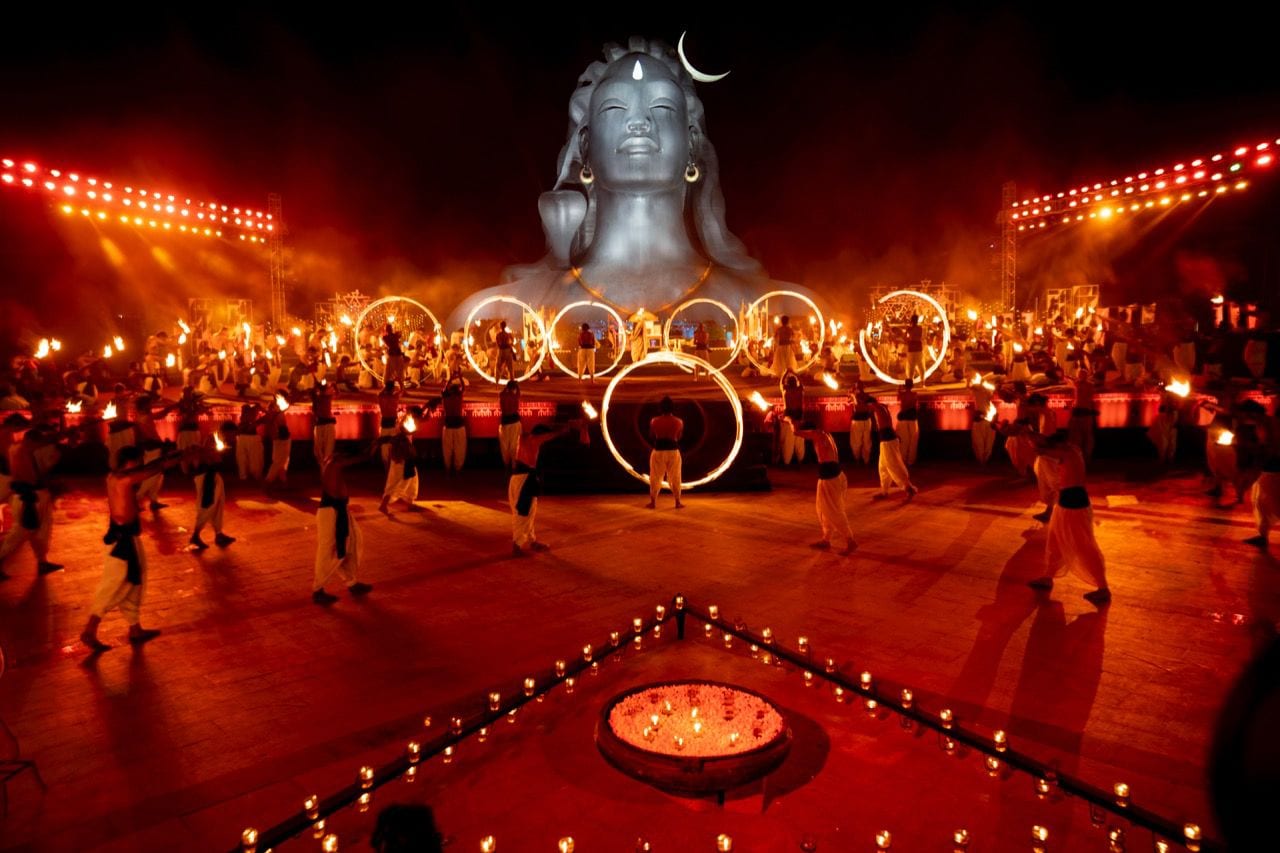
The city of Varanasi is steeped in spiritual significance and comes alive with rituals and celebrations during Maha Shivaratri. The festival is dedicated to Lord Shiva, and locals believe that the night of Shivaratri is when Lord Shiva performed the cosmic dance of creation, preservation, and destruction. Devotees gather at temples, particularly the famous Kashi Vishwanath Temple, to offer prayers and perform Shiva Abhishekam (ritualistic bathing of the idol).

Throughout the night, people observe fasting, chant mantras, and light oil lamps. The Ghats of Varanasi—especially Dashashwamedh Ghat—are adorned with thousands of lamps, creating a magical, spiritual ambiance. Pilgrims also participate in Ganga Aarti, a mesmerizing ceremony at sunset, offering prayers to the sacred river.

You can expect:

  • Traditional Music and Dance: Cultural performances, including devotional music and classical dance, take place throughout the city.
  • Processions: Various processions are organized, often featuring devotees chanting the name of Lord Shiva, playing traditional drums, and dancing in reverence.

Top FAQs About Maha Shivaratri in Varanasi

1. What is the significance of Maha Shivaratri? Maha Shivaratri, or the "Great Night of Shiva," is a Hindu festival celebrated in honor of Lord Shiva. It is believed that on this night, Lord Shiva performed the cosmic dance, and devotees pray for prosperity, protection, and spiritual enlightenment.

2. What can I do during Maha Shivaratri in Varanasi? You can visit the Kashi Vishwanath Temple, take part in the Ganga Aarti, join the night-long vigils, and witness various cultural performances and processions around the city.

3. Is it necessary to fast during Maha Shivaratri? Fasting is a common practice during Maha Shivaratri. Many devotees observe a strict fast, which includes abstaining from food and water, while others follow a less intense fasting routine. It’s completely voluntary.

4. What is the best way to witness the cultural events in Varanasi? The best way to experience the cultural celebrations is to visit the Ghats, particularly Dashashwamedh Ghat, where the most prominent events are held. Arriving early ensures a good spot to witness the Ganga Aarti and other festivities.

5. How crowded does Varanasi get during Maha Shivaratri? Varanasi becomes very crowded during Maha Shivaratri as thousands of pilgrims and tourists gather to take part in the festivities. Make sure to book accommodations and transport well in advance to avoid last-minute hassles.

6. Are there any special rituals during the night of Maha Shivaratri? Yes, the night is filled with several important rituals, including night-long prayers, Shiva Abhishekam, and chanting of mantras. Some temples also organize special rituals where devotees can participate in the worship of Lord Shiva.


Conclusion

Maha Shivaratri in Varanasi is an unforgettable experience for any traveler looking to immerse themselves in India’s spiritual culture. The city’s unique energy, combined with its historical and religious significance, creates a magical atmosphere that attracts visitors from all over the world. Whether you're there for the rituals, the cultural festivities, or simply to witness the spectacle, Varanasi during Maha Shivaratri is something you’ll cherish for a lifetime.

Make sure to plan your trip during the festival season, and don’t miss the chance to witness the spiritual rituals and cultural celebrations that make Varanasi one of the most iconic destinations in India.

Baisakhi Festival in Punjab: Celebrating Culture, Harvest, and Traditions


Baisakhi Festival in Punjab: A Cultural Celebration of Harvest, Joy, and Traditions

Punjab, a state known for its vibrant culture, energetic dances, and rich heritage, celebrates the Baisakhi festival with immense enthusiasm and devotion every year. This cultural festival, deeply rooted in tradition, marks the beginning of the harvest season and holds significant historical and spiritual value. If you're planning a trip to experience one of India’s most celebrated cultural festivals, Baisakhi in Punjab is a must-see. Here’s everything you need to know about this beautiful festival, including the best time to visit, how to reach Punjab, and answers to some top frequently asked questions.

What is Baisakhi Festival?

Baisakhi, also known as Vaisakhi, is celebrated on the first day of the month of Baisakh (usually April 13th or 14th). It holds great significance for both the agricultural community and the Sikh religion. For farmers in Punjab, Baisakhi marks the onset of the new harvest season, a time for thanksgiving and prayer for a bountiful crop. For Sikhs, it commemorates the formation of the Khalsa in 1699 by Guru Gobind Singh, a defining moment in Sikh history.

Best Time to Visit Baisakhi Festival in Punjab

The best time to visit Punjab for the Baisakhi festival is in mid-April when the festival is celebrated. The dates can vary slightly depending on the lunar calendar, but it typically falls around April 13th or 14th. During this time, the weather in Punjab is pleasant, with mild temperatures and clear skies, making it ideal for outdoor festivities and cultural events.

How to Reach Punjab for the Baisakhi Festival

Getting to Punjab for the Baisakhi festival is relatively easy, thanks to its well-connected transportation infrastructure. Here are the best ways to reach Punjab:

  • By Air: The main international airport in Punjab is the Sri Guru Ram Dass Jee International Airport in Amritsar. This airport is well-connected with major Indian cities as well as international destinations. From Amritsar, you can easily travel to other cities in Punjab, including Ludhiana, Jalandhar, and Patiala.

  • By Train: Punjab has an extensive railway network that connects to most major cities in India. Amritsar, Ludhiana, and Jalandhar are key railway hubs. Trains from Delhi, Mumbai, Kolkata, and other major cities run regularly to Punjab.

  • By Road: Punjab is well-connected by road to neighboring states. You can easily hire a taxi, take a bus, or rent a car from nearby cities like Delhi, Chandigarh, or Haridwar to reach your destination.

Top FAQs About Baisakhi Festival in Punjab

  1. What are the main activities during Baisakhi? Baisakhi is marked by religious processions, vibrant folk dances like Bhangra and Gidda, fairs, and community prayers. People visit Gurdwaras (Sikh temples) for prayers, offer gratitude for the harvest, and enjoy cultural performances.

  2. What are the major cities to experience Baisakhi celebrations? Major cities like Amritsar, Ludhiana, Jalandhar, and Patiala offer the most prominent Baisakhi celebrations. Amritsar is especially famous for its grand events, particularly around the Golden Temple.

  3. Can I participate in the Baisakhi celebrations? Absolutely! Visitors are encouraged to join in the festivities. You can watch cultural performances, enjoy traditional Punjabi food, and even participate in Bhangra and Gidda dances. Just ensure to respect local traditions and customs.

  4. What is the cultural significance of Baisakhi for Sikhs? For Sikhs, Baisakhi is a momentous occasion as it marks the day in 1699 when Guru Gobind Singh Ji created the Khalsa, a collective body of baptized Sikhs, symbolizing spiritual unity and equality.

  5. What should I wear to the Baisakhi festival? Traditional Punjabi attire, such as salwar kameez for women and kurta-pajama for men, is ideal for participating in the festival’s activities. If visiting Gurdwaras, modest clothing covering your arms and legs is preferred. Also, don’t forget to wear comfortable shoes since there will be a lot of walking during the celebrations.

  6. Is Baisakhi celebrated only in Punjab? While Baisakhi has special significance in Punjab, it is celebrated across India, especially in Haryana, Himachal Pradesh, and parts of Uttar Pradesh. Sikhs across the world also observe it as a religious occasion.

What to Do During the Baisakhi Festival in Punjab

  • Visit the Golden Temple in Amritsar: The Golden Temple, the holiest Sikh gurdwara, is at the heart of Baisakhi celebrations. The festivities here include prayers, processions, and langar (community meals). The temple complex is beautifully illuminated during Baisakhi.

  • Attend Cultural Events: The streets of Punjab come alive with colorful processions, music, and dance. Don’t miss out on witnessing the energetic Bhangra and Gidda performances, traditional folk dances of Punjab.

  • Explore Punjabi Cuisine: Experience the rich flavors of Punjabi cuisine at local food stalls and restaurants during the festival. Treat yourself to dishes like sarson da saag, makki di roti, chole bhature, and lassi.

  • Take Part in Rural Celebrations: For an authentic experience, visit rural villages where Baisakhi is celebrated with traditional fervor. The celebrations in the countryside are often more intimate and include bonfires, singing, and dancing.

Conclusion

Baisakhi in Punjab is a time of joy, spirituality, and cultural expression. It brings together people from all walks of life, from farmers celebrating a bountiful harvest to Sikhs honoring their history and faith. Whether you're traveling to immerse yourself in the lively celebrations, learn about Sikh culture, or simply enjoy the beauty of Punjab, Baisakhi promises an unforgettable experience.

Plan your trip for mid-April, and get ready to be part of this vibrant and meaningful cultural festival!

Onasadya: The Ultimate Grand Feast Celebrating Onam Festival in Kerala – A Must-Experience Cultural Festival

Experience Onasadya: The Grand Feast and Cultural Delights of Onam in Kerala

Onasadya, one of the most significant cultural highlights of Kerala, is a grand feast that celebrates the much-loved Onam festival. This vibrant and jubilant celebration is the epitome of Kerala's rich cultural heritage, bringing together food, rituals, and the spirit of togetherness. If you're looking to dive into the heart of Kerala’s traditions and explore a culinary adventure like no other, the Onasadya feast during Onam is a must-experience event!

What is Onasadya?

Onasadya is a grand, multi-course feast that takes center stage during Onam, the harvest festival celebrated in Kerala. It is traditionally served on a banana leaf and consists of a wide variety of dishes, each representing the state’s culinary diversity. Onam is the time when Keralites pay homage to King Mahabali, whose spirit is believed to return to Kerala during this festival. Onasadya, as part of the Onam celebration, reflects the essence of Kerala’s rich agricultural traditions and the abundance of harvest.

The feast typically features over 20 dishes, including rice, sambar, avial (a mixed vegetable dish), thoran, kalan, pachadi, and an array of desserts, such as payasam (sweet rice pudding). Every dish has its own symbolic meaning, and the flavors range from spicy to sweet, ensuring that every bite is a true reflection of Kerala’s culinary mastery.

Best Time to Visit Kerala for Onasadya:

The best time to visit Kerala for Onasadya is during the Onam festival, which typically falls in August or September. Onam lasts for ten days, with the grand Onasadya feast usually served on the final day, known as Thiruvonam. This is when you’ll find the most elaborate celebrations taking place across the state.

While the Onasadya feast itself is on Thiruvonam, the entire Onam festival period offers visitors a chance to immerse themselves in various cultural activities, including boat races, dance performances (like Kathakali), floral decorations (Pookalam), and processions.

How to Reach Kerala for Onasadya:

Kerala is well-connected both by air and rail, making it easy for travelers to reach the state during the Onam festival.

  1. By Air: Kerala has three international airports – Trivandrum International Airport (Thiruvananthapuram), Cochin International Airport, and Calicut International Airport (Kozhikode). These airports are well-connected to major cities around the world, so you can easily find a flight to Kerala.

  2. By Train: Kerala has an extensive railway network, and travelers can take trains from major cities like Delhi, Chennai, Bengaluru, and Mumbai. The train journey to Kerala offers picturesque views of the Western Ghats and the Arabian Sea.

  3. By Road: Kerala is accessible by road from nearby states like Tamil Nadu, Karnataka, and Andhra Pradesh. You can hire a taxi or rent a car to drive to your destination.

Once you arrive, the local transport system (taxis, auto-rickshaws, and buses) is very convenient for traveling around the state.

Top FAQs about Onasadya and Onam Festival in Kerala:

1. What does Onasadya consist of? Onasadya is a traditional feast that includes a wide array of vegetarian dishes, including rice, sambar, avial, thoran, pickle, and several desserts like payasam. The meal is traditionally served on a banana leaf.

2. Can I participate in an Onasadya feast as a tourist? Yes, many hotels, resorts, and local restaurants offer Onasadya for tourists during the Onam festival. Some cultural centers and temples also invite visitors to join in the feast to experience the local traditions.

3. What is the significance of Onasadya? Onasadya is more than just a meal; it represents the unity of Keralites, the bounty of the harvest season, and a tribute to King Mahabali. Each dish served in the feast holds cultural and spiritual significance.

4. What are the best places to visit in Kerala during Onam? Some of the best places to experience Onam in Kerala are Kochi, Alleppey, Trivandrum, and Kottayam, where the Onasadya feast is widely celebrated along with various cultural events.

5. How long does the Onam festival last? Onam is a ten-day festival, with the main celebrations peaking on Thiruvonam (the last day). However, the Onasadya feast is primarily enjoyed on this final day.

6. What is the dress code for Onasadya? Traditional Kerala attire is encouraged for the Onasadya celebration. Men usually wear mundu (a traditional white cloth) and women wear kasavu sarees (white saree with gold borders). However, most tourists are not required to follow this dress code, but it is part of the festive spirit!

Conclusion:

Onasadya is more than just a meal; it’s an invitation to experience the cultural richness of Kerala and its culinary delights. If you're planning to visit Kerala during Onam, don't miss the chance to indulge in the grand feast, which offers a taste of Kerala's history, culture, and traditions. The best time to visit Kerala for Onasadya is during the Onam festival, and traveling to the state is made easy with great connectivity options. Whether you're enjoying the feast or taking part in the various cultural festivities, Onasadya is an unforgettable experience that highlights the hospitality and warmth of Kerala’s people.

Pookalam (Floral Art): Onam Festival in Kerala - Explore Pookalam Designs and Cultural Festivals


Onam Festival in Kerala: Discover Pookalam and Cultural Festivities

Kerala, a tropical paradise on the southwestern coast of India, is known for its stunning landscapes, serene backwaters, and vibrant festivals. One of the most significant and visually spectacular festivals in Kerala is Onam, celebrated by Keralites across the world. Onam, a harvest festival, marks the homecoming of the mythical King Mahabali and is a time for family gatherings, cultural performances, and, of course, the famous Pookalam.

Pookalam, a mesmerizing floral design, is an integral part of the Onam festival, creating stunning patterns and shapes made from colorful flowers that decorate homes and public spaces. The beauty of these designs lies not just in their colors but also in the symbolism behind them, celebrating the prosperity and well-being of the land. If you are keen on exploring the rich cultural heritage of Kerala, Onam offers a fantastic opportunity to witness traditional art forms, culinary delights, and the hospitality of this incredible state.


Best Time to Visit Kerala for Onam Festival

The Onam festival typically takes place in August or September, depending on the timing of the Malayalam calendar. The festival lasts for ten days, culminating on Thiruvonam, the most important day of the celebration. The best time to visit Kerala for the Onam festivities is during this period, as the entire state comes alive with celebrations, from local Pookalam competitions to elaborate feasts known as Onam Sadya.

  • Peak Season: The festival season is one of the busiest times in Kerala. If you want to experience the cultural richness of the festival, visiting in the days leading up to Thiruvonam will offer the most immersive experience. The streets and homes are filled with vibrant Pookalam designs, traditional dance performances like Kathakali and Mohiniyattam, and much more.

  • Weather: The weather in Kerala during Onam is quite humid, with a tropical climate. While the monsoon season ends before the festival, some light rain may still occur, adding to the lush, green surroundings of Kerala.


How to Reach Kerala for the Onam Festival

Kerala is well-connected by air, rail, and road, making it easy for tourists to plan their visit for Onam.

  • By Air: The major international airport in Kerala is Cochin International Airport (COK), which connects the state to major cities around the world. There are also airports in Trivandrum (Thiruvananthapuram) and Kochi, making it easy to travel within the state.

  • By Train: Kerala has a well-established railway network, with major railway stations in cities like Kochi, Trivandrum, and Kottayam. The Southern Railway serves as the primary railway zone for Kerala, providing convenient access for travelers from other parts of India.

  • By Road: Kerala is accessible via national highways and state roads. You can take a road trip through the scenic routes of Kerala or opt for inter-state buses that connect cities like Bangalore, Chennai, and Mumbai to Kerala.


Top FAQs About Onam and Pookalam Festival

  1. What is Pookalam?

    • Pookalam refers to intricate floral designs made during the Onam festival. It is a traditional art form where various flowers are arranged on the ground in circular patterns to create beautiful designs that symbolize prosperity and welcome the King Mahabali.
  2. When is Onam celebrated?

    • Onam is celebrated annually during the Malayalam month of Chingam (usually August-September). The main day of the festival, Thiruvonam, marks the culmination of the ten-day celebrations.
  3. What is Onam Sadya?

    • Onam Sadya is a traditional feast that consists of a wide variety of vegetarian dishes served on a banana leaf. It is an important part of Onam celebrations, showcasing Kerala’s rich culinary heritage.
  4. Where can I see the best Pookalam designs?

    • The best Pookalam designs can be seen in cities like Kochi, Thiruvananthapuram, and Kottayam, as well as in rural areas, where local communities often organize competitions. Public parks and temples also feature impressive floral patterns during Onam.
  5. Are there any cultural events during Onam?

    • Yes! Onam is filled with traditional dance performances like Kathakali and Mohiniyattam, Vallam Kali (boat races), Pulikali (tiger dance), and various other cultural activities.
  6. Can I visit Kerala for Onam as a tourist?

    • Absolutely! Kerala’s hospitality is world-renowned, and Onam is a wonderful time for tourists to experience the state’s traditions, food, and cultural performances.

Conclusion

Onam is more than just a festival—it’s a celebration of Kerala’s vibrant culture, traditions, and sense of community. From the colorful Pookalam floral designs to the joyous Onam Sadya feast and exciting cultural performances, Onam in Kerala offers an unforgettable experience. Whether you are a culture enthusiast, a foodie, or simply someone looking to immerse themselves in a unique celebration, Onam is the perfect time to explore this beautiful state.

So, pack your bags and head to Kerala for the grand Onam festival to witness one of India’s most beloved cultural celebrations!

Vallam Kali (Boat Races): A Must-See Cultural Tradition of Onam Festival in Kerala

Vallam Kali: The Thrilling Boat Races of Kerala During Onam Festival

The Onam festival in Kerala is a time of grandeur, joy, and traditional celebrations that highlight the rich cultural heritage of the state. Among the many vibrant events, Vallam Kali, or the traditional Kerala boat races, take center stage, captivating both locals and tourists alike. This annual event, held during Onam, is a spectacle of skill, strength, and unity. Let’s take a deep dive into the world of Vallam Kali and discover what makes it one of the most exciting cultural festivals in India.

What is Vallam Kali?

Vallam Kali, literally translated as "boat race" in Malayalam, is a thrilling and competitive race held in the backwaters of Kerala. It is a centuries-old tradition that takes place during the Onam festival, which is celebrated in August or September, depending on the Malayalam calendar. The races are a key component of Kerala’s vibrant festival, symbolizing the spirit of teamwork, unity, and cultural pride.

The most famous of these boat races is the Nehru Trophy Boat Race, held annually on the Punnappra Lake in Alappuzha, but boat races can be witnessed across Kerala’s serene backwaters and rivers.

The Significance of Vallam Kali in Onam Festival

Vallam Kali holds significant cultural value in Kerala’s heritage. The races are believed to have originated as a tribute to the legendary King Mahabali, whose reign is celebrated during Onam. The grand races not only honor the king but also celebrate the prosperous harvest season. The sight of long, colorful canoes racing through the shimmering waters, accompanied by enthusiastic cheers, is a visual spectacle that attracts thousands of visitors each year.

Best Time to Visit for Vallam Kali

The best time to visit Kerala for the Vallam Kali boat races is during the Onam festival, which usually falls in the months of August or September. The festival lasts for 10 days, with the boat races typically taking place towards the end. Visitors can enjoy the peak of the festive spirit, witness traditional dance performances, feast on delicious Onam Sadya (traditional Kerala meal), and of course, cheer for the boats as they race to victory.

For those planning to experience the boat races, try to visit in the first two weeks of September when the weather is pleasant and the races are in full swing.

How to Reach Kerala for Vallam Kali

By Air: The nearest airport to Alappuzha (where the famous Nehru Trophy Boat Race is held) is Cochin International Airport (COK), located about 75 km away. The Trivandrum International Airport (TRV) is another option, located about 150 km south of Alappuzha. Both airports are well-connected to major cities in India and abroad.

By Train: Alappuzha has a well-connected railway station, and you can take trains from Kochi, Kottayam, or Trivandrum to reach the town easily. The Ernakulam Junction is another major railway station located around 60 km from Alappuzha.

By Road: Kerala has a robust network of buses and well-maintained roads. You can easily hire a taxi or rent a car to reach the boat race venues. Public buses are also available from nearby cities like Kochi, Kottayam, and Trivandrum.

Top FAQs about Vallam Kali

1. What is the significance of Vallam Kali? Vallam Kali, or Kerala boat races, is an integral part of the Onam festival and symbolizes unity, teamwork, and Kerala’s agricultural heritage. The races are held in honor of King Mahabali, who is believed to visit Kerala during Onam.

2. How many types of boats are used in Vallam Kali? There are different types of boats used in Vallam Kali, such as the Chundan Vallam (snake boats), Iruttukuthi, Veppu Vallam, and Kochu Vallam, each varying in size and design.

3. When is the Nehru Trophy Boat Race held? The Nehru Trophy Boat Race is held on the second Saturday of August every year. It is one of the most popular and prestigious boat races in Kerala, attracting tourists from all over the world.

4. Can I participate in the Vallam Kali? While the races themselves are competitive and usually feature local oarsmen, you can witness the action and even try a boat ride in some regions of Kerala. Many locations offer tourists the chance to take part in a serene backwater cruise.

5. What is the best place to watch Vallam Kali? The most famous location is Alappuzha (Alleppey) for the Nehru Trophy Boat Race, but you can also watch boat races in places like Kottayam, Kumarakom, and Pathiramanal. Each location offers its own unique viewing experience.

Why Should You Attend Vallam Kali?

  1. Cultural Experience: Vallam Kali is more than just a race; it’s a celebration of Kerala's rich culture and traditions.
  2. Stunning Scenery: The boat races are held on Kerala’s serene backwaters, offering a visual treat.
  3. Exciting Festivities: Onam celebrations include cultural performances, feasts, and various traditional activities that give you a deeper understanding of Kerala’s vibrant lifestyle.
  4. Adrenaline Rush: The intense competition, combined with synchronized rowing, creates an exhilarating experience for spectators.

Conclusion

If you're a culture enthusiast, a lover of adventure, or simply looking to witness a truly unique spectacle, Vallam Kali during Onam should be on your bucket list. The boat races capture the spirit of Kerala, making it an unforgettable experience for all who attend. Plan your trip to Kerala around Onam, and you’ll be treated to not just the thrill of the races but also the beauty of Kerala’s culture, people, and landscapes.

Make sure to plan ahead, secure your accommodations early, and get ready to enjoy the festivity of Vallam Kali!

Top 10 Cultural Festivals in India: A Traveler’s Guide to India’s Most Iconic Celebrations

Cultural Festivals in India: A Traveler’s Guide to Vibrant Celebrations

India is a country of diverse cultures, languages, and traditions, and its festivals reflect this incredible variety. From the spirited colors of Holi to the spiritual fervor of Kumbh Mela, cultural festivals in India are an essential part of the country’s rich heritage. Here’s a guide to some of the most iconic festivals celebrated across India, their best times to visit, how to reach them, and answers to frequently asked questions about these grand celebrations. Also Read Top Travel Destinations in India: Discover the Best Experiences Across Travel and Tourism Categories

1. Kumbh Mela (Allahabad)

Best Time to Visit: January–February (every 12 years)
How to Reach:

  • By Air: Nearest airport: Prayagraj Airport (10 km).
  • By Train: Allahabad Junction is the nearest railway station.
  • By Road: Accessible via buses and taxis from major cities.

Overview:
The Kumbh Mela is the world’s largest religious gathering, taking place every 12 years in Allahabad (Prayagraj). Devotees come to bathe in the holy confluence of the Ganga, Yamuna, and the mythical Sarasvati river to cleanse themselves of sins. Explore Kumbh Mela


2. Diwali (Nationwide)

Best Time to Visit: October–November
How to Reach:

  • By Air: Most major cities across India have international airports.
  • By Train: Major cities are well-connected by rail.
  • By Road: Road networks are well-developed across India.

Overview:
Known as the Festival of Lights, Diwali celebrates the victory of good over evil. The entire country is illuminated with oil lamps, fireworks, and colorful decorations. It’s the perfect time to experience the warmth of Indian hospitality. Explore Diwali


3. Holi (Mathura, Vrindavan)

Best Time to Visit: March
How to Reach:

  • By Air: Agra Airport (50 km from Mathura).
  • By Train: Mathura Junction is the nearest railway station.
  • By Road: Buses and taxis are available from Delhi and Agra.

Overview:
Holi, the festival of colors, is most spectacular in Mathura and Vrindavan, where the festival is celebrated with fervor and joy. Expect an explosion of color as people drench each other in powdered colors and water balloons. Explore Holi


4. Durga Puja (Kolkata)

Best Time to Visit: September–October
How to Reach:

  • By Air: Netaji Subhas Chandra Bose International Airport.
  • By Train: Kolkata is well connected via Howrah Junction.
  • By Road: Well-developed road network to Kolkata.

Overview:
Durga Puja is a grand celebration in Kolkata, where elaborately crafted idols of Goddess Durga are paraded, and festivities last for several days. The vibrant pandals (temporary temples) and the sound of dhak (traditional drums) create an unforgettable atmosphere. Explore Durga Puja

5. Navratri (Gujarat)

Best Time to Visit: September–October
How to Reach:

  • By Air: Sardar Vallabhbhai Patel International Airport, Ahmedabad.
  • By Train: Major stations like Ahmedabad, Surat, and Vadodara.
  • By Road: Gujarat is well-connected by road.

Overview:
Navratri in Gujarat is known for its Garba and Dandiya dances. People gather in large numbers to perform these dances in vibrant attire, making it one of the most colorful and energetic festivals. Explore Navratri


6. Onam (Kerala)

Best Time to Visit: August–September
How to Reach:

  • By Air: Cochin International Airport.
  • By Train: Ernakulam Junction is the nearest station.
  • By Road: Kerala is well-connected by roads.

Overview:
Onam is a harvest festival celebrated with grand feasts, floral decorations, boat races, and the iconic Onam Sadhya (a traditional meal). The boat races, in particular, are a major highlight. Explore Onam


7. Pongal (Tamil Nadu)

Best Time to Visit: January
How to Reach:

  • By Air: Chennai International Airport.
  • By Train: Chennai Central is a key station.
  • By Road: Tamil Nadu has a well-developed road network.

Overview:
Pongal is a festival of thanksgiving for a good harvest. People in Tamil Nadu celebrate by preparing the traditional Pongal dish and participating in outdoor events like bullock cart races. Explore Pongal


8. Baisakhi (Punjab)

Best Time to Visit: April
How to Reach:

  • By Air: Sri Guru Ram Dass Jee International Airport, Amritsar.
  • By Train: Amritsar Junction.
  • By Road: Punjab is well-connected by road.

Overview:
Baisakhi marks the harvest season in Punjab and also celebrates the foundation of the Khalsa Panth. The day is filled with vibrant Gidda and Bhangra dances, traditional music, and religious celebrations. Explore Baisakhi


9. Maha Shivaratri (Varanasi)

Best Time to Visit: February–March
How to Reach:

  • By Air: Lal Bahadur Shastri Airport, Varanasi.
  • By Train: Varanasi Junction is a major railway station.
  • By Road: Varanasi has good road connectivity.

Overview:
Maha Shivaratri is celebrated in honor of Lord Shiva. Varanasi, the spiritual heart of India, sees devotees fasting and praying throughout the night, and temples are illuminated, creating a magical atmosphere. Explore Maha Shivaratri


10. Makar Sankranti (Nationwide)

Best Time to Visit: January
How to Reach:

  • By Air: Major cities have international airports.
  • By Train: Railways offer good connectivity to most regions.
  • By Road: Well-developed road network.

Overview:
Makar Sankranti celebrates the sun’s transition into Capricorn and is marked by kite flying, bonfires, and traditional sweets. It is especially celebrated in Gujarat, Maharashtra, and Rajasthan. Explore Makar Sankranti


Top FAQs about Indian Cultural Festivals

Q1: When is the best time to visit India for festivals?
The best time depends on the festival you're interested in. Most festivals are celebrated between October and March, with major events like Diwali, Holi, and Kumbh Mela occurring during these months.

Q2: Are these festivals suitable for tourists?
Yes! India’s festivals are not only culturally significant but also tourist-friendly, offering a unique opportunity to experience the local culture, traditions, and cuisine.

Q3: How can I plan my trip around Indian festivals?
Research the dates of the festivals you’re interested in, and plan your travel to nearby cities or towns where the celebrations are held. Booking accommodations well in advance is advised due to the rush during festival seasons.

Q4: What should I wear to festivals like Holi and Navratri?
For festivals like Holi, wear old clothes that you don’t mind getting stained. For Navratri, you can wear traditional attire such as a saree or lehenga for women and kurta-pajama or dhoti for men.


Conclusion
India's cultural festivals are a celebration of its rich heritage and offer visitors a chance to immerse themselves in local traditions and vibrant festivities. Whether you're participating in the joyous Holi celebrations or experiencing the spiritual fervor of Kumbh Mela, there's something unique and unforgettable waiting for you. So, pack your bags and plan your trip around one of these incredible festivals in India!

Top 10 Festivals in India Every Tourist Must Experience: A Complete Travel Guide

India is a land of diverse cultures, languages, and traditions, and nowhere is this more apparent than in the country’s grand festivals. If you're a tourist seeking to immerse yourself in the heart of Indian culture, participating in one (or more) of these colorful celebrations is a must. From the vibrant celebrations of Holi to the spiritual fervor of Kumbh Mela, India offers a unique festival experience every traveler should witness. Here’s a guide to the top festivals for tourists in India, including the best time to visit, how to reach these celebrations, and answers to the most frequently asked questions.

1. Diwali (Nationwide)

The Festival of Lights
Diwali, the most widely celebrated festival in India, marks the victory of light over darkness. During this five-day celebration, people decorate their homes with oil lamps, burst fireworks, and exchange sweets.

Best Time to Visit: October-November
How to Reach: Airports in major cities like Delhi, Mumbai, and Bengaluru are connected by international and domestic flights. Diwali is celebrated nationwide, so access to these cities will give you an opportunity to explore different regions’ celebrations.

2. Holi (Mathura & Vrindavan)

The Festival of Colors
Celebrated primarily in Mathura and Vrindavan, Holi is one of the most vibrant festivals in India. Tourists flock to these places to enjoy the exuberant color throws, music, dance, and festivities.

Best Time to Visit: March
How to Reach: Mathura and Vrindavan are easily accessible by train, bus, or car from Delhi (around 3-4 hours).

3. Durga Puja (Kolkata)

The Celebration of Goddess Durga
Durga Puja in Kolkata is a grand spectacle of artistic pandals, traditional dance performances, and religious ceremonies. The city comes alive during this five-day festival in late September to October.

Best Time to Visit: September-October
How to Reach: Kolkata is well-connected by air, rail, and road. The city has an international airport, and the Howrah railway station links to major cities across India.

4. Onam (Kerala)

The Harvest Festival
Onam is the largest festival in Kerala, celebrated with traditional dance, boat races, and a grand feast called ‘Onasadya’. The festival honors the mythical King Mahabali and the harvest season.

Best Time to Visit: August-September
How to Reach: Kochi and Thiruvananthapuram airports are the main entry points to Kerala. From there, travel by train, bus, or taxi to nearby cities for the Onam celebrations.

5. Kumbh Mela (Allahabad)

The Spiritual Gathering
The Kumbh Mela is a mass Hindu pilgrimage where millions of devotees gather at the banks of sacred rivers for a ritualistic bath. Held every 12 years, it’s one of the world’s largest religious gatherings.

Best Time to Visit: January-February (for the 2025 Kumbh Mela)
How to Reach: Allahabad (now Prayagraj) is well-connected by train and flight to major cities across India.

6. Makar Sankranti (Nationwide)

The Kite Festival
Celebrated across India, especially in Gujarat, Makar Sankranti is marked by kite flying, bonfires, and sweets made from sesame seeds. The festival ushers in the harvest season and is celebrated with regional variations.

Best Time to Visit: January
How to Reach: Major airports in cities like Ahmedabad, Jaipur, and Delhi provide easy access to the festival celebrations.

7. Navratri (Gujarat)

The Nine Nights Festival
Navratri is celebrated with dance (Garba and Dandiya), fasting, and prayers in honor of Goddess Durga. The festivities are most elaborate in Gujarat, where locals come together for nine nights of dance and devotion.

Best Time to Visit: September-October
How to Reach: Ahmedabad, Surat, and Vadodara are the best-connected cities for Navratri celebrations in Gujarat.

8. Pongal (Tamil Nadu)

The Harvest Festival of South India
Pongal is a four-day festival celebrated in Tamil Nadu to mark the harvest season. The main event involves preparing a special dish called "Pongal," made from newly harvested rice.

Best Time to Visit: January
How to Reach: Chennai, Coimbatore, and Madurai have airports and train stations with excellent connectivity to other regions of Tamil Nadu.

9. Raksha Bandhan (Nationwide)

The Festival of Sibling Bonding
Raksha Bandhan celebrates the bond between brothers and sisters. Sisters tie a sacred thread (Rakhi) on their brothers’ wrists, and in return, the brothers vow to protect them.

Best Time to Visit: August
How to Reach: Since Raksha Bandhan is celebrated nationwide, you can participate in the festival in any major city across India.

10. Baisakhi (Punjab)

The Harvest Festival of Punjab
Baisakhi is celebrated in Punjab with traditional dance, music, and a grand feast. It marks the beginning of the harvest season and is also celebrated by Sikhs as the day of the formation of the Khalsa.

Best Time to Visit: April
How to Reach: Amritsar and Ludhiana are the primary entry points for Baisakhi celebrations, accessible by air, rail, and road.


Frequently Asked Questions (FAQ's)

Q1: When is the best time to visit India for festivals?
The best time to visit depends on which festival you are interested in. For Diwali, Holi, and Navratri, the ideal months are October-March. If you prefer summer festivals, you can visit during Makar Sankranti (January) and Baisakhi (April).

Q2: How can I travel between cities during festival times?
India has a well-connected transport system. Major cities are linked by flights, trains, and buses. During festival seasons, book tickets well in advance to avoid last-minute hassles.

Q3: Are these festivals suitable for solo travelers?
Absolutely! Most of these festivals welcome tourists with open arms. However, it's essential to be mindful of the local customs, especially in areas like Holi or Kumbh Mela, where large crowds gather.

Q4: What cultural etiquettes should tourists follow during festivals?
Respect local customs and traditions, avoid disrupting religious rituals, and dress modestly. It's also polite to ask before taking photos in temples or sacred sites.

Q5: Can I participate in the festivals as a tourist?
Yes! Many festivals like Holi, Diwali, and Makar Sankranti are open to tourists. Be ready to engage in activities such as dancing, singing, or kite flying.


India’s festivals are a beautiful fusion of culture, history, and spirituality. They provide tourists with an immersive experience that you won't find anywhere else. Make sure to plan your visit to coincide with one of these incredible celebrations for a truly unforgettable trip.

Popular Posts