Showing posts with label Spiritual Tourism in India. Show all posts

Golden Temple Amritsar – Complete Travel Guide & History of Harmandir Sahib

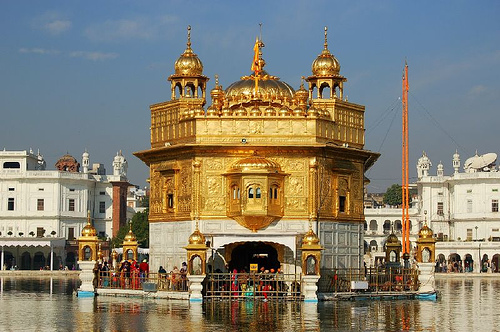
The Golden Temple, also known as Sri Harmandir Sahib, located in Amritsar, Punjab, is the holiest shrine of Sikhism and one of the most visited religious sites in India. Known for its gold-covered sanctum, peaceful ambiance, and the world’s largest free kitchen (Langar), the temple draws millions of tourists and devotees from across the globe.

Whether you seek spiritual solace, cultural insight, or architectural beauty, the Golden Temple offers an unforgettable experience.


📍 Where is the Golden Temple Located?

  • State: Punjab

  • City: Amritsar

  • Location: Golden Temple Road, Amritsar, Punjab – 143006

  • Nearest Airport: Sri Guru Ram Dass Jee International Airport (11 km)


🌟 Why the Golden Temple is Famous

  1. Spiritual Significance
    It is the most important Gurdwara for Sikhs, where the Guru Granth Sahib is enshrined and worshipped.

  2. Architectural Beauty
    The structure is adorned with gold-plated domes, marble walkways, and a sacred sarovar (holy tank).

  3. World’s Largest Community Kitchen – Langar
    Serves free meals to over 1 lakh people daily, regardless of religion, caste, or nationality.

  4. 24/7 Devotional Chanting
    The temple resonates with soulful hymns (Kirtan) throughout the day.


🕖 Golden Temple Timings

  • Temple Opens: 3:00 AM

  • Temple Closes: 10:00 PM

  • Best Time for Peaceful Visit: Early morning during Amrit Vela (pre-dawn) or late evening for Palki Sahib ceremony


🧣 Dress Code and Entry Guidelines

  • Head Covering is Mandatory (scarves are available at the entrance)

  • No Footwear inside the temple premises

  • Clean Feet before entering (wash area provided)

  • Modest Clothing Recommended


🥘 Langar – The Free Community Kitchen

The Langar Hall offers a simple vegetarian meal to everyone. Run entirely by volunteers, the meal includes dal, roti, sabzi, and kheer – served with humility and love.


📸 Things to Do at the Golden Temple

  • Take a peaceful walk around the holy Sarovar (water tank)

  • Attend the Palki Sahib procession (Guru Granth Sahib is carried ceremonially)

  • Visit the Central Sikh Museum

  • Witness volunteer work (Seva) in the kitchen or cleaning

  • Explore the Akal Takht, the seat of Sikh temporal authority

  • Visit Jallianwala Bagh nearby (just 400 meters away)


📅 Best Time to Visit Golden Temple

  • October to March: Pleasant weather for sightseeing

  • Gurpurab Festival (November): Witness the temple lit up with thousands of lamps and fireworks


🏨 Where to Stay near Golden Temple

  • Guru Ramdas Niwas (Free stay for pilgrims, subject to availability)

  • Budget hotels, guest houses, and luxury stays available within 1 km radius

  • OYO, FabHotels, and Airbnb options are easily bookable


🛤️ How to Reach Golden Temple

  • By Air: Amritsar International Airport (11 km)

  • By Rail: Amritsar Junction (2 km from the temple)

  • By Road: Well-connected via National Highways, local taxis, and buses available


❓ Top 10 FAQs About Golden Temple Amritsar

1. Why is the Golden Temple famous?

It is the holiest Sikh shrine and known for its golden dome, free Langar service, and spiritual significance.

2. Is there any entry fee to visit the Golden Temple?

No, entry to the Golden Temple is completely free for all.

3. Can non-Sikhs visit the Golden Temple?

Yes, people from all religions and backgrounds are welcome.

4. What is the best time of day to visit the Golden Temple?

Early morning (3 AM – 6 AM) or evening (7 PM – 10 PM) for peaceful atmosphere and special ceremonies.

5. What food is served at the Golden Temple Langar?

Simple vegetarian food – dal, roti, sabzi, kheer – all freshly prepared.

6. How much time should I spend at the Golden Temple?

At least 2–3 hours, but many spend a full day soaking in the spirituality and volunteering.

7. Are cameras allowed inside the temple?

Yes, photography is allowed in outer areas but not inside the sanctum.

8. Is there any dress code to follow?

Head must be covered, feet must be clean, and modest attire is recommended.

9. Can I volunteer at the Golden Temple?

Yes, you can participate in Seva (volunteer service) – from cooking to cleaning and serving food.

10. Is the Golden Temple open at night?

Yes, it is open almost 24 hours. The Palki Sahib ceremony at night is worth attending.


✅ Conclusion

The Golden Temple in Amritsar is more than just a religious monument – it is a living symbol of equality, peace, and devotion. Whether you are a spiritual seeker, cultural explorer, or curious traveler, visiting Harmandir Sahib will leave you humbled and inspired.

From the golden sanctum’s shimmering reflection in the holy Sarovar, to the soulful kirtans and the massive Langar feeding thousands daily, the experience is both magical and memorable.

Plan your trip to Golden Temple Amritsar and witness the true spirit of Punjab and Sikhism – a journey of the soul, served with simplicity and love.

Top Temples to Visit in Kashi – A Spiritual Journey Through the Holy City of Varanasi

Kashi, also known as Varanasi or Banaras, is considered the spiritual heart of India. This ancient city on the banks of the sacred Ganges River is believed to be one of the oldest living cities in the world. A trip to Kashi is incomplete without visiting its revered temples, each holding mythological, cultural, and spiritual significance. Whether you're a pilgrim seeking divine blessings or a traveler admiring architectural marvels, Kashi's temples offer a journey through time, faith, and devotion.


🌟 Must-Visit Temples in Kashi (Varanasi)

1. Kashi Vishwanath Temple

  • Significance: One of the 12 Jyotirlingas, dedicated to Lord Shiva.

  • Highlight: The most revered temple in Varanasi.

  • Location: Near Dashashwamedh Ghat.

  • Special Note: Recently renovated under the Kashi Vishwanath Corridor project.

2. Annapurna Devi Temple

  • Significance: Goddess Annapurna is believed to be the provider of food and nourishment.

  • Highlight: Located close to the Kashi Vishwanath temple.

  • Mythology: It is said Lord Shiva himself begged food from Goddess Annapurna here.

3. Sankat Mochan Hanuman Temple

  • Significance: Dedicated to Lord Hanuman, known as the remover of obstacles.

  • Highlight: Tuesday and Saturday are major worship days.

  • Special Feature: Large gatherings and chanting of Hanuman Chalisa.

4. Durga Kund Mandir (Durga Temple)

  • Significance: Also known as the Monkey Temple, dedicated to Goddess Durga.

  • Architecture: Constructed in Nagara style, painted red with ochre.

  • Highlight: Adjoining Durga Kund (pond) adds serenity.

5. Tulsi Manas Mandir

  • Significance: Built at the site where Tulsidas composed the Ramcharitmanas.

  • Highlight: Verses from Ramcharitmanas are inscribed on the walls.

  • Architecture: Marble temple with peaceful gardens.

6. Bharat Mata Temple

  • Unique Feature: No deity; instead, it has a relief map of India in marble.

  • Significance: Symbolizes nationalism and unity.

  • Location: Mahatma Gandhi Kashi Vidyapeeth campus.

7. New Vishwanath Temple (Birla Temple)

  • Location: Inside Banaras Hindu University (BHU) campus.

  • Highlight: Towering structure resembling the original Kashi Vishwanath temple.

  • Note: Open to all castes and religions.

8. Kal Bhairav Temple

  • Significance: Lord Kal Bhairav is known as the Kotwal (guardian) of Kashi.

  • Tradition: Pilgrims often visit this temple before Kashi Vishwanath.

  • Ritual: Devotees buy and offer a sacred thread, “Bhairav dhaga”.


✨ Why Visit Temples in Kashi?

  • Spiritual awakening: Kashi is believed to liberate souls from the cycle of rebirth.

  • Architectural beauty: From ancient designs to modern creations, each temple is a visual marvel.

  • Cultural experience: Witness rituals, aartis, and festivals in their most authentic forms.


🌺 Best Time to Visit Kashi Temples

  • Winter (October to March): Pleasant weather for temple visits.

  • Festivals: Shivratri, Diwali, and Dev Deepawali are celebrated grandly.


✅ Travel Tips for Visiting Temples in Varanasi

  • Footwear: Leave shoes outside temple premises.

  • Dress Code: Wear modest, traditional attire.

  • Crowds: Start early in the morning to avoid rush.

  • Guides: Hire local guides for cultural insights and mythology.


🙋‍♀️ Top FAQs on Temples to Visit in Kashi

Q1. Which is the most famous temple in Varanasi?
A1. Kashi Vishwanath Temple is the most famous and revered temple in Varanasi.

Q2. Are non-Hindus allowed inside all temples in Kashi?
A2. Some temples like the New Vishwanath Temple allow all visitors, but others like the Kashi Vishwanath Temple may have restrictions.

Q3. What is the best time to visit Kashi temples?
A3. October to March is ideal, especially during major Hindu festivals.

Q4. Is photography allowed inside the temples?
A4. Most temples do not allow photography inside the sanctum. Always ask permission beforehand.

Q5. How many temples are there in Varanasi?
A5. There are hundreds of temples; many believe there’s a shrine or deity in every lane of the city.

Q6. Can we attend Ganga Aarti after temple visits?
A6. Yes, you can witness the famous Ganga Aarti at Dashashwamedh Ghat after temple visits.

Q7. Are there any guided temple tours in Varanasi?
A7. Yes, many local guides and tour operators offer half-day or full-day temple tours.

Q8. Is the Kashi Vishwanath Corridor worth visiting?
A8. Absolutely! The corridor has enhanced the accessibility and spiritual experience for devotees.

Q9. Are temple visits safe for solo female travelers?
A9. Yes, but it's best to travel during daylight and in popular areas.

Q10. Is prior booking required for temple darshan?
A10. For regular darshan, booking isn’t needed, but special VIP darshans might require advance registration.


🧘‍♂️ Conclusion

Kashi, the eternal city, is more than just a pilgrimage site—it is a transformative experience that offers peace, purpose, and a deeper connection with the divine. Each temple in Varanasi has a story to tell, a tradition to preserve, and a blessing to offer. Whether you're on a spiritual journey or simply exploring India's rich cultural heritage, the temples of Kashi promise an unforgettable encounter with the sacred. Plan your trip, respect the local customs, and immerse yourself in the soulful rhythms of this holy city

Top 10 Most Famous Temples in India You Must Visit – Spiritual Tourism Guide

India is not just a country; it's a living tapestry of ancient spirituality, diverse faiths, and incredible architecture. With thousands of temples scattered across its length and breadth, choosing the top 10 temples in India is a tough task. These temples are not just places of worship but are also architectural wonders, historical landmarks, and centers of vibrant festivals.

From Khajuraho’s erotic carvings to the gold-covered sanctum of Amritsar, here are the 10 best temples in India every spiritual seeker, history lover, or cultural enthusiast should visit.

Top 10 Temples in India for Pilgrimage & Architecture

1. Khajuraho Temples, Madhya Pradesh


Famous for their erotic sculptures and spiritual contrast, these 10th-century temples are a UNESCO World Heritage Site. Divided into Hindu and Jain complexes, they’re best visited during the Khajuraho Dance Festival.

Highlight: Sensual carvings outside, divine calm inside.


2. Somnath Temple, Gujarat


Regarded as the first Jyotirlinga of Lord Shiva, Somnath has been destroyed and rebuilt several times, symbolizing India’s resilience and devotion.

Highlight: Mythological link with Moon God and spiritual significance.


3. Kashi Vishwanath Temple, Varanasi


Located in the spiritual capital of India, this Shiva temple is one of the holiest sites for Hindus. Its golden spire and jyotirlinga attract millions of devotees.

Highlight: Spiritual liberation through Ganga bath and darshan.


4. Jagannath Temple, Puri


A part of the Char Dham Yatra, the 12th-century Jagannath Temple is known for its massive Ratha Yatra. The temple kitchen serves the Mahaprasad to thousands daily.

Highlight: Unique wooden deities & world’s largest kitchen.


5. Tirupati Balaji Temple, Andhra Pradesh


The richest temple in India after Padmanabhaswamy, Tirupati Balaji welcomes over 40 million visitors annually. Its Dravidian architecture and rituals are mesmerizing.

Highlight: Hair donation ritual & spiritual grandeur.


6. Meenakshi Temple, Madurai, Tamil Nadu


A glowing example of Dravidian temple architecture, the Meenakshi-Sundareshwar Temple is known for its 14 gopurams, thousands of colorful sculptures, and religious significance.

Highlight: Marriage of Meenakshi and Shiva celebrated annually.


7. Siddhivinayak Temple, Mumbai


Dedicated to Lord Ganesha, this temple is a celebrity hotspot and powerful wish-fulfilling shrine. Built in 1801, it has a gold-plated sanctum and intricate wood carvings.

Highlight: Idol carved from a single black stone with trunk turned right.


8. Akshardham Temple, Delhi


An architectural marvel showcasing 10,000 years of Indian culture, Akshardham combines spirituality, art, and science. Its musical fountain and exhibitions attract both tourists and devotees.

Highlight: Monument crafted entirely from pink sandstone and white marble.


9. Golden Temple (Harmandir Sahib), Amritsar


The holiest shrine for Sikhs, this gold-encrusted temple welcomes people of all faiths. Its serene Amrit Sarovar and langar feed thousands daily.

Highlight: Symbol of equality, community, and selfless service.


10. Brihadeeswarar Temple, Thanjavur, Tamil Nadu


A UNESCO World Heritage Site, this 11th-century Chola masterpiece is made entirely of granite. Its giant gopuram and Nandi sculpture are awe-inspiring.

Highlight: No shadows fall at noon around the main structure!


🙏 Frequently Asked Questions (FAQs)

Q1. Which is the most visited temple in India?
Tirupati Balaji Temple is the most visited temple, with over 40 million devotees each year.

Q2. Which is the richest temple in India?
Padmanabhaswamy Temple in Kerala holds the top spot for wealth, followed by Tirupati Balaji.

Q3. What is the oldest temple in India?
The Mundeshwari Devi Temple in Bihar (dating back to 108 CE) is considered one of the oldest functional temples.

Q4. Can foreigners visit all these temples?
Most of them, yes—though some temples like Jagannath Temple restrict entry to non-Hindus in the sanctum.

Q5. Which temple is best for architecture lovers?
Meenakshi Temple, Khajuraho, and Brihadeeswarar Temple are a feast for architectural enthusiasts.


🧘 Conclusion: India’s Sacred Soul in Stone

India’s temples are much more than places of worship—they are living museums of history, devotion, and art. Whether you are seeking spiritual enlightenment, architectural marvels, or simply a deep cultural experience, the top 10 temples in India listed here offer something for every kind of traveler.

Ready to walk the spiritual trail? Begin your temple tour today!

Popular Posts