Showing posts with label Kerala nature tourism. Show all posts

Inchathotty Suspension Bridge – Kerala’s Longest Hanging Bridge Adventure

If you're in search of a hidden gem in Kerala that promises scenic beauty, gentle adventure, and peaceful vibes, Inchathotty Suspension Bridge is the place to be. Often called the longest suspension bridge in Kerala, Inchathotty has grown in popularity due to its unique structure, calm surroundings, and Instagram-worthy views. Whether you're a nature lover, photography enthusiast, or an adventure-seeking traveler, this destination has something to offer everyone.


🌉 About Inchathotty Suspension Bridge

The Inchathotty Hanging Bridge spans an impressive 183 meters in length and about 4 feet in width, making it the longest suspension bridge in Kerala. It connects Inchathotty and Neriamangalam across the Periyar River and is surrounded by lush greenery and serene waters.

Despite its narrow width, the bridge is quite sturdy and safe for pedestrians and cyclists. As you walk across, you’ll experience gentle sways and breathtaking panoramic views of the river and forested hills—an experience that’s both thrilling and soothing.


🗺️ How to Reach Inchathotty

  • Nearest Town: Kothamangalam (approx. 12 km)

  • Nearest Railway Station: Aluva (approx. 53 km)

  • Nearest Airport: Cochin International Airport (approx. 57 km)

  • Best Route: Ernakulam → Kothamangalam → Neriamangalam → Inchathotty

Accessible by road, it's a perfect one-day getaway from Kochi, Munnar, or Idukki.


📸 Things to Do at Inchathotty

  1. Walk the Bridge – Enjoy the gentle sway and scenery.

  2. Photography – Capture sunrise/sunset, river reflections, and candid shots.

  3. Picnicking – Ideal for families, solo travelers, and friends.

  4. Bird Watching – Spot native species in the nearby forested areas.

  5. Nature Trails – Explore the surrounding greenery and hidden paths.

  6. Nearby Attractions:

    • Thattekad Bird Sanctuary (6 km)

    • Bhoothathankettu Dam (10 km)

    • Kodanad Elephant Training Centre (25 km)


🕰️ Best Time to Visit

  • Season: November to March (pleasant weather)

  • Time: Early morning or late afternoon for best light and minimal crowd

Avoid the monsoon months as the bridge may be slippery and the river flow becomes intense.


🧳 Travel Tips

  • Wear comfortable shoes for easy walking.

  • Keep a bottle of water and snacks if planning a longer stay.

  • Early morning or golden hour offers the best light for photography.

  • Carry cash—local eateries may not accept digital payments.

  • Respect nature and avoid littering.


📌 Conclusion

Inchathotty Suspension Bridge offers a peaceful escape into nature without demanding too much physical effort. It's the perfect offbeat destination for those visiting Ernakulam, Idukki, or Munnar. Whether you want to unwind, snap mesmerizing photos, or enjoy a light adventure, Inchathotty won’t disappoint. Make it part of your travel list when exploring Kerala!


❓ Top 10 Frequently Asked Questions (FAQs)

1. Where is Inchathotty Suspension Bridge located?
Inchathotty is in Ernakulam District near Neriamangalam, Kerala.

2. How long is Inchathotty Bridge?
It is 183 meters long and about 4 feet wide.

3. Is Inchathotty the longest hanging bridge in Kerala?
Yes, it holds the title of the longest suspension bridge in Kerala.

4. Is it safe to walk on the bridge?
Absolutely. It is safe for pedestrians and regularly maintained.

5. Is there an entry fee to the bridge?
As of now, there is no entry fee for visiting the bridge.

6. What’s the best time to visit Inchathotty?
Visit between November to March, during morning or late afternoon.

7. Are there any nearby attractions?
Yes. Thattekad Bird Sanctuary, Bhoothathankettu Dam, and Kodanad Elephant Centre are nearby.

8. How do I reach Inchathotty from Kochi?
You can drive or hire a cab via Kothamangalam towards Neriamangalam.

9. Is it suitable for kids and the elderly?
Yes, but caution is advised due to the swaying movement.

10. Are food and restroom facilities available nearby?
Basic local eateries are available; plan accordingly for restrooms.

Top Summer Eco-Tourism Destinations in Kerala: Best Places to Visit

As summer approaches, the need for a refreshing getaway becomes more pressing. What better place to escape the heat than Kerala, the "God's Own Country"? Known for its tranquil landscapes, lush greenery, and serene backwaters, Kerala offers some of the best eco-tourism destinations in India. These spots not only offer a break from the hustle and bustle but also promise to keep you in touch with nature, making it an ideal destination for eco-conscious travelers.


Here’s a guide to some of the best summer eco-tourism destinations in Kerala that will leave you rejuvenated and amazed by the state's natural beauty.


1. Wayanad Wildlife Sanctuary

Located in the Western Ghats, Wayanad Wildlife Sanctuary is a true haven for nature enthusiasts. The sanctuary is home to a wide variety of flora and fauna, making it one of the most celebrated eco-tourism spots in Kerala. During the summer months, the sanctuary provides a cool retreat with its verdant forests and tranquil atmosphere.

Top Activities:

  • Wildlife safaris to spot elephants, tigers, and leopards.

  • Trekking to Edakkal Caves and Chembra Peak.

  • Boat rides at Pookode Lake.

Best Time to Visit: March to June


2. Silent Valley National Park

For those seeking peace and solitude amidst the wilderness, Silent Valley National Park is the place to be. Known for its dense rainforests and rich biodiversity, this park is perfect for eco-tourists looking to explore Kerala’s untouched natural wonders. The cool weather in summer adds to the park's allure.

Top Activities:

  • Wildlife viewing (gibbons, elephants, and tigers).

  • Nature walks and bird watching.

  • Exploration of the rich flora of the region.

Best Time to Visit: March to May


3. Periyar Wildlife Sanctuary and Thekkady

The Periyar Wildlife Sanctuary in Thekkady is one of Kerala’s most renowned eco-tourism destinations. The sanctuary is located around the serene Periyar Lake and is famous for its elephants and rich biodiversity. In the summer months, the cool breeze around the lake and the sight of elephants bathing by the waters make this an idyllic retreat.

Top Activities:

  • Boat rides on Periyar Lake to spot wildlife.

  • Nature walks with forest guides.

  • Bamboo rafting and spice plantation tours.

Best Time to Visit: March to May


4. Parambikulam Tiger Reserve

Bordering Kerala and Tamil Nadu, the Parambikulam Tiger Reserve offers a unique eco-tourism experience. The park’s pristine forests and vast stretches of greenery are perfect for nature lovers looking for serenity. The summer months offer the perfect weather for a visit, with the opportunity to spot tigers and other wildlife.

Top Activities:

  • Tiger safaris and wildlife spotting.

  • Trekking through the forest trails.

  • Visit the Parambikulam Lake for boating.

Best Time to Visit: March to June


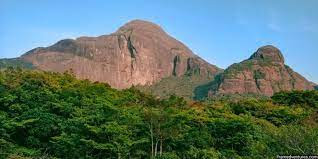
5. Agasthyakoodam and Agasthyakumar Hills

Located in the Agasthyakoodam Biosphere Reserve, this region offers an eco-tourism experience like no other. The Agasthyakumar Hills are one of the highest peaks in the Western Ghats, and the area is known for its diverse flora and fauna. It’s a perfect place to escape the summer heat and enjoy nature’s cool embrace.

Top Activities:

  • Trekking to Agasthyakoodam.

  • Bird watching and nature walks.

  • Explore the indigenous flora and fauna.

Best Time to Visit: March to June


6. Vypin Island

If you're looking for a more relaxed eco-tourism experience, Vypin Island offers a beautiful escape with its natural beaches and eco-friendly resorts. Located near Cochin, it provides a serene environment perfect for unwinding during the summer months.

Top Activities:

  • Visit the historic Munambam Beach.

  • Explore the local fishing villages.

  • Relax in eco-friendly resorts along the coastline.

Best Time to Visit: March to June


7. Kumarakom Bird Sanctuary

The Kumarakom Bird Sanctuary, located along the serene Vembanad Lake, is a paradise for bird watchers and nature lovers. The cool, tranquil environment makes it one of the best eco-tourism destinations for summer. It’s especially ideal for those who enjoy water-based activities like boat rides and fishing.

Top Activities:

  • Bird watching (migratory birds, kingfishers).

  • Boat rides on Vembanad Lake.

  • Visit nearby Kumarakom Village for a cultural experience.

Best Time to Visit: March to June


Top FAQs About Summer Eco-Tourism in Kerala

Q1: What is eco-tourism?
Eco-tourism is a type of tourism that emphasizes conservation of the environment, sustainable travel, and minimal impact on nature. It promotes responsible travel to natural areas to conserve the environment and improve the well-being of local people.

Q2: What is the best time to visit eco-tourism destinations in Kerala?
The best time to visit eco-tourism destinations in Kerala is during the summer months, from March to June, when the weather is cooler, and nature is at its most vibrant.

Q3: Are these eco-tourism destinations family-friendly?
Yes, Kerala’s eco-tourism destinations are ideal for family vacations. Many spots offer activities like wildlife safaris, nature walks, and boat rides, which are great for children and adults alike.

Q4: Are there any accommodations at these eco-tourism spots?
Most of the major eco-tourism destinations in Kerala, like Periyar Wildlife Sanctuary and Kumarakom Bird Sanctuary, offer eco-friendly lodges, resorts, and home stays that provide sustainable and comfortable accommodation.

Q5: How can I travel to eco-tourism spots in Kerala?
You can travel by train, bus, or flight to Kerala and then take local transport like taxis, tourist buses, or auto-rickshaws to reach the eco-tourism destinations. Many destinations also offer guided tours.


Conclusion

Kerala’s eco-tourism destinations offer the perfect blend of nature, adventure, and serenity. Whether you’re exploring the Wayanad Wildlife Sanctuary, soaking in the tranquility of the Periyar Wildlife Sanctuary, or enjoying the lush beauty of Silent Valley National Park, Kerala promises an unforgettable summer escape. These eco-friendly destinations are not only great for rejuvenation but also serve to inspire a deeper appreciation for nature’s beauty and importance.

Top 7 Zoos in Kerala: Explore Wildlife and Nature in God's Own Country

Kerala, known for its lush greenery and picturesque landscapes, is also home to some of India’s most diverse wildlife. If you’re a nature enthusiast or a wildlife lover, Kerala's zoos and wildlife sanctuaries should be on your list. These zoos provide a perfect opportunity to get up close with exotic animals, reptiles, and birds, making them ideal for a memorable family vacation. Whether you are exploring wildlife conservation, enjoying a safari, or just soaking in the scenic beauty of Kerala, these zoos offer something for everyone.


Here’s a guide to the Top 7 Zoos in Kerala that will provide you with an unforgettable wildlife experience.


1. Thiruvananthapuram Zoo

Located in the heart of Thiruvananthapuram, the Thiruvananthapuram Zoo is the oldest zoo in Kerala. Established in 1859 by the Maharaja of Travancore, the zoo spans 55 acres and is home to a rich diversity of wildlife, including Asiatic lions, Royal Bengal tigers, and elephants. With its lush gardens, a botanical park, and a museum, the zoo provides an educational and relaxing experience.

  • Location: Museum Road, Thiruvananthapuram

  • Best Time to Visit: October to February


2. Parassinikkadavu Snake Park

For snake lovers, Parassinikkadavu Snake Park in Kannur is a must-visit. This park is dedicated to the conservation of snakes and is one of the oldest snake zoos in Kerala. It features a wide variety of snake species, including Cobras, Pythons, and Vipers. Visitors can learn about the role of snakes in the ecosystem and witness these magnificent creatures up close.

  • Entry Fees: INR 30 for adults, INR 15 for children

  • Location: Parassinikkadavu, Kannur

  • Best Time to Visit: November to March


3. Thrissur Zoo and Museum

A beautiful fusion of nature and history, the Thrissur Zoo and Museum spans 13.5 acres and is home to a variety of mammals, reptiles, and birds. The zoo is located in Chembukkavu, Thrissur, and is known for its impressive collection of flora and fauna. Adjacent to the zoo is the Thrissur Museum, which exhibits Kerala’s rich cultural heritage and is a fantastic educational spot for visitors.

  • Entry Fees: INR 15 for adults, INR 5 for kids

  • Location: Chembukkavu, Thrissur

  • Best Time to Visit: December to February


4. Malampuzha Garden & Dam Zoo

Set against the backdrop of the Malampuzha Dam in Palakkad, the Malampuzha Garden and Dam Zoo is one of Kerala’s most scenic zoos. The zoo is surrounded by lush greenery, waterfalls, and a serene environment, making it perfect for nature lovers. It is home to a wide range of animals and birds, including exotic species. The garden is designed using discarded items, creating an eco-friendly attraction.

  • Entry Fees: INR 25 for adults, INR 10 for children (below 10)

  • Location: Malampuzha, Palakkad

  • Best Time to Visit: September to March


5. Neyyar Wildlife Sanctuary & Lion Safari Park

For an adventure-filled experience, visit the Neyyar Wildlife Sanctuary near Thiruvananthapuram. It is home to a unique Lion Safari Park, where you can view lions in their natural habitat. The sanctuary also houses elephants, deer, and a wide variety of birds. Visitors can enjoy trekking routes and explore the natural beauty surrounding Neyyar Dam.

  • Entry Fees: INR 50 for adults, INR 20 for children

  • Location: Neyyar, Thiruvananthapuram

  • Best Time to Visit: November to April


6. Kauthuka Park

Located in Chalakudy, Thrissur, Kauthuka Park is a unique blend of a zoo, garden, and spiritual retreat. The park showcases several species of animals, birds, and medicinal plants. It also offers an educational experience with its collection of ancient utensils and agricultural tools. The serene environment and scenic beauty make it an ideal location for relaxation.

  • Entry Fees: INR 40 for adults, INR 20 for children

  • Location: Chalakudy, Thrissur

  • Best Time to Visit: Throughout the year


7. Haritha Biopark

Situated on the banks of the Periyar River in Ernakulam, Haritha Biopark offers an exceptional wildlife experience. The park is home to a variety of exotic animals like alligators, garfish, and arapaima, along with a wide range of bird species. It is a haven for bird watchers and nature enthusiasts.

  • Entry Fees: Free

  • Location: Panamkuzhy, Ernakulam

  • Best Time to Visit: Throughout the year


Top FAQs About Zoos in Kerala

Q1: Are online tickets available for zoos in Kerala?
Yes, many zoos in Kerala offer online ticket bookings through their official websites.

Q2: What is the best time to visit Kerala’s zoos?
The best time to visit the zoos is from October to March when the weather is cooler and more comfortable for outdoor activities.

Q3: Which zoo in Kerala has the largest variety of wildlife?
The Thiruvananthapuram Zoo is one of the oldest and most popular zoos in Kerala, with a diverse range of species from around the world.

Q4: Is there any special zoo in Kerala for snake lovers?
Yes, the Parassinikkadavu Snake Park in Kannur is specifically dedicated to the conservation of snakes and reptiles.

Q5: Are these zoos suitable for families with kids?
Absolutely! These zoos are ideal for families, offering educational experiences, scenic beauty, and the chance to see a variety of animals and birds up close.


Conclusion

Kerala’s zoos and wildlife sanctuaries are an integral part of the state’s rich natural heritage. Whether you are a wildlife enthusiast, a nature lover, or someone looking to spend quality time with your family, these zoos offer a wonderful opportunity to connect with nature. From historic zoos like the Thiruvananthapuram Zoo to the unique Lion Safari Park in Neyyar Wildlife Sanctuary, each zoo in Kerala provides a distinct and enriching experience. Plan your next trip to Kerala and explore its incredible wildlife and natural beauty at these amazing zoos!

Gavi Tree Houses – Best Eco-Tourism Destination in Kerala

Gavi Tree Houses in Kerala: A Nature Lover’s Ultimate Retreat

If you’re a nature enthusiast looking for an eco-friendly escape in the lap of greenery, Gavi Tree Houses in Kerala should top your list of must-visit destinations. Tucked away in the Western Ghats, Gavi is part of the Periyar Wildlife Sanctuary and offers a magical blend of adventure, serenity, and eco-tourism. The unique tree house stay in Gavi gives you a chance to experience the wilderness of Kerala like never before.

In this blog post, we will explore all there is to know about staying in Gavi tree houses, including the best time to visit, how to reach Gavi, and answers to the top FAQs.


What Makes Gavi Tree Houses Special?

Nestled in the tranquil forests of Gavi, the tree houses are designed to blend perfectly with the environment. Built on elevated platforms with a natural wooden structure, these tree houses offer an intimate experience with the rich biodiversity surrounding them. With sweeping views of the forest canopy and the occasional sighting of wildlife, your stay here feels like being in a fairy tale.

Gavi is renowned for its eco-tourism efforts, focusing on preserving the pristine ecosystem while offering an immersive wildlife experience. Staying in these tree houses also aligns with Kerala’s sustainability initiatives, making it an eco-conscious choice for travelers who want to minimize their carbon footprint while enjoying nature.


Best Time to Visit Gavi Tree Houses

The best time to visit Gavi depends on what you’re looking for in your travel experience:

  • November to February (Winter Season): This is the ideal time to visit Gavi. The weather is cool and pleasant, with temperatures ranging between 15°C and 25°C. This period offers the best chance for wildlife spotting and enjoying the outdoors in comfort.

  • March to May (Summer Season): Gavi experiences mild temperatures during summer, making it a great time to explore the lush green forests. However, it can get warmer, especially during midday, so it’s best to carry light clothing and hydrate frequently.

  • June to October (Monsoon Season): While the monsoon season brings fresh greenery and a tranquil atmosphere, it can also cause heavy rainfall, making travel conditions difficult. This time is ideal for those who want to witness the beauty of Kerala's lush forests in their full glory but be prepared for occasional downpours.


How to Reach Gavi Tree Houses

Gavi is located in the Idukki district of Kerala, and it’s well-connected by road. Here are the best ways to reach Gavi tree houses:

  • By Air: The nearest airport is Kochi International Airport (about 150 km from Gavi). From here, you can hire a taxi or take a private vehicle to Gavi.

  • By Train: The nearest major railway station is Kottayam Railway Station, located approximately 114 km away from Gavi. From Kottayam, you can book a taxi to reach the eco-resort.

  • By Road: Gavi is easily accessible by road, and driving through the scenic routes is part of the adventure. You can hire a taxi or drive your own vehicle. If you’re coming from Kochi, it takes about 4-5 hours to reach Gavi by road. The route passes through beautiful hills, tea gardens, and forests.


Top FAQs About Gavi Tree Houses

  1. Is it safe to stay in Gavi Tree Houses? Yes, staying in Gavi tree houses is safe. The area is monitored by the Kerala Forest Development Corporation (KFDC) to ensure the safety of visitors. The tree houses are built with safety measures in place.

  2. What activities can I do at Gavi? Apart from staying in tree houses, you can enjoy activities like trekking, wildlife safari, boating in Periyar Lake, bird watching, and nature walks. You can also visit nearby attractions like the Gavi Dam and Anaviratty Waterfalls.

  3. Do I need to book the tree houses in advance? Yes, booking in advance is highly recommended, especially during peak tourist seasons (November to February). The tree houses tend to fill up quickly, and early booking will guarantee your stay.

  4. What should I carry while visiting Gavi? Pack comfortable clothing and footwear suitable for trekking. Since the weather can be unpredictable, carry a light rain jacket. Don’t forget your camera to capture the scenic beauty and wildlife!

  5. Are there any food options available at Gavi? Yes, the eco-tourism center provides meals made from locally sourced ingredients, focusing on authentic Kerala cuisine. However, if you have specific dietary requirements, it’s a good idea to inform the staff beforehand.

  6. Can I visit Gavi on a day trip? While it’s possible to visit Gavi as part of a day trip, we recommend staying for at least one night to fully enjoy the tranquility and natural beauty of the area. The tree houses are designed for an immersive experience in nature.


Conclusion

Gavi Tree Houses in Kerala offer the perfect getaway for those looking to immerse themselves in nature while enjoying a unique and eco-friendly stay. Whether you’re looking to explore the wilderness, indulge in bird watching, or simply unwind surrounded by trees and wildlife, Gavi will provide an unforgettable experience.

Plan your trip accordingly, considering the best time to visit, and ensure you book in advance to secure your spot in the heart of Kerala’s natural beauty. With lush greenery, serenity, and adventure, Gavi tree houses are truly a hidden gem for nature lovers.


This blog post is a perfect guide for travelers seeking an eco-friendly, off-the-beaten-path destination in Kerala. By incorporating key SEO elements such as keywords and localized tips, your audience will easily discover the charm of Gavi tree houses and be inspired to visit this pristine corner of Kerala.

Happy travels! 🌿

Popular Posts