Showing posts with label Kerala Wildlife Sanctuaries. Show all posts

Aralam Wildlife Sanctuary Kannur: Best Eco-Tourism Destination in Kerala

Tucked away in the serene Western Ghats of northern Kerala, Aralam Wildlife Sanctuary is a tranquil haven for nature lovers, wildlife enthusiasts, and eco-tourists. Located in the Kannur district, this sanctuary sprawls over 55 square kilometers and is renowned for its rich biodiversity, dense tropical forests, and scenic trekking trails.

Being one of the most peaceful and lesser-known wildlife destinations in Kerala, Aralam is perfect for those looking to escape the crowds and immerse themselves in untouched wilderness.


Highlights of Aralam Wildlife Sanctuary

🌿 Rich Biodiversity

The sanctuary is home to an array of wildlife including elephants, leopards, deer, boars, gaur (Indian bison), sloth bears, and over 200 species of birds and butterflies. It's a paradise for photographers and wildlife researchers.

🐅 Eco-tourism and Nature Trails

The Kerala Forest Department has developed various eco-tourism programs including guided treks, soft trekking to Ambalappara, and birdwatching walks, all designed to preserve the natural habitat while educating visitors.

🏞️ Picturesque Landscape

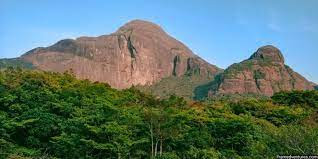
With elevations ranging from 50 meters to over 1145 meters at Katti Betta, the highest peak in the sanctuary, Aralam offers incredible vistas, misty hills, and peaceful forest cover.

🥾 Trekking and Adventure

Trekking routes range from short beginner-friendly trails to multi-day forest camping expeditions. The most popular one is the Meenmutty – Ambalappara trail.

🌳 Agasthyamala Biosphere Reserve

Aralam is part of the larger Agasthyamala Biosphere Reserve, a UNESCO-recognized site that aims to preserve the unique Western Ghats ecosystem.


How to Reach Aralam Wildlife Sanctuary

  • By Air: Kannur International Airport – 45 km

  • By Rail: Thalassery Railway Station – 55 km

  • By Road: Easily accessible via buses and taxis from Iritty (8 km) or Kannur (55 km)


Best Time to Visit

The ideal time to explore Aralam is October to March, when the weather is cool and pleasant. Avoid visiting during peak monsoon (June–August) due to slippery trails and leech-infested forest paths.


Entry Fee and Timings

  • Entry Time: 8:00 AM to 4:00 PM

  • Entry Fee: ₹50 for Indian adults, ₹200 for foreign nationals

  • Camera Fee: Additional charges apply

For trekking and eco-tour packages, prior booking via the Kerala Forest Department is recommended.


Nearby Attractions

  • Pazhassi Dam: Ideal for a relaxing boat ride.

  • Peralassery Sri Subramanya Temple: Known for its massive pond and architecture.

  • Muzhappilangad Drive-in Beach: One of India’s best drive-in beaches.


Top FAQs about Aralam Wildlife Sanctuary, Kannur

1. Where is Aralam Wildlife Sanctuary located?

It is located in the Kannur district of Kerala, near Iritty town.

2. What animals can be seen at Aralam Wildlife Sanctuary?

Elephants, leopards, Indian bison (gaur), sambar deer, wild boar, monkeys, butterflies, and a variety of birds.

3. Is trekking allowed in Aralam Wildlife Sanctuary?

Yes, trekking is one of the most popular activities, with several trails available.

4. What is the best time to visit Aralam Sanctuary?

Between October and March when the climate is ideal for sightseeing and trekking.

5. Is accommodation available inside the sanctuary?

Eco-tourism huts and forest guesthouses are available. Booking must be done in advance through the Forest Department.

6. Can I go on a safari at Aralam Wildlife Sanctuary?

Yes, forest department-led jeep safaris are available for a guided wildlife experience.

7. Are there any eco-tourism packages?

Yes, trekking, forest camping, and nature education programs are offered.

8. How do I get to Aralam Wildlife Sanctuary from Kannur?

By road, it’s a 2-hour drive from Kannur to the sanctuary via Iritty.

9. Is it safe to visit with children?

Yes, it’s safe with proper precautions and under the guidance of forest officials.

10. What should I carry for trekking?

Light clothing, trekking shoes, insect repellent, water bottle, snacks, and a camera.


Conclusion

Aralam Wildlife Sanctuary is a must-visit gem in Kerala’s tourist map, especially for those who cherish nature and seek off-the-beaten-path destinations. Its untouched charm, lush greenery, and unique wildlife make it one of the best eco-tourism spots in Kerala. Whether you're an adventure enthusiast or a peace-loving traveler, Aralam offers a soulful escape into the wild.

Plan your trip to Aralam now and experience nature in its purest form!

Top Summer Eco-Tourism Destinations in Kerala: Best Places to Visit

As summer approaches, the need for a refreshing getaway becomes more pressing. What better place to escape the heat than Kerala, the "God's Own Country"? Known for its tranquil landscapes, lush greenery, and serene backwaters, Kerala offers some of the best eco-tourism destinations in India. These spots not only offer a break from the hustle and bustle but also promise to keep you in touch with nature, making it an ideal destination for eco-conscious travelers.


Here’s a guide to some of the best summer eco-tourism destinations in Kerala that will leave you rejuvenated and amazed by the state's natural beauty.


1. Wayanad Wildlife Sanctuary

Located in the Western Ghats, Wayanad Wildlife Sanctuary is a true haven for nature enthusiasts. The sanctuary is home to a wide variety of flora and fauna, making it one of the most celebrated eco-tourism spots in Kerala. During the summer months, the sanctuary provides a cool retreat with its verdant forests and tranquil atmosphere.

Top Activities:

  • Wildlife safaris to spot elephants, tigers, and leopards.

  • Trekking to Edakkal Caves and Chembra Peak.

  • Boat rides at Pookode Lake.

Best Time to Visit: March to June


2. Silent Valley National Park

For those seeking peace and solitude amidst the wilderness, Silent Valley National Park is the place to be. Known for its dense rainforests and rich biodiversity, this park is perfect for eco-tourists looking to explore Kerala’s untouched natural wonders. The cool weather in summer adds to the park's allure.

Top Activities:

  • Wildlife viewing (gibbons, elephants, and tigers).

  • Nature walks and bird watching.

  • Exploration of the rich flora of the region.

Best Time to Visit: March to May


3. Periyar Wildlife Sanctuary and Thekkady

The Periyar Wildlife Sanctuary in Thekkady is one of Kerala’s most renowned eco-tourism destinations. The sanctuary is located around the serene Periyar Lake and is famous for its elephants and rich biodiversity. In the summer months, the cool breeze around the lake and the sight of elephants bathing by the waters make this an idyllic retreat.

Top Activities:

  • Boat rides on Periyar Lake to spot wildlife.

  • Nature walks with forest guides.

  • Bamboo rafting and spice plantation tours.

Best Time to Visit: March to May


4. Parambikulam Tiger Reserve

Bordering Kerala and Tamil Nadu, the Parambikulam Tiger Reserve offers a unique eco-tourism experience. The park’s pristine forests and vast stretches of greenery are perfect for nature lovers looking for serenity. The summer months offer the perfect weather for a visit, with the opportunity to spot tigers and other wildlife.

Top Activities:

  • Tiger safaris and wildlife spotting.

  • Trekking through the forest trails.

  • Visit the Parambikulam Lake for boating.

Best Time to Visit: March to June


5. Agasthyakoodam and Agasthyakumar Hills

Located in the Agasthyakoodam Biosphere Reserve, this region offers an eco-tourism experience like no other. The Agasthyakumar Hills are one of the highest peaks in the Western Ghats, and the area is known for its diverse flora and fauna. It’s a perfect place to escape the summer heat and enjoy nature’s cool embrace.

Top Activities:

  • Trekking to Agasthyakoodam.

  • Bird watching and nature walks.

  • Explore the indigenous flora and fauna.

Best Time to Visit: March to June


6. Vypin Island

If you're looking for a more relaxed eco-tourism experience, Vypin Island offers a beautiful escape with its natural beaches and eco-friendly resorts. Located near Cochin, it provides a serene environment perfect for unwinding during the summer months.

Top Activities:

  • Visit the historic Munambam Beach.

  • Explore the local fishing villages.

  • Relax in eco-friendly resorts along the coastline.

Best Time to Visit: March to June


7. Kumarakom Bird Sanctuary

The Kumarakom Bird Sanctuary, located along the serene Vembanad Lake, is a paradise for bird watchers and nature lovers. The cool, tranquil environment makes it one of the best eco-tourism destinations for summer. It’s especially ideal for those who enjoy water-based activities like boat rides and fishing.

Top Activities:

  • Bird watching (migratory birds, kingfishers).

  • Boat rides on Vembanad Lake.

  • Visit nearby Kumarakom Village for a cultural experience.

Best Time to Visit: March to June


Top FAQs About Summer Eco-Tourism in Kerala

Q1: What is eco-tourism?
Eco-tourism is a type of tourism that emphasizes conservation of the environment, sustainable travel, and minimal impact on nature. It promotes responsible travel to natural areas to conserve the environment and improve the well-being of local people.

Q2: What is the best time to visit eco-tourism destinations in Kerala?
The best time to visit eco-tourism destinations in Kerala is during the summer months, from March to June, when the weather is cooler, and nature is at its most vibrant.

Q3: Are these eco-tourism destinations family-friendly?
Yes, Kerala’s eco-tourism destinations are ideal for family vacations. Many spots offer activities like wildlife safaris, nature walks, and boat rides, which are great for children and adults alike.

Q4: Are there any accommodations at these eco-tourism spots?
Most of the major eco-tourism destinations in Kerala, like Periyar Wildlife Sanctuary and Kumarakom Bird Sanctuary, offer eco-friendly lodges, resorts, and home stays that provide sustainable and comfortable accommodation.

Q5: How can I travel to eco-tourism spots in Kerala?
You can travel by train, bus, or flight to Kerala and then take local transport like taxis, tourist buses, or auto-rickshaws to reach the eco-tourism destinations. Many destinations also offer guided tours.


Conclusion

Kerala’s eco-tourism destinations offer the perfect blend of nature, adventure, and serenity. Whether you’re exploring the Wayanad Wildlife Sanctuary, soaking in the tranquility of the Periyar Wildlife Sanctuary, or enjoying the lush beauty of Silent Valley National Park, Kerala promises an unforgettable summer escape. These eco-friendly destinations are not only great for rejuvenation but also serve to inspire a deeper appreciation for nature’s beauty and importance.

Explore Kapikkad Wildlife Sanctuary and Panamkuzhy Eco-Tourism: Your Summer Nature Escape

If you're looking for a refreshing summer getaway immersed in nature's beauty, then look no further than the Kapikkad Wildlife Sanctuary and the Panamkuzhy Eco-Tourism Center. Nestled on the banks of the majestic Periyar River, these destinations offer a perfect blend of wildlife experiences, serene landscapes, and unforgettable eco-tourism activities. Whether you’re a wildlife enthusiast, a nature lover, or someone simply looking to unwind amidst natural beauty, this place has something for everyone.


Explore the Wild at Kapikkad Wildlife Sanctuary

Located under the management of the Forest Department, the Kapikkad Wildlife Sanctuary is a sanctuary for both wildlife and human visitors alike. Here, you can witness the beauty of nature and experience the wonder of elephants in their natural habitat.

Elephant Encounters
A major highlight of your visit is the chance to encounter elephants up close. With four female elephants—Sunitha (54), Anjana (20), Parvathi (21), and Asha (22)—and three tuskers—Hariprasad (52), Peelandi Chandu (49), and Abhimanyu (52)—the sanctuary provides an awe-inspiring experience. Every day at 10 AM and 3 PM, two female elephants are taken to the Periyar River for a refreshing bath, giving visitors the unique opportunity to watch these gentle giants in action. This spectacle is a major draw, especially as the tuskers are in musth, adding extra intrigue to their already captivating presence.

Wildlife and Nature Trails
The sanctuary offers scenic nature trails where visitors can walk through lush green landscapes. Along these trails, you will pass a butterfly park, a fruit tree garden, and deer enclosures that house graceful sambars and deer. This path leads to the elephant camp, where you can get a closer look at these magnificent creatures.

Relax and Unwind in Riverside Beauty
Whether you're looking to relax after a wildlife adventure or simply enjoy the beauty of the surroundings, the Kapikkad Wildlife Sanctuary offers plenty of spots to unwind. From observation decks to bamboo groves, and even a red sandalwood garden, there’s no shortage of tranquil places to enjoy nature. The elephant bathing ghat is a picturesque spot to watch the elephants, while the children's park and snack bar provide a fun experience for families.


Panamkuzhy Eco-Tourism Center: A Serene Riverside Escape

Just a short distance from the sanctuary is the Panamkuzhy Eco-Tourism Center, situated along the serene Periyar River. This is the main hub for eco-tourism activities in the area. The bathing ghat, located just 300 meters from the sanctuary entrance, allows visitors to enjoy the river in a safe and relaxed environment. The ghat is well-equipped with lifeguards, life jackets, and buoys to ensure safety for all visitors.

Nature Walks and Scenic Views
The eco-tourism center is surrounded by lush greenery, with towering mahogany trees, Chinese trees, and dense undergrowth that add to the serene atmosphere. Visitors can enjoy riverside seating, observation decks, and swings, perfect for relaxing and taking in the natural beauty.


Plan Your Visit: How to Reach and Entry Fees

How to Reach Kapikkad Wildlife Sanctuary and Panamkuzhy Eco-Tourism Center:

  • From Ernakulam: Travel to Perumbavoor town and take the Perumbavoor-Aymuri road.

  • From Angamaly: Reach Vallam via Kalady and take a left onto the Vallam-Panamkuzhy road.

  • From Muvattupuzha or Kothamangalam: Reach the sanctuary via Kuruppampady town and the Keezhillam-Kurichilakode road.

Entry Fees:

  • Adults: ₹50

  • Children (5 to 13 years): ₹20

  • School Students: ₹10

  • College Students: ₹15

  • Foreigners: ₹300


Top FAQs About Kapikkad Wildlife Sanctuary and Panamkuzhy Eco-Tourism Center

Q1: What activities can I enjoy at Kapikkad Wildlife Sanctuary?
At Kapikkad Wildlife Sanctuary, you can experience elephant bathing, explore nature trails, visit the butterfly park, and enjoy scenic walks along the riverside. It's a perfect destination for wildlife and nature lovers.

Q2: Is the Kapikkad Wildlife Sanctuary family-friendly?
Yes, the sanctuary is great for families. It offers children's parks, snack bars, and plenty of open spaces for kids to enjoy. The elephant encounters and scenic nature walks are also family-friendly activities.

Q3: What safety measures are in place at Panamkuzhy Eco-Tourism Center?
The bathing ghat at Panamkuzhy Eco-Tourism Center is well-equipped with lifeguards, life jackets, and buoys for visitor safety. This makes it a safe and enjoyable spot for swimming or relaxing by the river.

Q4: When is the best time to visit the sanctuary and eco-tourism center?
The best time to visit is during the summer months when the weather is pleasant, and the elephant bathing is a spectacular event to witness. However, the sanctuary is a year-round destination, offering nature-filled experiences in all seasons.

Q5: How can I reach the sanctuary from nearby towns?
You can easily reach Kapikkad Wildlife Sanctuary and Panamkuzhy Eco-Tourism Center via road from towns like Ernakulam, Angamaly, Muvattupuzha, and Kothamangalam, with clear directions provided for visitors.


Conclusion

The Kapikkad Wildlife Sanctuary and Panamkuzhy Eco-Tourism Center offer the perfect blend of adventure, wildlife, and tranquility. Whether you're witnessing elephants in their natural habitat, exploring lush nature trails, or relaxing by the serene Periyar River, these destinations promise a memorable and rejuvenating experience. Perfect for families, wildlife enthusiasts, and nature lovers, this summer escape is not to be missed.

Chinnar Wildlife Sanctuary: A Hidden Gem of Kerala’s Wildlife

Kerala, renowned for its lush greenery and rich biodiversity, is home to many wildlife sanctuaries. One of its lesser-known but equally stunning jewels is the Chinnar Wildlife Sanctuary. Nestled in the rain shadow region of the Western Ghats, this sanctuary offers a unique ecosystem of dry deciduous forests, thorny scrubland, and grasslands, making it a haven for wildlife enthusiasts and nature lovers.

Why Visit Chinnar Wildlife Sanctuary?

Chinnar Wildlife Sanctuary is a treasure trove of flora and fauna, offering an incredible range of species in its diverse ecosystems. Unlike other sanctuaries in Kerala, Chinnar’s distinct geography and climate make it stand out. With only two months of rainfall each year, this sanctuary’s arid conditions support rare and endangered species that thrive in dry conditions.

One of the most notable inhabitants of Chinnar is the Giant Grizzled Squirrel of India, a critically endangered species with fewer than 200 individuals left in the sanctuary. These elusive creatures are among the sanctuary’s top attractions, along with herds of elephants, gaur, and a variety of deer species. The sanctuary’s biodiversity is also supported by its extensive Sandalwood forests, adding an extra charm to this already fascinating destination.

Chinnar’s Flora and Fauna

Flora
Chinnar is primarily composed of thorny scrub forests and dry deciduous species like Santalum album (Sandalwood), Terminalia arjuna, and Tamarindus indica. High shoals and wetland species, including Rhododendron nilagiricum, further add to the ecological diversity of this sanctuary. The mixed forests support a range of xerophyte species, adapted to survive in the dry climate.

Fauna
Chinnar is home to a variety of wildlife, including:

  • Mammals: Apart from the Giant Grizzled Squirrel, expect to spot elephants, gaur, spotted deer, sambar, panther, and Hanuman langur.

  • Birds: With 245 species of birds, including the Indian Peafowl and Hornbill, Chinnar is a birdwatcher’s paradise.

  • Reptiles & Amphibians: The sanctuary is rich in reptile and amphibian species, including 36 species of reptiles and 22 species of amphibians.

  • Fishes: The sanctuary also supports 42 species of fish, a unique feature that adds to its aquatic biodiversity.

Trekking and Exploration

For nature lovers and adventure enthusiasts, Chinnar Wildlife Sanctuary offers an incredible trekking experience. The varied landscapes, from grasslands to high shoals, make it an ideal destination for trekking and wildlife observation. Trekking in Chinnar gives visitors the chance to spot herds of deer, majestic elephants, and even the elusive panther while walking through forests rich in medicinal plants and diverse species of trees.

How to Get to Chinnar Wildlife Sanctuary

By Road

  • Kochi: 200 km

  • Coimbatore (Pollachi): 60 km

Nearest Railway Station

  • Pollachi: 60 km

Nearest Airport

  • Nedumbassery Airport: Approximately 200 km

Best Time to Visit

The best time to visit Chinnar is during the dry months from October to April, when the climate is more favorable for wildlife sightings and trekking. Avoid the monsoon season (June to September), as the sanctuary experiences heavy rainfall, making the terrain challenging.

Top FAQs About Chinnar Wildlife Sanctuary

  1. What animals can be spotted in Chinnar Wildlife Sanctuary?

    • Common mammals include elephants, gaur, spotted deer, sambar, and the Giant Grizzled Squirrel. You can also spot panthers and Hanuman langurs.

  2. Is Chinnar suitable for trekking?

    • Yes! The sanctuary is an excellent destination for trekking, offering varied terrains such as grasslands, deciduous forests, and shoals, providing stunning views and wildlife sightings.

  3. How can I reach Chinnar Wildlife Sanctuary?

    • The sanctuary is accessible by road from Kochi (200 km) and Coimbatore (Pollachi) (60 km). The nearest railway station is Pollachi, and the nearest airport is Nedumbassery.

  4. When is the best time to visit?

    • The ideal time to visit is between October and April, when the weather is dry and wildlife sightings are abundant.

  5. Are there any accommodations near the sanctuary?

    • There are various accommodations available in the nearby towns like Pollachi and Munnar, ranging from budget options to more luxurious stays.

Conclusion

Chinnar Wildlife Sanctuary is one of Kerala's hidden gems, offering a unique and unforgettable experience for wildlife enthusiasts, trekkers, and nature lovers. With its rare and endangered species, varied flora and fauna, and stunning landscapes, it is a must-visit destination for anyone looking to explore Kerala's natural beauty beyond the traditional beaches and backwaters. Whether you're trekking through the scrub forests or spotting elephants in the wild, Chinnar promises an adventure like no other.

Periyar Wildlife Sanctuary: Kerala's Pristine Haven for Wildlife and Nature Lovers

Nestled in the picturesque Western Ghats of Kerala, the Periyar Wildlife Sanctuary offers an incredible experience for nature enthusiasts and wildlife lovers alike. This lush sanctuary, surrounding the stunning Periyar Lake, is a dream destination to immerse oneself in India’s rich biodiversity. From majestic elephants and elusive tigers to colorful birds and unique reptiles, the sanctuary is an essential stop for anyone looking to explore the best of Kerala’s wildlife.

Why Visit Periyar Wildlife Sanctuary?

Located in the Idukki District of Kerala, the sanctuary spans an area of over 925 square kilometers. The backdrop of the Periyar Lake adds a serene touch, making it an ideal setting for both wildlife sightings and peaceful exploration. The sanctuary is known for its diverse flora and fauna, and it is one of the most significant wildlife reserves in South India.

Periyar is particularly famous for its large population of Asian elephants. Visitors can witness these majestic animals roaming freely along the shores of Periyar Lake. The sanctuary is also home to other magnificent creatures like tigers, leopards, wild boars, and a variety of primates, including langurs and bonnet macaques. The rich wildlife is complemented by the stunning landscapes of lush forests, hills, and the beautiful lake, making it a paradise for photographers and nature lovers.

Flora and Fauna at Periyar

The sanctuary is a haven for wildlife, with a rich variety of species that thrive in the forests of the Western Ghats. Periyar is renowned for its elephant population, and it's often called the “Elephant Haven.” Visitors can go on boat rides across Periyar Lake, where they may spot these gentle giants in their natural habitat.

The park is also home to tigers, though sightings are rare due to their elusive nature. The sanctuary also boasts a variety of reptiles, such as cobras, king cobras, and monitor lizards, and an incredible assortment of birds. Over 260 species of birds are found in Periyar, including Great Indian Hornbills, white-bellied tree pies, and Malabar grey hornbills, making it a birdwatcher's paradise.

Things to Do at Periyar Wildlife Sanctuary

  • Wildlife Safari: The most popular way to explore the sanctuary is through a guided safari. You can choose between jeep safaris or trekking, which provide opportunities to spot elephants, tigers, and other wildlife in their natural habitats.
  • Boat Ride on Periyar Lake: The serene boat ride on Periyar Lake offers breathtaking views of the sanctuary and a chance to spot wildlife, including elephants and a variety of birds, near the water.
  • Trekking and Nature Walks: For nature enthusiasts, guided treks and nature walks offer a deeper understanding of the sanctuary’s flora and fauna. The trek takes you through thick forests and along the edges of the lake.
  • Bird Watching: With over 260 bird species, birdwatching is one of the most rewarding activities in Periyar. The sanctuary is a hotspot for migratory birds during the winter months, making it an excellent destination for ornithologists.
  • Visit the Periyar Tiger Reserve: For those interested in tiger conservation, a visit to the Periyar Tiger Reserve provides fascinating insights into efforts to protect tigers in the region.

Best Time to Visit Periyar Wildlife Sanctuary

The ideal time to visit Periyar Wildlife Sanctuary is during the winter months from November to February. The weather is cooler, and wildlife sightings are more frequent. The monsoon season (June to September) can bring heavy rains, making safaris difficult, though the lush greenery during this time adds a different charm to the park. Summer (March to May) is a good time for wildlife sightings near water bodies, as animals frequent the lake during the hot months.

Where to Stay

Periyar offers a range of accommodation options, from luxury resorts to budget lodges. Many resorts are located near the sanctuary’s entrance, offering easy access for safaris and boat rides. For an immersive experience, you can also choose eco-friendly stays, which promote sustainability and conservation efforts in the area.

Top FAQs About Periyar Wildlife Sanctuary

  1. When is the best time to visit Periyar Wildlife Sanctuary?

    • The best time to visit is from November to February when the weather is pleasant, and wildlife sightings are frequent.
  2. Can I spot elephants at Periyar Wildlife Sanctuary?

    • Yes, Periyar is known for its large population of Asian elephants, and sightings are common during boat rides and safaris.
  3. How do I book a safari in Periyar Wildlife Sanctuary?

    • Safaris can be booked through the official Periyar Wildlife Sanctuary website or through local tour operators. It’s recommended to book in advance, especially during peak season.
  4. What wildlife can I expect to see in Periyar?

    • Besides elephants, you can also see tigers, leopards, wild boars, monkeys, and a variety of reptiles and birds.
  5. Are there trekking options in Periyar Wildlife Sanctuary?

    • Yes, guided treks and nature walks are available and provide a great opportunity to explore the sanctuary's dense forests and observe its rich biodiversity.
  6. Is Periyar Wildlife Sanctuary safe for tourists?

    • Yes, the sanctuary is well-managed with trained guides to ensure the safety of visitors during safaris and treks.

Conclusion:

Whether you're a wildlife enthusiast, a photographer, or simply a nature lover, Periyar Wildlife Sanctuary is a must-visit destination in Kerala. Its rich biodiversity, tranquil setting around Periyar Lake, and the opportunity to spot magnificent wildlife make it an unforgettable experience. The sanctuary offers everything from serene boat rides to thrilling safaris and treks, ensuring there’s something for everyone. Visit Periyar Wildlife Sanctuary to witness Kerala's natural beauty and diverse wildlife up close, and make memories that will last a lifetime.

Explore the Best of Kerala: Top Tourist Destinations You Can't Miss

Kerala, often referred to as ‘God's Own Country,’ is a magical place where nature’s beauty meets cultural richness. From stunning beaches to lush green hill stations, wildlife sanctuaries to ancient forts, Kerala offers something for every type of traveler. If you're planning a trip to this coastal paradise, here’s a guide to some of the best tourist destinations in Kerala that you shouldn’t miss!

1. Kasaragod

Located in the northernmost part of Kerala, Kasaragod is a haven for nature lovers and history enthusiasts alike. Known for its serene beaches, picturesque landscapes, and the iconic Bekal Fort, it’s perfect for those who prefer a tranquil getaway away from the crowds.

2. Bekal Fort

One of the largest and most well-preserved forts in Kerala, Bekal Fort is a must-see landmark in Kasaragod. With its stunning views of the Arabian Sea, this fort offers a glimpse into Kerala's ancient history and military architecture. The picturesque setting makes it an ideal spot for photography.

3. Kannur Beach

Kannur, located on the northern coast of Kerala, is famous for its pristine beaches and rich cultural heritage. The golden sands of Payyambalam Beach and the fascinating Theyyam performances make Kannur an unforgettable experience for any traveler.

4. Kozhikode (Calicut)

A city with a deep connection to Kerala's history, Kozhikode, also known as Calicut, was once the center of trade and exploration. Today, it is a vibrant city offering an array of cultural experiences, delicious Malabar cuisine, and beautiful beaches like Kozhikode Beach. Don’t miss out on the historic sights like the Mananchira Square and Kappad Beach, where Vasco da Gama landed in 1498.

5. Wayanad Wildlife Sanctuaries

Wayanad, a scenic district nestled in the Western Ghats, is known for its wildlife sanctuaries, waterfalls, and natural beauty. The Wayanad Wildlife Sanctuary offers an opportunity to spot tigers, elephants, and other species while trekking through the lush forests. It’s a nature lover’s paradise, ideal for wildlife safaris and trekking.

6. Kochi Folklore Museum

For those keen on exploring the cultural heritage of Kerala, the Kochi Folklore Museum in the historic city of Kochi is a must-visit. The museum showcases a vast collection of art, artifacts, and exhibits that reflect the rich traditions and folk culture of Kerala. This is an excellent place to learn about the state’s art forms, including Kathakali and Theyyam.

7. Kottayam – A Gateway to Backwaters

Kottayam is famous for its scenic backwaters, lush paddy fields, and tranquil lakes. It’s a great place to explore the picturesque landscapes, but don’t miss out on the tranquil Vaikom Lake and the nearby Kumarakom Bird Sanctuary, which is home to a wide range of migratory birds.

8. Waterfalls of Kerala

Kerala is blessed with numerous stunning waterfalls. Some of the most popular ones include Athirappilly, often called the ‘Niagara of India,’ and Meghamalai, known for its breathtaking beauty and serenity. Whether you’re a photographer or an adventurer, Kerala’s waterfalls offer a perfect escape into nature.

9. Palakkad Fort

The historic Palakkad Fort, built by the Mysore king Hyder Ali in 1766, is one of the most prominent landmarks in Palakkad. It offers a fascinating look into Kerala’s military history and serves as a great place to visit for history buffs.

10. Munnar Hill Station

Located in the Western Ghats, Munnar is Kerala’s most popular hill station. Famous for its expansive tea plantations, cool weather, and breathtaking landscapes, Munnar is perfect for hiking, nature walks, and a refreshing break from the tropical heat. The Eravikulam National Park and Mattupetty Dam are some of its top attractions.

11. Thekkady National Park

Thekkady, home to the renowned Periyar Wildlife Sanctuary, is one of the best places in Kerala to experience its rich wildlife. Take a boat ride on the Periyar Lake and spot elephants, tigers, and various species of birds in their natural habitat. Thekkady is also famous for its spice plantations, where you can enjoy a guided tour.

12. Varkala Beach

Varkala Beach, with its dramatic cliffs and golden sands, is one of Kerala’s most scenic beaches. Ideal for swimming, sunbathing, and enjoying a laid-back vacation, Varkala is also a place of pilgrimage with the famous Janardanaswamy Temple located nearby.

13. Poovar Island

Located near Kovalam, Poovar Island is a secluded paradise where the backwaters meet the Arabian Sea. A serene boat ride through its tranquil waters will leave you mesmerized by the beauty of this hidden gem. Poovar is perfect for those seeking peace, privacy, and pristine natural beauty.


Top FAQ's about Kerala Tourism

1. What is the best time to visit Kerala? The ideal time to visit Kerala is from October to March when the weather is pleasant, making it perfect for sightseeing and outdoor activities.

2. What are the best beaches in Kerala? Kerala is home to many beautiful beaches, with Varkala, Kovalam, and Kannur being the most popular for their scenic beauty and recreational activities.

3. What are the top things to do in Kerala? From cruising on the backwaters in Alleppey to trekking in Wayanad, Kerala offers a variety of activities such as houseboat rides, wildlife safaris, and cultural experiences like Kathakali performances.

4. Are there any good hill stations in Kerala? Yes, Kerala has some stunning hill stations, with Munnar, Wayanad, and Thekkady being the most popular for their cool weather, tea plantations, and scenic landscapes.

5. Is Kerala good for wildlife enthusiasts? Yes, Kerala has several wildlife sanctuaries, including Wayanad Wildlife Sanctuary and Periyar National Park, where you can spot elephants, tigers, and a variety of bird species.


Conclusion

Kerala, with its natural beauty and cultural richness, has something for every traveler. Whether you’re a beach lover, history buff, wildlife enthusiast, or someone simply looking to relax in nature, Kerala has it all. So pack your bags and get ready to explore the best of Kerala, a destination that will surely leave you enchanted.


Related Posts:

KERALA WILDLIFE SANCTUARIES, WILDLIFE SANCTUARIES OF KERALA, WILDLIFE SANCTUARIES IN KERALA,

Kerala Wildlife Sanctuaries
Throughout the State there are a number of wild life sanctuaries.

Parambikulam Sanctuary
is a protected area of 285 km sq, that lies in Palakkad district between hills. It is  part of the 391 km sq Tiger reserve. 3 major peaks lie in the area. Also a number of rivers and reservoirs attract tourists. Forests are dense, and the bio-diversity is rich. Trekking, stay in tree house, observing from watch towers, boating are the activities possible. Rest Houses afford you comfortable stay. The place is accessible by road or rail from Pollachi 45 km away. 65 km from Palakkad lies Pollachi in Tamil Nadu.

Periyar Wildlife Sanctuary or Thekkady is set high on the cardamom hills that border Tamil Nadu. Periyar the longest river of Kerala has its origin from this area. The river and the Periyar lake are the water sources for the reserve. It is more of a reserve for elephants and tigers. Nearly 75% of the area is covered with rain forest. Tall trees 40 to 50 meters are seen here. Only 55 km sq in the buffer zone can be used by the tourists. Pilgrims to the famous shrine of Sabarimala  pass through this area. Only guided treks and walks are allowed. Bio diversity is amazing! It is 4 km from Kumily, 100 km east of Kottayam. Nearest airport is at Kochi.

Idukki Wildlife Sanctuary at an average altitude of 600 m and 77 sq km in area lies between 2 rivers, Periyar and Cheruthoni. The forest is tropical evergreen. Trekking and wildlife viewing are naturally the main activities. Boating in the great reservoir enables you to get a panoramic view. The Reserve is 40 km from Thodupuzha.

Wayanad Wildlife Sanctuary is an integral part of the Nilgiri biosphere reserve. The sanctuary is home to tigers, leopards and elephants among many others. A variety of birds also live there. The trees are deciduous.

Aralam Sanctuary is the northern most one. It is only 55 km sq in area but the elevation ranges from 50m to 1145 m. Katti Betta is the highest peak. Flora and fauna are endemic to Western Ghats. Teak and Eucalyptus plantations are wide spread. The sanctuary is 35 km from Thalassery in north Kerala.

Wildlife Sanctuaries, Kerala Wildlife Sanctuaries, Wildlife Tourism, Kerala Wildlife Tourism,Wildlife Tourism in Kerala

Watch wildlife at close quarters. Kerala, with its lush green tropical forests, attracts some exotic flora and fauna that make it worth your while to get a glimpse of life in the wild.Trek up the roads less trodden, follow jungle trials and spend time observing wildlife. Relive the old safari spirit. At the water front, hop on to a raft or a Kayak and enjoy the panorama. Interact with tribal settlements. Explore the spirit of adventure in you.The hills, rocks and valleys which contribute to the very unique character of Wayanad and Idukki provide a lot for adventure tourism. 

The wildlife of Periyar, Thekkady and the deep dense forests offer the adventure seekers a fine holiday. Bird watching, jungle safaris etc are the other activities perfect for adventure lovers, when exploring the wildlife of Kerala.Periyar National Park Periya beckons are the adventure seekers, nature lovers and the animal watchers alike. Periyar is renowned for the Thekkady/Periyar National Park. At the Periyar National Park you may spot the wild elephants, leopard, wild dog, barking deer, mouse deer, Nilgiri langur (a primate), bonnet macaque, sambhar, porcupines, squirrels, gaur (Indian bison), wild boar and sloth bear besides the tigers and the Nilgiri tahrs. Along with animals Periyar is home to monitor lizards, pythons, king cobras and flying lizards. Birds like darters, cormorants, ibises, gray herons, mynas, flycatchers, orioles, wood pigeons, kingfishers, kites, ospreys, thrushes, and parakeets add to the attraction of Periyar. You may watch the animals on the move from the motorboats on the lake or from watchtowers only after prior permission. Else you may enjoy a walking tour of the Periyar National Park with the local guides. 

The pride of Kerela and a testimony to nature's splendour and human innovation, the Periyar Wildlife Sanctuary is situated on the banks of the Periyar lake - an artificial lake, at Thekkady. Here the high ranges of the Western Ghats are clothed in dense evergreen, moist deciduous forests and savannah grass lands. Below this thick green canopy roam herds of elephants, sambars, tigers, gaurs, lion tailed macaques and Nilgiri langurs.The Periyar Widlife sanctuary is spread across 777 sq km, of which 360 sq km is thick evergreen forest, the Periyar Wiild Life Sanctuary was declared a Tiger Reserve in 1978. Noted for its geomorphology, diversity of wildlife and scenic beauty, the Reserve attracts visitors all over the world and is one of the world's most fascinating natural wildlife reserves. The Periyar Widlife sanctuary is spread across 777 sq km, of which 360 sq km is thick evergreen forest, the Periyar Wiild Life Sanctuary was declared a Tiger Reserve in 1978. Noted for its geomorphology, diversity of wildlife and scenic beauty, the Reserve attracts visitors all over the world and is one of the world's most fascinating natural wildlife reserves. If elephants are what you love to see on your wildlife tour, there is no better place than the Periyar Wildlife Sanctuary in Kerala. The sanctuary was established in 1895 and is one of the oldest wildlife sanctuaries in . The sanctuary was declared a tiger reserve in 1978. 

Periyar Wildlife Sanctuary (also known as the Thekkady Wildlife Sanctuary) is one of the finest wildlife sanctuaries in and perhaps the finest in south .Periyar National Park is a Tiger Reserve, the greatest attractions of the park are the herds of wild elephants, who come to the Periyar Lake to frolic in the water. The Periyar National Park is the only wildlife sanctuary in where you can have the unique experience of viewing wildlife at close quarters from the safety of a boat on the lake. You can also enjoy elephant rides in the Periyar National Park. The Periyar Wildlife Sanctuary also offers the unique opportunity to photograph wild animals at close quarters.Eravikualam.The Eravikulam National Park (15 kms from Munnar) is situated in the Devikulam Taluk of the Idukki District. It lures the travellers with its irresistible grace and beauty. The 97 sq km park lies along the high ranges of the western coast in the Munnar Forest Division of Idukki district in Kerala. It is situated on the border of Kerala and Tamil Nadu in the north where it extends as the Annamalai National Park. The mountains covered with the rolling grasslands and high level sholas is breath-takingly beautiful. This park was established to protect the Nilgiri Tahr also known as the Nilgiri Ibex. 

The Rajamala is the natural habitat of this rare mountain goat. Half the world population of the endangered Nilgiri Tahr (Hemitragas hylocres) lives here. (Around 1317, according to the 1991 census). Besides the Nilgiri tahr other important fauna are elephant, leopard, tiger, malabar civet, sambar, barking deer, nilgai, langur, phyhon etc. The birds found are imperial pigeon, grey jungle fowl etc. It was declared as a sanctuary in 1975. Considering the ecological, faunal, floral, geo-morphological and zoological significance, it was declared as a National park in 1978. The park is divided into 3 regions - the core area, the buffer area and the tourism area.

Eravikulam National Park harbours the largest surviving population of Nilgiri tahr (Hemitragus hylocrius).Nilgiri Tahr is endemic to the southern Western Ghats.Its relatives are the Himalayan tahr(Hemitragus jemlahicus) and Arabian Tahr(hemitragus jayakiri).The estimated population of Nilgiri tahr inside the park is about 750. Wild dog, leopard and tiger are the main predators.Apart from tahr, other little known animals such as Nilgiri marten, small clawed otter, ruddy mongoose, and dusky striped squirrel are also found. Elephants make seasonal visits.Wild dog, leopard and tiger are the main predators. Apart from tahr, other little known animals such as Nilgiri marten, small clawed otter, ruddy mongoose, and dusky striped squirrel are also found. Elephants make seasonal visits.The high altitude rolling grasslands in the park looks like an emerald stretch highly romantic and captivating. 

The trekking paths to the park were originally bridle path used by the English planters who lived in Munnar tea town. A steady climb takes one to the cloud covered hillocks with numerous sholas and the Nilgiri tahr moving around. In the tourist zone the Tahrs move unperturbed in spite of the tourists watching them at close range. such is the level of protection afforded! You can be quite fooled thinking that they come to rub shoulders with you too.The beautiful Chinnar Wildlife Sanctuary is rated amongst the finest wildlife sanctuaries of , and is one of the best tourist spots in Kerala. Set amidst enchanting backwaters of Devikulam in Idukki district of Kerala, the Chinnar wildlife sanctuary covers an area over 90 sq km in the rain shadow region of the. Known for its enchanting scenic beauty, Chinnar is a natural habitat for an amazing variety of flora and fauna including some rare and endangered wildlife species. The Chinnar Wildlife Sanctuary lies in the rain shadow region of the Western Ghats, and so receives comparatively less rainfall in comparison to other parts of Kerala. 

The vegetations of Chinnar primarily comprises of thorny scrub forest, dry deciduous forest, high sholas and wet grasslands, which supports a wide variety of wildlife. Popularly regarded as the second habitat of the endangered Giant Grizzled Squirrel, the Chinnar Wildlife Sanctuary also shelters Asiatic Elephants, Tigers, Sambars, Bonnets, Spotted Deer, Macaques, Indian Bisons and spectacled Cobras to name a few. The sanctuary is also rich in its avifauna and attracts a wide variety of exotic and colorful birds including Woodpeckers, Peacocks, Little Cormorants, Darters and Black Eagles etc.Located at Devikulam taluk of Idukki district Kerala, Chinnar Wildlife Sanctuary is a well-known reserve that extends over an area of over 90 sq km. Recognized as a wildlife sanctuary in 1984, it lies in the rain shadow region of the Western Ghats. As a result, Chinnar gets only about 48 rainy days in a year during the months of October and November when Northeast monsoons are at work. Apart from being the habitat of the endangered giant grizzled squirrel in , the Chinnar Wildlife Sanctuary is home to tigers, elephant, bonnet macaques, gaur, Kraits, spotted deer, spectacled cobras, sambar, turtles, vipers, little cormorants, darters and black eagles. The place is also ideal for boating and trekking.The sanctuary abounds in a variety of trees, including the unique thorny scrub forest with Xerophytic species. 

The flora of the sanctuary comprises dry deciduous forest, thorny scrub forests, high sholas and wet grasslands. It is, indeed, a reservoir of tranquil greenery ensconced the verdant valley.Among the species of flora include Acacia arabica (Karivelam), Acacia leucofolia (Velvelam), Santalum album (Chandanam), Anogeissuslatifolia (Mazhukanjiram), Elaeocarpus recurvatus (Bhadraksham) and Strobilanthus kunthianus (Neelakurinji). The rippling topography with breathtaking spectacle of craggy rocks adds to the scenic grandeur of the sanctuary. Best Season to visit the sanctuary is from December to April. As far as accommodation is concerned, private lodges are available at Marayoor, Munnar and Udumalpetta. You can also find accommodation in the government guesthouses at Munnar and Udumalpetta.National ParkLocated 40 km from Mannarkkad, Silent valley is Extremely fragile, a unique preserve of tropical evergreen rain forests lying above the equator and the forest strip which causes the summer rains in Kerala. This is one of the best tourist spots in Kerala. 

The Silent Valley National Park has an area of 90 sq km is located in the north eastern corner of the district. It rises abruptly to the Nilgiri Plateau in the north and overlooks the plains of Mannarkkad in the south. The core of the Nilgiri Biosphere Reserve is the Silent Valley National Park. Despite its name, the Silent Valley (the clamour of Cicadas is conspicuously absent here) echoes with the sounds of teeming wildlife. The denizens of this sprawling habitat of endangered virgin tropical forests include rare birds, deer and tiger. Perhaps, nowhere else can one also find such a representative collection of peninsular mammals, over a 100 species of butterflies and 400 species of moths and other fauna like the Ceylon Frog Moth, Great Indian Hornbill, the Nilgiri Laughing Thrush and the Lion-tailed Macaque. 

The river Kunthi descends from the Nilgiri hills, an altitude of 2000 m above sea level, and traverses the entire length of the valley and rushes down to the plains through the deep forest. The river Kunthi never turns brown and is always crystal clear, perennial and wild.The evapo-transpiration from these forests is much higher than from any other surfaces. This cools the atmosphere, helps easy condensation of water vapour and thus causes the summer rains. Though smaller in size in comparison to the other national parks in , what makes it unique is the sylvan environment the region has along with its high altitude peaks and several rivers that run through it.Located 40 km from Mannarkkad, Silent valley is extremely fragile, a unique preserve of tropical evergreen rain forests, totally undisturbed, lying above the equator and the forest strip which causes the summer rains during June- July in Kerala.

The local name for the park is Sairandhrivanam (the forest in the valley) which is also the last representative of tropical evergreen forests in . The park which is remote has difficult terrain and is surrounded with Attappadi Reserve Forests in the east, and vested forests of the Palghat and Nilambur divisions in the west and south. In the North, the park is an extension of the Nilgiri Forests. The park which has never had human habitation is in the core area of the Nilgiri Biosphere Reserve.The fauna here includes around 100 species of butterflies, 400 species of moths, Ceylon Frogmouth, Great Indian Hornbill, the Nilgiri Laughing Thrush, the giant Malabar squirrel, Nilgiri langur, the lion-tailed Macaque, elephant, tiger, leopard, wild bear, nilgai, sambar, pit viper etc. The parks best known primates, the Nilgiri Langur and Lion- tailed macaque are both listed in IUCN's Red List of Threatened Animals. 

A valuable reserve of rare plants and herbs including around 966 flowering and over 100 orchids plants are found along with the wide range of animals and birds. This park consist of 10 sq.kms of evergreen forests, 15 sq.kms of semi evergreen forests and 40 sq.kms of leaf shedding forests with a large variety of trees. There are very old trees in the park including a huge hollow tree which can hide at least 12 people in it.Click to view places within each district.

Top Wildlife Sanctuaries and National Parks in Kerala

Kerala, a tropical paradise on the southwestern coast of India, is famous for its lush greenery, tranquil backwaters, and vibrant wildlife. If you're an adventure lover or a nature enthusiast, Kerala's wildlife sanctuaries and national parks offer an incredible blend of activities that will leave you awe-struck. From thrilling jungle safaris to peaceful bird watching and serene boat rides, Kerala is a haven for those looking to immerse themselves in nature’s beauty.

In this ultimate guide, we take you through some of the best wildlife destinations and experiences in Kerala that promise to make your trip unforgettable.

Top Wildlife Sanctuaries and National Parks in Kerala

1. Periyar Wildlife Sanctuary, Thekkady Nestled in the Western Ghats, Periyar Wildlife Sanctuary is one of the most renowned parks in Kerala. Known for its elephant herds, the sanctuary also hosts a wide range of animals including tigers, leopards, sambars, wild boars, and more. Visitors can enjoy boat rides on the Periyar Lake and witness animals like elephants and wild boars in their natural habitat. The park is also home to various bird species and offers trekking and nature walks.

2. Silent Valley National Park Silent Valley National Park is a pristine rainforest reserve located in the Nilgiri hills. Known for its untouched natural beauty, it is a habitat for rare species like the lion-tailed macaque, Nilgiri langur, and the giant Malabar squirrel. The park also boasts a diverse array of flora, butterflies, and birdlife, making it an ideal spot for nature lovers and photographers. The river Kunthi, which runs through the park, is crystal clear and adds to the serene ambiance.

3. Eravikulam National Park, Munnar Eravikulam National Park, famous for being home to the endangered Nilgiri Tahr, offers breathtaking views of rolling grasslands and the Western Ghats. The park provides excellent trekking opportunities and is perfect for nature walks where you can spot wildlife like leopards, tigers, and elephants.

4. Thekkady - Periyar Tiger Reserve Periyar Tiger Reserve is another prominent wildlife destination in Kerala. It is one of the best places to spot tigers in the wild. The reserve also houses a rich diversity of animals, including elephants, wild boar, and deer, along with numerous bird species. Visitors can explore the reserve on boat rides or take guided treks through the forest.

5. Wayanad Wildlife Sanctuary Located in the northern part of Kerala, Wayanad Wildlife Sanctuary is famous for its lush forests and diverse wildlife. The sanctuary is home to elephants, tigers, leopards, and many species of birds and reptiles. Visitors can enjoy trekking and camping in the sanctuary while experiencing the stunning natural surroundings.

6. Kumarakom Bird Sanctuary, Kottayam Kumarakom Bird Sanctuary, situated on the banks of the Vembanad Lake, is a paradise for bird watchers. The sanctuary is home to a variety of migratory birds such as Siberian storks, egrets, and herons. A boat ride through the sanctuary offers a peaceful and immersive experience.

7. Chinnar Wildlife Sanctuary Located in the Idukki district, Chinnar Wildlife Sanctuary is known for its rare flora and fauna, including the endangered Giant Grizzled Squirrel. The sanctuary offers excellent trekking opportunities through its diverse ecosystems and also provides a chance to see wildlife like tigers, elephants, and various species of birds.

8. Parambikulam Wildlife Sanctuary Spanning over 285 square kilometers, Parambikulam Wildlife Sanctuary is located on the Kerala-Tamil Nadu border. The sanctuary is home to several species of wildlife, including tigers, elephants, and leopards. Boating and trekking are popular activities here, and visitors can stay in forest guest houses or treehouses for a unique experience.

Adventure and Activities in Kerala's Wildlife Sanctuaries

Kerala’s wildlife destinations are not only for animal enthusiasts but also cater to adventure seekers. Whether it’s camping, trekking, or thrilling water sports, Kerala offers something for everyone.

Trekking and Camping at Munnar
Munnar, with its stunning hills and dense jungles, offers amazing trekking opportunities. The KTDC (Kerala Tourism Development Corporation) offers guided trekking tours that take you through the lush sholas and streams, with breathtaking views from the top of the hills. Camping under the stars is another popular activity in Munnar, allowing you to experience the serenity of nature.

Boating at Periyar Lake and Thekkady
The Periyar Lake in Thekkady offers boat rides where visitors can get close to the wildlife. Elephants, tigers, and deer can be seen drinking from the lake, making it a unique experience. The lake also offers a chance to view various water birds, adding to the charm of the boat ride.

Thenmala Adventure Zone
Thenmala is India’s first eco-tourism destination and is home to an Adventure Zone that offers activities like river crossing, trekking, tree climbing, and cycling. The natural beauty of the place, combined with the adventurous activities, makes it an excellent destination for adrenaline junkies.

Water Sports at Kerala’s Beaches
Kerala is not only about wildlife; it also offers thrilling water sports experiences. Parasailing, kayaking, and scuba diving are popular at beaches like Kovalam and Varkala. Snorkeling in the clear waters of Kerala’s beaches is a must-do for those looking to explore the marine life beneath the waves.

FAQs About Kerala’s Wildlife and Nature

1. What is the best time to visit Kerala for wildlife tourism?
The best time to visit Kerala for wildlife tourism is from October to March when the weather is pleasant and ideal for outdoor activities. Wildlife spotting is also easier during these months as animals tend to come out in search of water.

2. Are there any unique experiences in Kerala’s wildlife sanctuaries?
Yes, Kerala offers several unique experiences, such as boating through Periyar Lake to spot wildlife, trekking through Eravikulam’s hills to see the Nilgiri Tahr, and bird watching in serene sanctuaries like Kumarakom and Thattekad.

3. Can I go camping and trekking in Kerala’s wildlife sanctuaries?
Yes, many wildlife sanctuaries like Munnar and Wayanad offer camping and trekking opportunities, allowing you to immerse yourself in nature while experiencing adventure.

4. Are there any eco-tourism projects in Kerala?
Yes, Thenmala is India’s first eco-tourism project, offering activities like river crossing, trekking, and cycling amidst lush greenery. It is an ideal place for eco-conscious travelers.

5. What wildlife can I spot in Kerala?
Kerala is home to diverse wildlife, including elephants, tigers, leopards, sambars, Nilgiri langurs, lion-tailed macaques, and a variety of bird species like the Malabar grey hornbill and Siberian storks.

Conclusion

Kerala offers a perfect blend of adventure, nature, and wildlife for those looking to explore the best of India’s natural beauty. Whether you're seeking an adrenaline rush through trekking, camping, and water sports, or simply looking to relax and enjoy the tranquility of nature, Kerala has something for everyone. The rich biodiversity and stunning landscapes ensure that every trip to Kerala is unforgettable. From the serenity of Kumarakom's bird sanctuary to the adventure of trekking in Munnar’s hills, Kerala promises a wildlife and nature experience like no other.

Popular Posts