Showing posts with label ecotourism destinations in India. Show all posts

Nanda Devi Biosphere Reserve – A Trekker’s Paradise and Ecotourism Gem in Uttarakhand

The Nanda Devi Biosphere Reserve in Uttarakhand is one of the most stunning and ecologically significant areas in India. Nestled in the pristine Garhwal Himalayas, this UNESCO World Heritage Site is a sanctuary for biodiversity and an ideal location for ecotourism. Whether you're a nature enthusiast, an adventure seeker, or someone who wants to explore the untouched beauty of the Indian Himalayas, Nanda Devi offers an unforgettable experience. The reserve is renowned for its dramatic landscapes, rare wildlife, and trekking opportunities, making it a paradise for ecotourism lovers.

Why Visit Nanda Devi Biosphere Reserve?

The Nanda Devi Biosphere Reserve is a true gem of the Garhwal Himalayas, with spectacular views of snow-capped peaks, lush alpine meadows, and dense forests. It is home to a vast variety of wildlife, including snow leopards, Himalayan tahr, and the endangered Himalayan musk deer. Additionally, the reserve is a haven for more than 300 species of birds, including the elusive Himalayan griffon and the golden eagle.

One of the primary reasons to visit the reserve is its commitment to ecotourism. Nanda Devi has implemented several initiatives to ensure that tourism does not disturb the delicate balance of its ecosystems. The reserve also works to educate visitors about the importance of conservation and preservation of the environment. It’s a place where you can explore nature responsibly and become part of the movement to protect these natural wonders.

Best Time to Visit Nanda Devi Biosphere Reserve

The best time to visit Nanda Devi Biosphere Reserve is from April to October, when the weather is pleasant and the trekking trails are more accessible. During this period, the landscapes are lush and vibrant, offering ideal conditions for trekking and wildlife spotting. The spring and summer months bring an explosion of wildflowers, while the autumn months provide clear skies and crisp mountain air, perfect for those looking to hike or explore the outdoors.

Trekking and Adventure Opportunities

Nanda Devi is a haven for trekkers and adventure seekers. The Nanda Devi Trek, one of the most famous treks in the region, takes you deep into the heart of the biosphere reserve, offering panoramic views of the Himalayan peaks. The trek is challenging but rewarding, taking you through dense forests, remote valleys, and high-altitude meadows.

Apart from the Nanda Devi Trek, there are other trails that offer great adventure, such as the Roopkund Trek, which takes you to the mysterious “Skeleton Lake,” and the Valley of Flowers Trek, which is famous for its breathtaking wildflower meadows and rich biodiversity. All of these treks offer opportunities to see rare wildlife, enjoy pristine natural beauty, and connect with nature on a deeper level.

Ecotourism and Conservation Efforts

Nanda Devi Biosphere Reserve is a prime example of ecotourism in action. As a UNESCO World Heritage Site, the area is under strict protection to conserve its unique ecosystem. The reserve has adopted eco-friendly practices to minimize the environmental impact of tourism, such as limiting the number of trekkers, providing education on responsible tourism, and promoting sustainable trekking and camping practices. Visitors are encouraged to respect the environment, follow guidelines, and engage in activities that support the local economy while protecting the fragile ecosystem.

The Garhwal Himalayas region is also part of the larger Nanda Devi and Valley of Flowers National Parks complex, both of which play a significant role in preserving the biodiversity of the Western Himalayas. These efforts not only protect the wildlife and landscapes but also contribute to local conservation awareness and sustainable livelihoods for the surrounding communities.

Top FAQs About Nanda Devi Biosphere Reserve

1. What is the best time to visit Nanda Devi Biosphere Reserve?
The best time to visit is from April to October, when the weather is mild, and the trekking trails are accessible.

2. How do I reach Nanda Devi Biosphere Reserve?
The nearest airport is in Jolly Grant (Dehradun), about 290 km away. The nearest railhead is Rishikesh. From there, you can hire a taxi or take a bus to reach the reserve.

3. What wildlife can be spotted in the Nanda Devi Biosphere Reserve?
The reserve is home to species like the snow leopard, Himalayan tahr, Himalayan musk deer, and over 300 species of birds, including the golden eagle and Himalayan griffon.

4. Are there trekking options for beginners in the Nanda Devi Biosphere Reserve?
While some treks like the Nanda Devi Trek can be challenging, there are shorter and easier treks such as the Valley of Flowers trek, which is suitable for beginners.

5. Is Nanda Devi Biosphere Reserve open for tourists year-round?
No, the reserve is closed during the winter months (November to March) due to heavy snow and difficult conditions. The best months are from April to October.

6. How can I contribute to conservation during my visit?
You can contribute by adhering to eco-friendly practices such as carrying out all your waste, respecting wildlife, using sustainable trekking gear, and following the rules set by the reserve.

Conclusion

The Nanda Devi Biosphere Reserve is a treasure trove of natural beauty and biodiversity. Whether you are an avid trekker, a wildlife enthusiast, or simply someone looking to experience the untouched serenity of the Garhwal Himalayas, this UNESCO World Heritage Site offers something for everyone. Its commitment to ecotourism ensures that you can enjoy its wonders while contributing to the preservation of its fragile ecosystems. The Nanda Devi Biosphere Reserve invites you to explore its majestic landscapes, spot rare wildlife, and immerse yourself in the conservation efforts that make this destination so special. Don’t miss the chance to witness the untouched beauty of one of India’s most biodiverse regions—visit Nanda Devi Biosphere Reserve and be part of its ecotourism journey!

Sundarbans National Park: A Must-Visit Ecotourism Destination in India

Sundarbans National Park, West Bengal: A Hidden Gem for Ecotourism, Nestled in the southwestern part of West Bengal, the Sundarbans National Park stands as a UNESCO World Heritage Site and is a major ecotourism destination in India. Famous for its vast mangrove forests, diverse wildlife, and the elusive Royal Bengal Tiger, this park is a must-visit for nature enthusiasts, wildlife photographers, and adventure seekers alike. The Sundarbans is one of the largest tidal halophytic mangrove forests in the world, making it a significant ecological wonder.

What Makes Sundarbans National Park Special?

The park, covering 1,330 square kilometers of land and water, is home to a variety of flora and fauna. It is primarily recognized for its dense mangrove forests, which serve as an essential habitat for the Royal Bengal Tiger. The mangroves are vital for coastal protection, providing a natural barrier against erosion and storm surges. The park also boasts rich biodiversity, with over 200 species of birds, mammals, reptiles, and fish, making it a nature lover's paradise.

For tourists, the main attractions include boat safaris through winding creeks, offering the rare chance to spot the Royal Bengal Tiger in its natural habitat, as well as saltwater crocodiles, spotted deer, and various species of birds like the herons, egrets, and kingfishers. A visit to Sundarbans National Park is not just about seeing wildlife—it’s also an educational experience that highlights the importance of preserving the delicate balance of the ecosystem.

Best Time to Visit Sundarbans National Park

The ideal time to visit the Sundarbans is from October to March. During these months, the weather is cooler, and the chances of spotting wildlife are higher. The summer months (April to June) can be sweltering, while the monsoon season (July to September) may result in difficult travel conditions due to the heavy rains.

Ecotourism and Sustainable Travel in Sundarbans

Sundarbans National Park offers eco-friendly tourism experiences aimed at promoting environmental awareness and the preservation of its delicate ecosystem. Boat safaris, which are a central part of the experience, are designed to minimize human impact on the environment, allowing visitors to observe wildlife from a distance without disturbing their natural habitat. Guided tours led by knowledgeable naturalists also offer insights into the conservation efforts that are crucial for maintaining the region's biodiversity.

Moreover, the park is actively involved in initiatives to support local communities and create awareness about sustainable tourism practices. As visitors, it is important to follow all park guidelines and respect the local environment to ensure that future generations can also enjoy the beauty of this unique ecosystem.

Top FAQs About Sundarbans National Park

  1. What is the best time to visit Sundarbans National Park? The best time to visit is from October to March, when the weather is pleasant, and the chances of spotting wildlife are higher.

  2. How can I reach Sundarbans National Park? The nearest major city is Kolkata, approximately 100 km away. From Kolkata, you can take a train or a bus to Canning, then take a boat ride to reach the park.

  3. What wildlife can I expect to see in the Sundarbans? The Sundarbans is home to the Royal Bengal Tiger, saltwater crocodiles, spotted deer, wild boars, various bird species, and diverse marine life.

  4. Are boat safaris available in Sundarbans National Park? Yes, boat safaris are the primary mode of exploring the park. These safaris are guided and provide the best chance to spot wildlife.

  5. Is it safe to visit the Sundarbans? Yes, the park is generally safe for tourists, but it is advisable to follow the instructions of park authorities and guides to ensure your safety, especially during boat safaris.

  6. Can I visit Sundarbans on a day trip? While a day trip is possible, it’s recommended to spend a few days to fully experience the park’s beauty and wildlife.

  7. Are there accommodations near Sundarbans? Yes, there are several eco-friendly resorts and guesthouses near the park that provide basic amenities for tourists.

Conclusion:

Sundarbans National Park is an unforgettable destination for those seeking to experience the wild beauty of nature. With its dense mangrove forests, diverse wildlife, and the majestic Royal Bengal Tiger, this UNESCO World Heritage Site offers both adventure and education. By visiting, you not only get to explore one of India’s most unique ecosystems but also contribute to the conservation efforts that protect it. Whether you're a wildlife enthusiast or a nature lover, Sundarbans National Park is a perfect ecotourism destination to add to your travel bucket list.

Explore India’s Best Ecotourism Spots for a Sustainable Travel Experience

 India, with its incredible diversity of landscapes and rich biodiversity, offers some of the most remarkable ecotourism destinations that promote sustainable travel and environmental conservation. These eco-friendly places not only offer scenic beauty but also give travelers the chance to experience nature while preserving it. Whether you are exploring serene backwaters, wildlife sanctuaries, or remote hill stations, these ecotourism spots are perfect for eco-conscious travelers seeking adventure and tranquility.

Why Choose Ecotourism in India?

1. Environmental Conservation: Through responsible tourism, ecotourism minimizes the impact on ecosystems and helps in the preservation of natural habitats. 

2. Cultural Heritage Preservation
: Travelers get the chance to experience indigenous cultures and traditions, contributing to the preservation of cultural legacies. 

3. Community Empowerment
: Local communities directly benefit from ecotourism, ensuring they are active participants in the conservation process.

4. Wildlife Preservation: India’s diverse wildlife, including endangered species, benefits from ecotourism, with travelers supporting conservation initiatives.

5.Adventure and Education
: Ecotourism offers activities like birdwatching, trekking, and safaris, which not only provide adventure but also educate travelers about ecosystems.

Top Ecotourism Destinations in India

  1. Kerala Backwaters (Best Time to Visit: November to February) The Kerala backwaters, a network of lagoons, lakes, and canals, are a unique ecosystem. Exploring these backwaters on a houseboat offers a peaceful and eco-friendly travel experience, while supporting local communities. Explore Kerala Backwaters

  2. Munnar, Kerala (Best Time to Visit: December to February) Nestled in the Western Ghats, Munnar is known for its lush tea gardens and biodiversity. Visit this eco-tourism hotspot for trekking, birdwatching, and exploring the region’s natural beauty, all while respecting sustainable tourism practices.  Explore Munnar, Kerala

  3. Thenmala, Kerala (Best Time to Visit: December to February) As India’s first planned eco-tourism destination, Thenmala is an ideal spot for nature lovers. The region offers activities like nature walks, mountain biking, and forest treks, all promoting eco-friendly travel. Explore Thenmala, Kerala

  4. Thodupuzha, Kerala (Best Time to Visit: August to November) Located in the Idukki district, Thodupuzha is an off-the-beaten-path destination that is perfect for ecotourism. The region features wildlife sanctuaries, waterfalls, and lush forests. Explore Thodupuzha, Kerala

  5. Eravikulam National Park, Kerala (Best Time to Visit: April to June) This UNESCO World Heritage Site is home to the endangered Nilgiri Tahr. Explore the park’s pristine landscapes and indulge in nature walks, all while supporting the park's conservation efforts. Explore Eravikulam National Park, Kerala

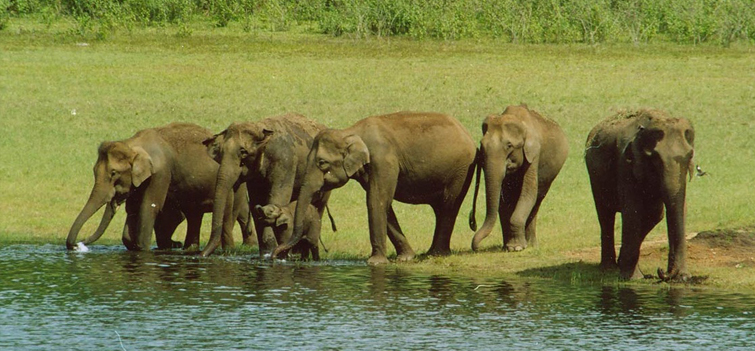
  6. Periyar National Park, Kerala (Best Time to Visit: September to April) Known for its elephant population and dense forests, Periyar is one of India’s most famous ecotourism destinations. Boat rides on Periyar Lake and nature trails provide an unforgettable wildlife experience. Explore Periyar National Park, Kerala

  7. Kodaikanal, Tamil Nadu (Best Time to Visit: November to February) Kodaikanal is known for its cool climate, serene lakes, and scenic viewpoints. The hill station offers eco-friendly activities such as trekking, boating, and exploring lush forests while promoting sustainable tourism practices. Explore Kodaikanal, Tamil Nadu 

  8. Coorg, Karnataka (Best Time to Visit: October to March) Famous for its coffee plantations and verdant landscapes, Coorg offers eco-friendly homestays and nature walks. The region’s commitment to preserving its natural beauty makes it an ideal ecotourism destination. Explore Coorg, Karnataka 

  9. Nagarhole National Park, Karnataka (Best Time to Visit: April to May) Known for its diverse wildlife, including tigers, elephants, and leopards, Nagarhole is a top destination for wildlife safaris and nature tours. Ecotourism in Nagarhole ensures the protection of wildlife and natural habitats. Explore Nagarhole National Park, Karnataka

  10. Bandipur National Park, Karnataka (Best Time to Visit: July to September) Located in the Nilgiri Biosphere Reserve, Bandipur offers ecotourism experiences that highlight conservation. Wildlife safaris and guided tours in the park allow travelers to learn about the region’s ecology. Explore Bandipur National Park, Karnataka 

  11. Galgibaga Beach, Goa (Best Time to Visit: October to March) This lesser-known beach in Goa is a haven for sea turtles and offers an offbeat, eco-friendly beach experience. Visitors can participate in turtle conservation programs while enjoying Goa’s natural beauty. Explore Galgibaga Beach, Goa

  12. Tyda, Andhra Pradesh (Best Time to Visit: October to February) Located in the Eastern Ghats, Tyda offers adventure activities like trekking and wildlife spotting. The eco-tourism initiatives in this area help protect the forests and wildlife while providing a unique travel experience. Explore Tyda, Andhra Pradesh 

  13. Maredumilli, Andhra Pradesh (Best Time to Visit: November to December) Maredumilli is a hidden gem in Andhra Pradesh, surrounded by dense forests, rivers, and waterfalls. The region promotes ecotourism by organizing nature walks and community-based activities. Explore Maredumilli, Andhra Pradesh 

  14. Chilika Lake, Odisha (Best Time to Visit: October to March) Chilika is Asia’s largest brackish water lagoon and an important bird sanctuary. Visitors can engage in birdwatching, boating, and wildlife photography, all while contributing to the preservation of this vital ecosystem. Explore Chilika Lake, Odisha

  15. Sundarbans National Park, West Bengal (Best Time to Visit: October to March) The Sundarbans, a UNESCO World Heritage Site, is known for its mangrove forests and the Royal Bengal Tiger. The park offers boat safaris and guided tours that educate visitors on the importance of preserving this unique ecosystem. Explore Sundarbans National Park, West Bengal

  16. Khangchendzonga Biosphere Reserve, Sikkim (Best Time to Visit: March to May, September to Mid-December) The Khangchendzonga Biosphere Reserve is a haven for trekkers and wildlife enthusiasts. With efforts to promote eco-friendly travel, this reserve offers trekking experiences and a chance to view rare flora and fauna. Explore Khangchendzonga Biosphere Reserve, Sikkim 

  17. Kaziranga National Park, Assam (Best Time to Visit: November to February) Famous for its population of one-horned rhinoceroses, Kaziranga is a prime destination for wildlife enthusiasts. Visitors can enjoy jeep safaris and boat rides while supporting local conservation initiatives. Explore Kaziranga National Park, Assam

  18. Majuli, Assam (Best Time to Visit: October to February) Majuli is the world’s largest river island and offers a peaceful, eco-friendly experience. The island is known for its monasteries and unique culture, with ecotourism programs that promote sustainable travel. Explore Majuli, Assam

  19. Mawlynnong, Meghalaya (Best Time to Visit: June to September) Mawlynnong, often referred to as Asia’s cleanest village, is a model of eco-tourism and sustainability. Visitors can enjoy the village’s lush landscapes and participate in initiatives that promote eco-friendly living. Explore Mawlynnong, Meghalaya

  20. Jotsoma Village in Kohima, Nagaland (Best Time to Visit: October to May) This village in Nagaland offers a unique cultural experience, with local traditions and eco-tourism activities. Visitors can experience the natural beauty of the area while supporting sustainable practices. Explore Namdapha National Park, Arunachal Pradesh

  21. Namdapha National Park, Arunachal Pradesh (Best Time to Visit: October to March) Namdapha National Park is one of the largest protected areas in India and is home to diverse wildlife. Trekking and eco-friendly safaris help visitors explore the park while contributing to its conservation. Explore Namdapha National Park, Arunachal Pradesh

  22. Nanda Devi Biosphere Reserve, Uttarakhand (Best Time to Visit: April to October) Located in the Garhwal Himalayas, this UNESCO World Heritage Site is known for its biodiversity. Ecotourism initiatives in Nanda Devi help preserve its natural landscapes while offering trekking and adventure opportunities. Explore Nanda Devi Biosphere Reserve, Uttarakhand

  23. Great Himalayan National Park, Himachal Pradesh (Best Time to Visit: April to November) A UNESCO World Heritage Site, the Great Himalayan National Park offers trekkers and wildlife enthusiasts a chance to explore pristine landscapes and diverse ecosystems while supporting conservation efforts. Explore Great Himalayan National Park, Himachal Pradesh

  24. Tsomoriri Wetland Conservation Reserve, Ladakh (Best Time to Visit: June to August) Located in the high-altitude desert of Ladakh, Tsomoriri Wetland is a hotspot for migratory birds and unique wildlife. The area offers eco-friendly trekking and nature tours while emphasizing conservation. Explore Tsomoriri Wetland Conservation Reserve, Ladakh 

  25. Ranthambore National Park, Rajasthan (Best Time to Visit: October to March) Ranthambore is one of India’s most famous tiger reserves. Visitors can enjoy eco-friendly safaris while learning about tiger conservation efforts and the region’s rich biodiversity. Explore Ranthambore National Park, Rajasthan

  26. Kanha National Park, Madhya Pradesh (Best Time to Visit: October to March) Known for its efforts in tiger conservation, Kanha offers eco-friendly wildlife safaris and nature trails, allowing visitors to experience the park’s rich flora and fauna while supporting conservation initiatives. Explore Kanha National Park, Madhya Pradesh

  27. Andaman Islands (Best Time to Visit: October to May) The Andaman Islands are a paradise for ecotourism, with pristine beaches, coral reefs, and abundant marine life. Snorkeling and scuba diving are eco-friendly activities that allow travelers to explore the region’s underwater ecosystem. Explore Andaman Islands 

  28. Chail Sanctuary, Solan, Himachal Pradesh (Best Time to Visit: June to September) The Chail Sanctuary offers a peaceful retreat with its wildlife and dense forests. The sanctuary encourages eco-friendly trekking and nature walks while preserving its rich biodiversity. Explore Chail Sanctuary, Solan, Himachal Pradesh

  29. Gorichen Peak, Tawang, Arunachal Pradesh (Best Time to Visit: April to June, September) Known for its challenging trekking routes, Gorichen Peak is a great destination for adventure seekers. The peak’s eco-friendly trekking initiatives aim to preserve its pristine natural beauty. Explore Gorichen Peak, Tawang, Arunachal Pradesh

  30. Mawphlang Sacred Forest, Meghalaya (Best Time to Visit: September to May) This sacred forest is a protected area where the local Khasi community has preserved their cultural and ecological heritage. The forest promotes sustainable tourism practices and offers guided tours to visitors. Explore Mawphlang Sacred Forest, Meghalaya 

  31. Manas National Park, Assam (Best Time to Visit: November to April) Manas National Park is a UNESCO World Heritage Site known for its diverse wildlife and lush landscapes. Visitors can enjoy eco-friendly safaris and nature walks while supporting the park's conservation initiatives. Explore Manas National Park, Assam

  32. Barsey Rhododendron Sanctuary, Soreng, Sikkim (Best Time to Visit: April to May) This sanctuary is famous for its vibrant rhododendron blooms. Ecotourism activities include nature walks and trekking, all focused on preserving the region’s unique flora and fauna. Explore Explore Barsey Rhododendron Sanctuary, Soreng, Sikkim

Activities Promoting Ecotourism in India

  • Wildlife Safaris: Experience wildlife safaris in national parks and sanctuaries, promoting the conservation of endangered species.

  • Nature Walks and Trekking: Sustainable trekking and hiking activities in protected forests allow travelers to connect with nature.

  • Community-Based Tourism: Eco-friendly homestays and eco-lodges hosted by local communities offer a unique experience and promote community empowerment.

  • Birdwatching: Popular in many protected areas, birdwatching supports bird conservation and fosters a deeper understanding of ecosystems.

  • Sustainable Accommodation: Eco-lodges and resorts that prioritize sustainable practices ensure a minimal environmental footprint for eco-conscious travelers.

Conclusion

India is a treasure trove of ecotourism destinations that allow travelers to connect with nature in meaningful and sustainable ways. From the serene backwaters of Kerala to the Himalayan peaks of Uttarakhand, the diverse landscapes of India offer endless possibilities for eco-conscious travelers. By choosing to visit these eco-friendly destinations, you contribute to preserving the environment and supporting local communities. So, embark on a journey of discovery and conservation, and explore India’s best ecotourism spots for an unforgettable, sustainable travel experience.

Popular Posts