Showing posts with label eco-friendly safaris. Show all posts

Manas National Park: A Must-Visit Destination for Wildlife Lovers and Eco-Tourists

Tucked away in the serene state of Assam, Manas National Park stands as one of India’s most treasured natural reserves. Known for its rich biodiversity, lush landscapes, and wildlife conservation efforts, this UNESCO World Heritage Site offers an exceptional experience for nature lovers and eco-tourists alike. Spread across the foothills of the Himalayas, Manas National Park is a sanctuary for some of the rarest species of flora and fauna, making it an ideal destination for wildlife enthusiasts and eco-conscious travelers.

With its lush green forests, winding rivers, and diverse wildlife, the park provides the perfect setting for eco-friendly safaris, nature walks, and photography. By visiting Manas National Park, you can immerse yourself in the beauty of nature while supporting its conservation initiatives.
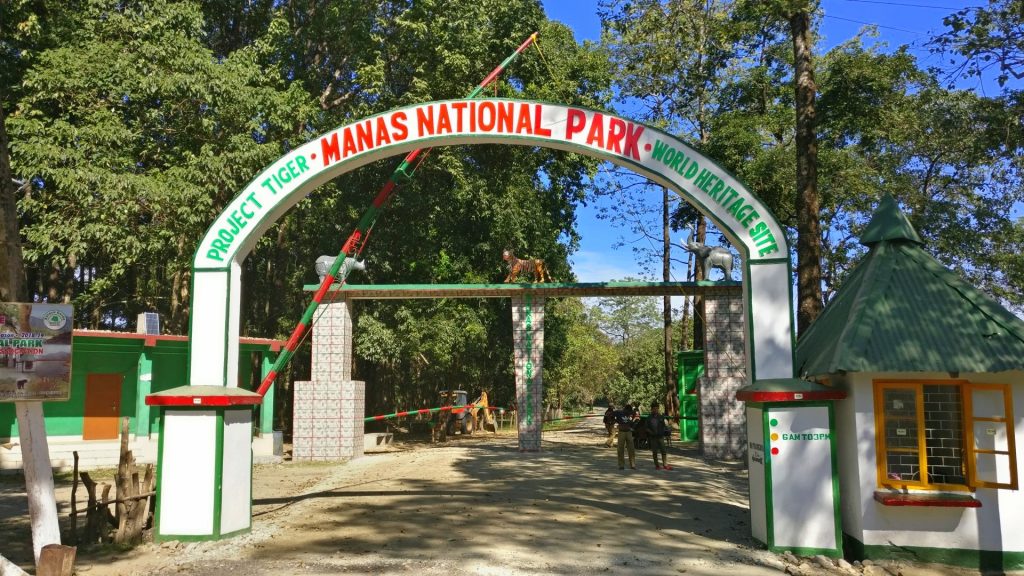
Why Visit Manas National Park?

  • UNESCO World Heritage Site: Manas National Park is recognized as a UNESCO World Heritage Site for its outstanding natural beauty and ecological importance. It is one of India’s finest examples of the country’s diverse ecosystems.

  • Diverse Wildlife: The park is home to a variety of rare and endangered species, including the one-horned rhinoceros, tigers, elephants, bison, and wild buffaloes. The lush grasslands and riverine ecosystems make it an ideal habitat for these species.

  • Birdwatcher’s Paradise: Manas is a haven for birdwatching enthusiasts, with over 500 species of birds, including the golden langur, greater adjutant stork, and Pallas’s fish eagle. The park offers exceptional opportunities for both amateur and professional bird photographers.

  • Eco-Friendly Safaris: Visitors can explore the park’s diverse ecosystems through eco-friendly safaris. These safaris are designed to minimize the impact on the environment while offering an unforgettable experience to explore the park's wildlife and natural beauty.

  • Guided Nature Walks: To make the most of your visit, guided nature walks are available, where you can learn about the flora, fauna, and ecology of the park from experienced guides. These walks are a great way to experience the park’s biodiversity up close.

  • Scenic Landscapes: The park’s landscapes are a mix of grasslands, wetlands, and subtropical forests, providing picturesque views and opportunities for nature photography. It’s a perfect destination for anyone who enjoys peaceful moments in the heart of nature.

Best Time to Visit Manas National Park

The best time to visit Manas National Park is from November to April, when the weather is dry, and the park is easily accessible for safaris and nature walks. During these months, the park experiences moderate temperatures, making it ideal for outdoor activities.

The monsoon season (May to October) brings heavy rains, and the park often closes during this time due to the high water levels in the rivers and the increased risk of flooding. Visiting during the dry season ensures better wildlife sightings and more comfortable conditions for exploring.

Top FAQ’s about Manas National Park

  1. Why is Manas National Park a UNESCO World Heritage Site? Manas National Park has been designated a UNESCO World Heritage Site due to its unique biodiversity, ecological importance, and the fact that it is home to several endangered species. The park's conservation efforts and diverse landscapes also contribute to its recognition.

  2. What wildlife can I expect to see at Manas National Park? Manas is home to several iconic species, including the one-horned rhinoceros, tigers, elephants, bison, and wild buffaloes. The park also has a rich variety of birds, including the golden langur and the greater adjutant stork.

  3. When is the best time to visit Manas National Park? The best time to visit is from November to April, when the weather is pleasant for safaris and nature walks. The park is typically closed during the monsoon season from May to October due to heavy rainfall.

  4. How can I reach Manas National Park? The nearest airport to Manas National Park is Lokpriya Gopinath Bordoloi International Airport in Guwahati (about 176 km away). From there, you can hire a taxi or take a bus to the park. The nearest railway station is in Barpeta Road, located around 20 km from the park.

  5. Are eco-friendly safaris available at Manas National Park? Yes, eco-friendly safaris are available, offering a sustainable way to explore the park’s diverse wildlife. These safaris ensure minimal environmental impact and are designed to provide an educational experience about the park’s conservation efforts.

  6. Can I explore Manas National Park on foot? Yes, guided nature walks are available for visitors who want to experience the park on foot. These walks provide an opportunity to observe wildlife and plant species up close, while also learning about the park’s ecology.

  7. Is it safe to visit Manas National Park? Yes, Manas National Park is generally considered safe for tourists. It is advisable to visit with a licensed guide to ensure safety during your visit and to learn more about the wildlife and ecosystems.

  8. What are the accommodation options in Manas National Park? There are various accommodation options near the park, ranging from eco-resorts to guesthouses and forest lodges. Many of these accommodations focus on sustainable tourism and provide a comfortable stay with a focus on nature.

Conclusion

Manas National Park in Assam is an exceptional destination for wildlife lovers and eco-tourists. Its UNESCO World Heritage status, rich biodiversity, and commitment to eco-friendly tourism make it a must-visit destination for anyone interested in experiencing the natural beauty and wildlife of India. Whether you're looking for exciting safaris, birdwatching, or a chance to connect with nature, Manas National Park has something for everyone. The best time to visit is between November and April, when the park is most accessible, and the weather is ideal for outdoor exploration. By visiting this incredible park, you are not only enjoying a memorable adventure but also supporting the ongoing conservation efforts that help preserve one of India’s most precious natural gems.

Kanha National Park: The Ultimate Ecotourism Experience in Madhya Pradesh

If you're a wildlife enthusiast or an eco-tourist seeking to experience India’s incredible natural beauty, Kanha National Park in Madhya Pradesh is the perfect destination. Famed for its tiger conservation efforts, this park offers visitors a chance to explore its diverse ecosystems while supporting important conservation initiatives. With eco-friendly safaris and nature trails, Kanha is one of India’s leading ecotourism hotspots that combines wildlife adventure with sustainability.

Why Visit Kanha National Park?

  • Tiger Conservation Efforts: Kanha National Park is renowned for its significant contribution to the conservation of the Bengal tiger. Visitors have the rare opportunity to witness these majestic creatures in their natural habitat, making it a prime destination for tiger enthusiasts. The park’s ongoing conservation efforts ensure that tigers and other wildlife thrive here.

  • Rich Flora and Fauna: Kanha is home to a rich array of wildlife, including leopards, wild boar, Indian bison, sloth bears, and over 300 species of birds. The park is also known for its varied plant life, including lush forests, grasslands, and wetlands, making it a natural paradise for nature lovers.

  • Eco-friendly Wildlife Safaris: One of the highlights of Kanha National Park is its eco-friendly safaris. Visitors can embark on thrilling jeep safaris or guided nature walks, which offer a chance to explore the park's vibrant ecosystems while promoting environmental awareness. The safaris are designed to minimize human impact on the park’s delicate ecosystem, giving you a sustainable yet adventurous way to experience its wildlife.

  • Scenic Beauty: Kanha’s landscapes are a mix of beautiful sal forests, meadows, and bamboo groves, creating a stunning backdrop for safaris. The natural beauty of the park is truly mesmerizing, and its tranquil environment provides a perfect escape from the hustle and bustle of city life.

Best Time to Visit Kanha National Park

The best time to visit Kanha National Park is between October and March. During these months, the weather is cooler and more comfortable, making it ideal for safaris and nature walks. The park remains open during this period, and wildlife sightings are more frequent, especially as animals gather around water sources. The cooler temperatures also enhance the overall safari experience, ensuring that you get the most out of your visit.

Top FAQ’s about Kanha National Park

  1. What is the best time to visit Kanha National Park? The ideal time to visit Kanha is between October and March when the weather is cooler, and wildlife sightings are more frequent.

  2. How can I reach Kanha National Park? The nearest airport to Kanha is in Jabalpur (about 170 km away), and the closest railway station is Jabalpur Railway Station. From there, you can hire a taxi or take a bus to reach the park.

  3. Are safaris available in Kanha National Park? Yes, Kanha offers jeep safaris and nature trails, allowing visitors to explore the park’s diverse wildlife and scenic landscapes. These safaris are eco-friendly and guided by experienced naturalists.

  4. What wildlife can I expect to see at Kanha National Park? Apart from tigers, Kanha is home to a variety of wildlife, including leopards, sloth bears, wild boars, Indian bison, and barasingha (swamp deer), as well as over 300 species of birds.

  5. Is Kanha suitable for family visits? Yes! Kanha is a family-friendly destination, offering safaris and nature walks that are suitable for all ages. Kids will also enjoy learning about wildlife conservation efforts.

  6. How long should I plan my visit to Kanha? A visit to Kanha National Park typically lasts 2-3 days, allowing enough time for multiple safaris and to fully explore the park’s various attractions.

Conclusion

Kanha National Park in Madhya Pradesh is not only a haven for wildlife enthusiasts but also an incredible ecotourism destination that promotes sustainable travel. With its exceptional efforts in tiger conservation, diverse wildlife, and breathtaking landscapes, Kanha offers an unforgettable experience for those seeking to connect with nature. Whether you're interested in a thrilling safari adventure, a peaceful nature walk, or simply enjoying the beauty of the biodiversity, Kanha National Park is a must-visit destination. Be sure to plan your visit during the best season, from October to March, to make the most of your wildlife adventure.

Conclusion

With its focus on eco-friendly tourism and conservation, Kanha National Park is a perfect example of how nature and tourism can go hand-in-hand. Its stunning wildlife, beautiful landscapes, and dedication to sustainability make it one of India's premier ecotourism destinations. Don’t miss out on experiencing the charm and magnificence of Kanha on your next adventure!

Namdapha National Park: The Ultimate Ecotourism Destination in Arunachal Pradesh

Namdapha National Park, located in the northeastern state of Arunachal Pradesh, stands as one of India’s largest and most biologically diverse protected areas. The park covers an impressive 1,985 square kilometers and is a haven for nature lovers, wildlife enthusiasts, and eco-tourists seeking an immersive experience in nature. Boasting diverse landscapes from lush rainforests to snow-capped peaks, Namdapha is home to a rich variety of flora and fauna, making it a paradise for wildlife photographers, trekkers, and ecotourism advocates.

Why Visit Namdapha National Park?

Namdapha National Park is one of the most biologically rich ecosystems in India. The park's diverse habitats support a wide range of animal species, including the rare snow leopard, Bengal tiger, and the clouded leopard. It is also home to over 425 species of birds, making it a birdwatcher’s dream. The park is an excellent destination for trekkers, offering several trails ranging from easy walks to challenging multi-day treks that provide stunning views of the surrounding landscape. Visitors can also enjoy eco-friendly safaris that allow them to witness the park’s wildlife in a responsible, sustainable manner.

In addition to wildlife, the park is a nature lover’s paradise. Visitors can explore the rich biodiversity of the rainforest, trek through misty hills, and enjoy the serenity of crystal-clear streams. The area’s remote location ensures that it remains relatively undisturbed, making it perfect for those looking for a peaceful retreat in the heart of nature.

Best Time to Visit Namdapha National Park

The best time to visit Namdapha National Park is from October to March, when the weather is cooler, and the park’s trails are more accessible. This period offers pleasant weather conditions for trekking and wildlife safaris, with minimal rainfall. The cooler months also increase the likelihood of spotting various wildlife species as they become more active.

Trekking and Eco-Friendly Safaris

For adventurous travelers, Namdapha offers a range of trekking opportunities. Whether you are a novice or an experienced trekker, the trails offer varying levels of difficulty and diverse landscapes. Guided treks are available to help visitors safely explore the park’s stunning natural beauty, learn about its flora and fauna, and contribute to its conservation efforts.

Additionally, eco-friendly safaris provide a responsible way to enjoy the park’s wildlife without disturbing the natural balance. These safaris are an excellent way to witness rare species like the red panda, tigers, and Himalayan black bears in their natural habitat. These eco-tours promote sustainable tourism and help preserve the park's fragile ecosystem.

Ecotourism and Conservation

Namdapha National Park is not just a popular travel destination; it is also a model for ecotourism in India. The park’s commitment to sustainable practices ensures that tourism does not negatively impact the environment or wildlife. By promoting eco-friendly activities such as trekking and wildlife safaris, the park helps raise awareness about conservation while allowing visitors to experience nature firsthand.

Top FAQs About Namdapha National Park

1. What is the best time to visit Namdapha National Park? The best time to visit is from October to March, as the weather is ideal for trekking and safaris.

2. How do I get to Namdapha National Park? The nearest airport is in Dibrugarh, Assam, about 150 km away. The nearest railway station is in Tinsukia, Assam. From there, you can hire a taxi or take a bus to the park.

3. What kind of wildlife can I see at Namdapha National Park? You can spot rare species like the snow leopard, clouded leopard, Bengal tiger, red panda, and over 425 species of birds.

4. Are there trekking options available in the park? Yes, Namdapha offers several trekking routes suitable for beginners as well as experienced trekkers, with guides available for a more in-depth experience.

5. How can I book an eco-friendly safari at Namdapha? You can book safaris through the Arunachal Pradesh Tourism website or local tour operators specializing in eco-tourism.

6. Is Namdapha safe for tourists? Yes, Namdapha is a safe destination for tourists, though it’s recommended to travel with a guide, especially if trekking or going on a safari.

Conclusion

Namdapha National Park in Arunachal Pradesh is an ecotourism gem, offering everything from thrilling treks to serene wildlife safaris in one of India’s most biodiverse regions. With its diverse flora and fauna, pristine landscapes, and commitment to sustainable tourism, it is the perfect destination for those seeking adventure, peace, and a deeper connection with nature. Whether you're an avid trekker, a wildlife enthusiast, or simply looking for a tranquil escape, Namdapha National Park promises to offer an unforgettable experience. So pack your bags, respect nature, and set out to discover this hidden treasure in Arunachal Pradesh!

Popular Posts